What causes power steering failure in the 2018 Bolt EV, and how to address it?
Common Causes of Power Steering Failure in the 2018 Bolt EV Electrical Problems: The Chevrolet Bolt EV features an electric power steering system that is dependent on a network of sensors and electri…
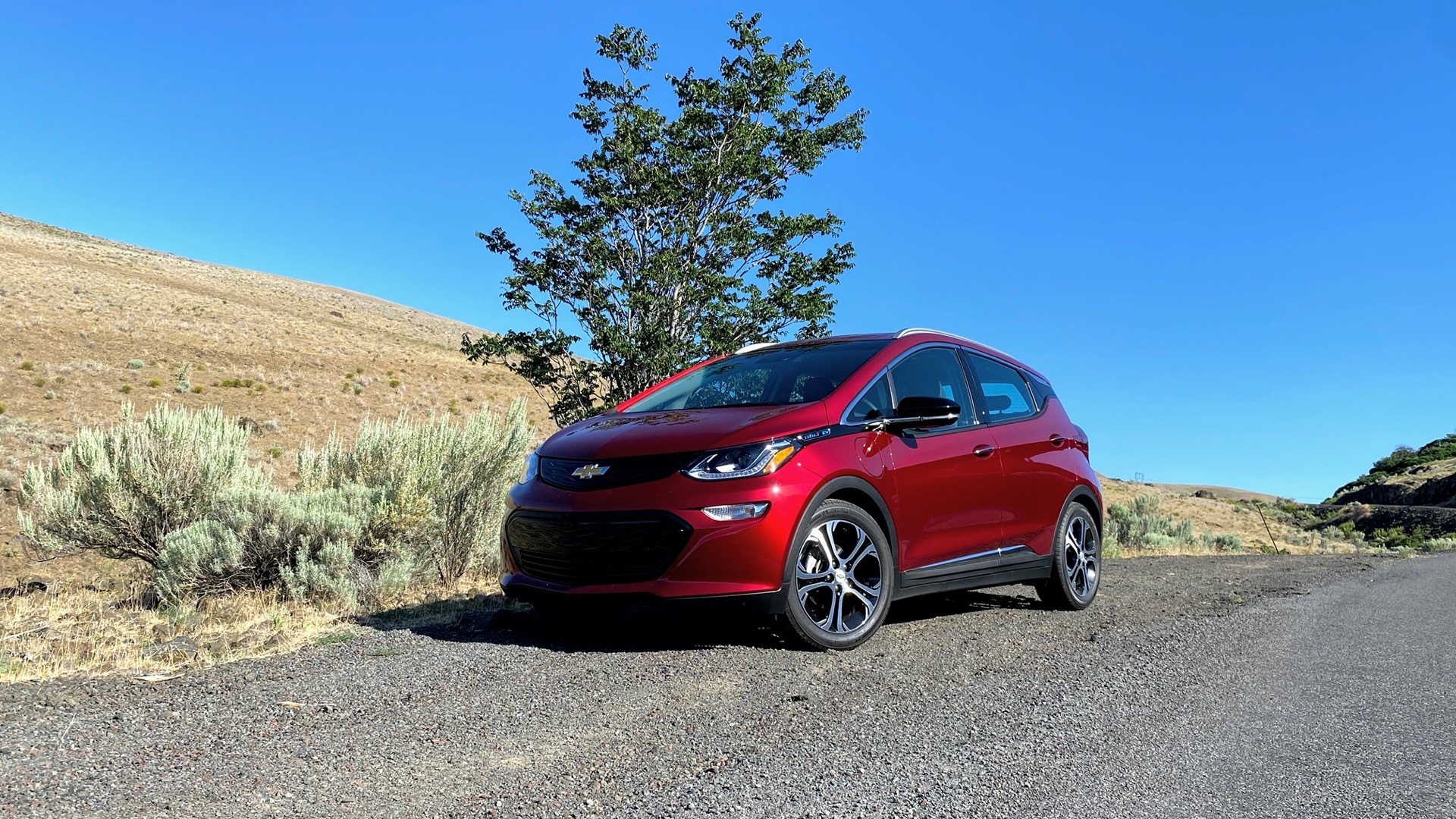
Common Causes of Power Steering Failure in the 2018 Bolt EV
Electrical Problems:
The Chevrolet Bolt EV features an electric power steering system that is dependent on a network of sensors and electric motors. Any interruption in the electrical supply or failure of the sensors could result in a power steering failure.
Join the AutoFame community. Become a member for free, add your car to the garage and tell its story. Join AutoFame.
Software Issues:
Like many modern vehicles, the Bolt EV relies on software to manage its electronic systems. A bug or issue in the software could potentially affect the functionality of the power steering.
Component Malfunction:
If there is a defect in any of the components involved in the power steering system such as the power steering motor, it can lead to failure. Wear and tear or manufacturing defects may also contribute to these issues.
Battery Problems:
Since the power steering is electrically assisted, any issues with the vehicle's battery, such as low voltage, can adversely affect the system's performance.
Wiring and Connector Problems:
Faulty wiring or loose connectors can lead to intermittent power supply issues, impacting the operation of the power steering system.
How to Address Power Steering Failure in the 2018 Bolt EV
Check for Recalls:
It is prudent to check if there have been any recalls reported by Chevrolet for the 2018 Bolt EV concerning power steering issues. If a recall is noted, take the vehicle to an authorized service center for inspection and repair.
Diagnose Electrical and Software Issues:
Have a certified technician perform a diagnostic test using appropriate diagnostic tools to check for error codes related to the power steering system. This will help identify if there is an electronic or software bug causing the failure.
Inspect and Repair Components:
If the malfunction is due to faulty components such as the steering motor or sensors, these parts may need to be repaired or replaced to restore proper power steering function.
Battery and Charging System Check:
Ensure that the vehicle’s battery is fully charged and in good working condition. Consider a full health check of the electrical system, including the alternator, to ensure proper voltage levels are maintained.
Check Wiring and Connectors:
Inspect the wiring and connectors within the power steering system. Any damaged wires or connectors should be repaired or replaced, and loose connections should be secured.
Software Updates:
Occasionally, manufacturers release software updates to correct known issues. It can be beneficial to have the vehicle's software updated to the latest version to ensure all known bugs are addressed.
Regular Maintenance:
Regular check-ups and maintenance at an authorized Chevrolet service center can help prevent excessive wear and ensure that any developing issues are addressed promptly.
Have a car with a story like this? Become an AutoFame member and share it with people who love cars as much as you do.
By addressing these potential causes and following these steps, you can effectively diagnose and rectify power steering issues in the 2018 Chevrolet Bolt EV.
About AutoFame
AutoFame is a home for people who love cars and the stories behind them. Every car on a show field or in a garage has a history: who built it, who saved it, the road trips, the late nights in the shop and the people who helped along the way. AutoFame gives those stories a place to live, so they are not lost when the hood closes or the car changes hands.
Membership is free. Once you join, you can add your car to your own AutoFame garage with photos, specs and the story only you can tell. Restorations, survivors, daily drivers, race cars and family heirlooms all belong here. Other members can find your car, follow its progress and connect with you over the details that matter to car people.
Beyond member garages, AutoFame publishes stories, guides and features on the cars, builders and history that shape car culture. You will find buying and restoration guides, car parts explainers, special editions, the newest models and the classics that started it all. The AutoFame Gallery puts member cars on display for anyone to browse, and the AutoFame YouTube channel adds owner interviews, show highlights and the conversations that happen around a good car.
AutoFame is also built for the people who run car shows. Organizers use it to manage entries and judging, and judges score each car category by category on their phones, with a written guide for every category so nothing gets skipped. After a judged show, owners can see what their car was scored on and how it compared. Shows across the Texas Gulf Coast have run on AutoFame, including the Moody Gardens Car Show in Galveston, Good Grub and Gears, and Keels and Wheels at Lakewood Yacht Club.
AutoFame was founded by Kevin Brady, whose own life in cars began long before he started building tools for the hobby. The idea is simple: the people who love these cars should have one place to share them, learn from each other and keep the stories going.
Whether you own a show winner, a project that is still in pieces or simply love reading about great cars, there is room for you here.
Be part of the AutoFame community. Join free and become a member today.