What are the signs of drive unit failure in the 2013 Tesla Model S, and what are the recommended fixes?
Signs of Drive Unit Failure in the 2013 Tesla Model S Unusual Noise Humming or Whining : A high-pitched humming or whining noise when accelerating or decelerating can indicate bearing wear within the…
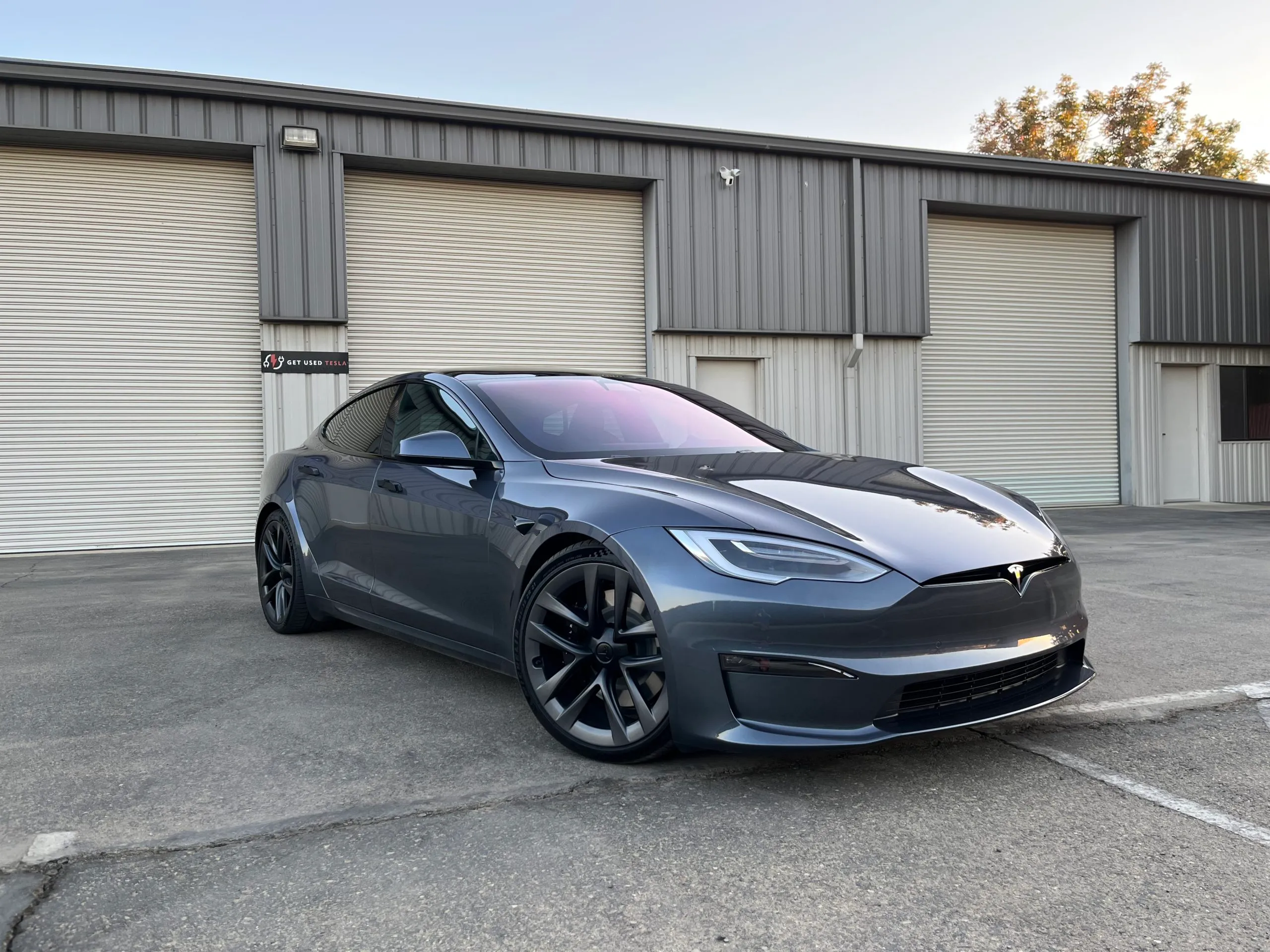
Signs of Drive Unit Failure in the 2013 Tesla Model S
Unusual Noise
- Humming or Whining: A high-pitched humming or whining noise when accelerating or decelerating can indicate bearing wear within the drive unit.
- Clunking or Thumping: Sudden clunking or thumping sounds may suggest issues with the drive unit’s gears or components.
Vibration or Shuddering
- Acceleration Issues: If the car vibrates or shudders during acceleration, it may point to problems within the drive unit.
- Consistent Shaking: Continuous shaking while driving, especially at higher speeds, can be a sign of drive unit trouble.
Loss of Power or Performance
- Reduced Acceleration: Noticeable decrease in the vehicle's acceleration capabilities can be indicative of drive unit failure.
- Driving Restriction: Alerts such as “Drive system requires service” or significant loss of power might appear on the dashboard.
Fluid Leaks
- Leaking Fluid: Any sightings of fluid leaks under the vehicle could suggest a compromised drive unit seal.
- Inspect for Stains: It’s a good practice to inspect regularly under the vehicle for any suspicious fluid stains.
Check Engine or Warning Lights
- Dashboard Alerts: A “Check Engine” light or other warning indicators on the dashboard might signal drive unit issues.
- Diagnostic Codes: Professional diagnosis may reveal fault codes related to the drive unit.
Recommended Fixes
Professional Diagnosis and Repair
- Visit Authorized Service Center: Taking the vehicle to a Tesla-authorized service center for a thorough diagnosis is essential. They have specialized tools and trained technicians to accurately address drive unit problems.
Software Updates
- Check for Updates: Software updates can sometimes rectify minor drive unit issues or improve performance. Ensure your vehicle's software is up-to-date.
Replacement of Affected Components
- Bearings and Gears: Worn-out bearings and gears within the drive unit may need replacement.
- Seals and Fluids: If leaks are detected, replacing seals and refilling fluids might be necessary.
Full Drive Unit Replacement
- Significant Failures: In cases of severe damage, a full drive unit replacement might be required. It's best performed by Tesla service centers or highly qualified repair shops.