What are common issues with the CVT in the 2020 Nissan Rogue, and how can they be addressed?
Common Issues with the CVT in the 2020 Nissan Rogue 1. Overheating The 2020 Nissan Rogue's CVT can sometimes overheat, particularly during long drives or in hot weather conditions. This can lead to t…
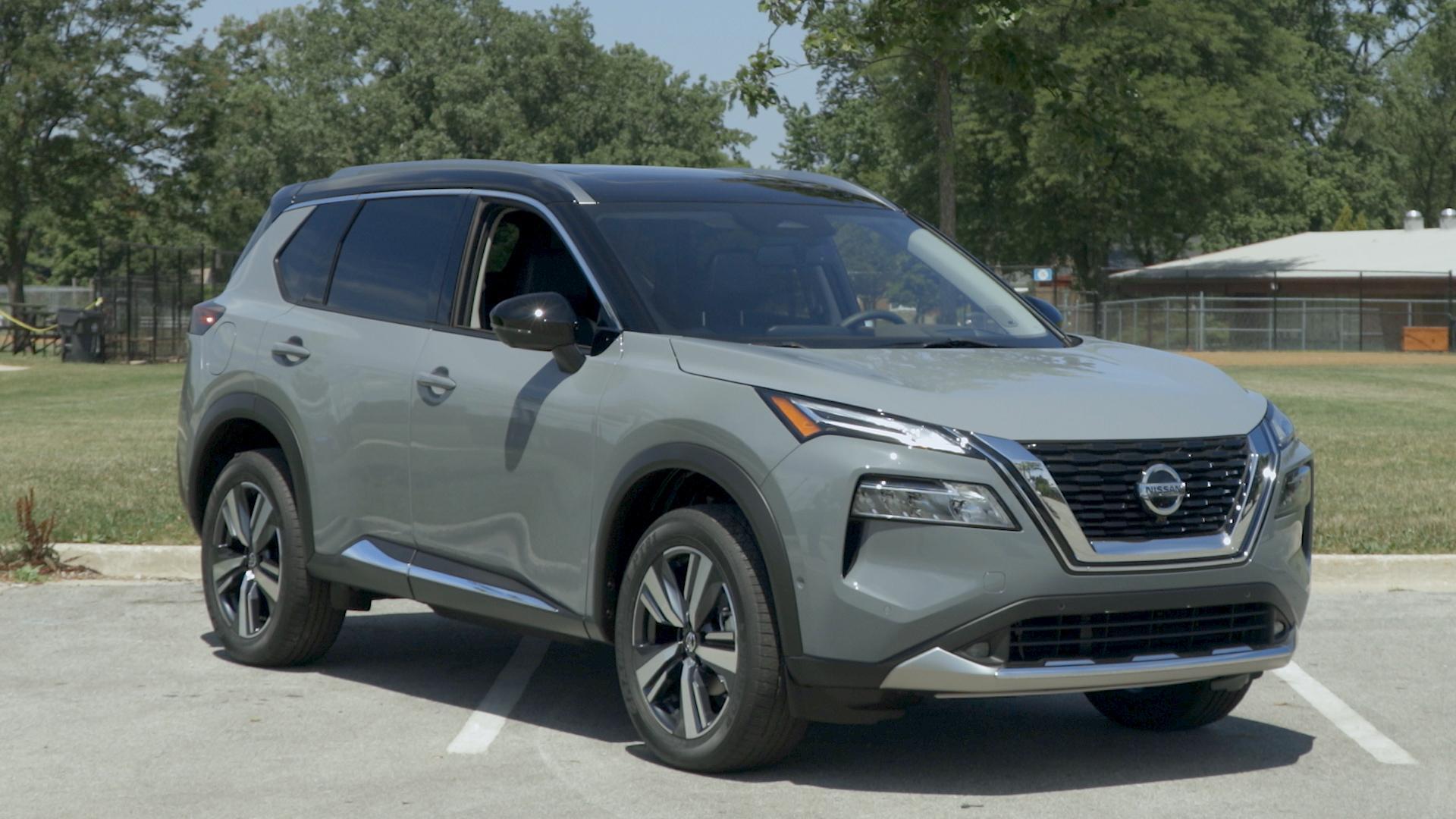
Common Issues with the CVT in the 2020 Nissan Rogue
1. Overheating
The 2020 Nissan Rogue's CVT can sometimes overheat, particularly during long drives or in hot weather conditions. This can lead to the transmission slipping or entering "limp mode," which reduces the vehicle's power to prevent damage.
How to Address:
- Install an aftermarket transmission cooler to help manage the temperature.
- Regularly check and maintain the appropriate levels of transmission fluid.
- Monitor driving habits to avoid prolonged periods of high RPMs.
2. Shuddering and Vibration
Owners have reported shuddering and vibrations during acceleration, which can be a symptom of belt and pulley issues within the CVT.
How to Address:
- Have the transmission inspected and serviced by a certified Nissan technician.
- If under warranty, Nissan may replace the faulty CVT components.
- Consider using high-quality transmission additives that can reduce friction and wear.
3. Fluid Leaks
CVT fluid leaks are another common issue that can lead to more severe transmission problems if not promptly addressed.
How to Address:
- Frequently check underneath the vehicle for signs of fluid leaks.
- Ensure the transmission seals and gaskets are inspected and replaced if necessary during routine maintenance.
- Top off any lost transmission fluid, using the type specified by Nissan.
4. Transmission Software Issues
Some owners experience issues that can be attributed to software problems, such as delayed shifting or the feeling of being "stuck" in a gear.
How to Address:
- Have the vehicle's software updated by the dealership to the latest version.
- Perform a "hard reset" by disconnecting the battery for a few minutes and then reconnecting it, forcing the system to reboot.
5. Noise Issues
Abnormal noises such as whining or clunking can sometimes be heard from the CVT, indicating potential mechanical problems.
How to Address:
- Ensure regular CVT maintenance is performed to catch early signs of wear.
- When abnormal noises are detected, immediately consult a certified mechanic for a thorough diagnostic check.
- Use quality CVT fluid as per the vehicle’s specifications.