What are common issues with the 2020 Toyota Tundra’s TRD Pro suspension, and how can they be resolved?
Common Issues with the 2020 Toyota Tundra TRD Pro Suspension 1. Stiff Ride Quality Many Tundra TRD Pro owners report that the suspension system provides a rather stiff ride, which can be uncomfortabl…
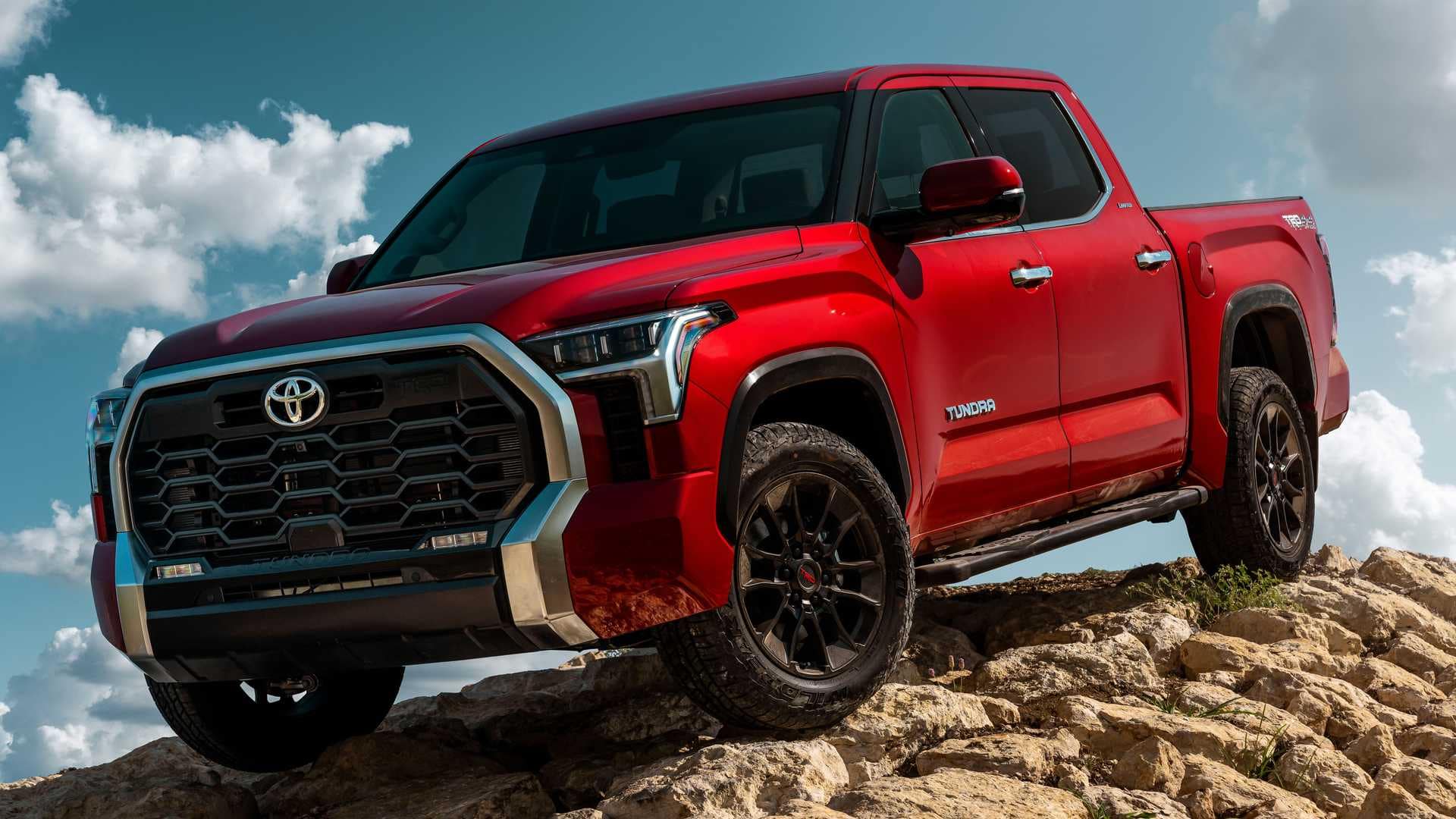
Common Issues with the 2020 Toyota Tundra TRD Pro Suspension
1. Stiff Ride Quality
Many Tundra TRD Pro owners report that the suspension system provides a rather stiff ride, which can be uncomfortable on rough terrains.
**Resolution:** Consider replacing stock shock absorbers with aftermarket options that offer adjustable damping settings. This adjustment allows you to fine-tune the suspension stiffness to your liking.
Join the AutoFame community. Become a member for free, add your car to the garage and tell its story. Join AutoFame.
2. Bottoming Out
Another issue is the suspension bottoming out when carrying heavy loads or during off-road adventures.
**Resolution:** Upgrading to heavy-duty leaf springs or adding air suspension systems can help in distributing the weight more effectively and preventing the suspension from bottoming out.
3. Lack of Flexibility
The stock TRD Pro suspension may not offer the best articulation and wheel travel for hardcore off-roading.
**Resolution:** Installing aftermarket control arms and long-travel suspension kits can significantly increase wheel travel and articulation, thereby enhancing off-road performance.
4. Suspension Noise
Hearing strange noises from the suspension, such as clinking or rattling, can be a common issue.
**Resolution:** Regularly inspect bushings, bolts, and other suspension components to ensure they are securely tightened. Replacing worn-out bushings with polyurethane alternatives can also help reduce suspension noise.
5. Uneven Tire Wear
Some Tundra TRD Pro owners experience uneven tire wear, often due to improper alignment or worn suspension components.
**Resolution:** Ensure regular alignment checks and balance your tires frequently. Replacing worn-out ball joints, tie rods, or other suspension elements is crucial in maintaining even tire wear.
6. High Center of Gravity
A higher center of gravity could negatively affect the vehicle's stability, particularly during high-speed turns.
**Resolution:** Lowering the truck with a drop kit can help to stabilize the vehicle. Additionally, upgrading to wider tires can improve grip and stability.
7. Limited Customization Options
The stock suspension may not meet all customization needs for Tundra enthusiasts.
**Resolution:** Explore aftermarket suspension systems that offer a variety of customization options such as adjustable coil-overs, different spring rates, and enhanced damping capabilities for specific driving needs.
Ensuring meticulous attention to these common issues and applying the suggested resolutions can significantly improve the driving experience and longevity of the Toyota Tundra TRD Pro's suspension system.
Have a car with a story like this? Become an AutoFame member and share it with people who love cars as much as you do.
About AutoFame
AutoFame is a home for people who love cars and the stories behind them. Every car on a show field or in a garage has a history: who built it, who saved it, the road trips, the late nights in the shop and the people who helped along the way. AutoFame gives those stories a place to live, so they are not lost when the hood closes or the car changes hands.
Membership is free. Once you join, you can add your car to your own AutoFame garage with photos, specs and the story only you can tell. Restorations, survivors, daily drivers, race cars and family heirlooms all belong here. Other members can find your car, follow its progress and connect with you over the details that matter to car people.
Beyond member garages, AutoFame publishes stories, guides and features on the cars, builders and history that shape car culture. You will find buying and restoration guides, car parts explainers, special editions, the newest models and the classics that started it all. The AutoFame Gallery puts member cars on display for anyone to browse, and the AutoFame YouTube channel adds owner interviews, show highlights and the conversations that happen around a good car.
AutoFame is also built for the people who run car shows. Organizers use it to manage entries and judging, and judges score each car category by category on their phones, with a written guide for every category so nothing gets skipped. After a judged show, owners can see what their car was scored on and how it compared. Shows across the Texas Gulf Coast have run on AutoFame, including the Moody Gardens Car Show in Galveston, Good Grub and Gears, and Keels and Wheels at Lakewood Yacht Club.
AutoFame was founded by Kevin Brady, whose own life in cars began long before he started building tools for the hobby. The idea is simple: the people who love these cars should have one place to share them, learn from each other and keep the stories going.
Whether you own a show winner, a project that is still in pieces or simply love reading about great cars, there is room for you here.
Be part of the AutoFame community. Join free and become a member today.