What are common issues with the 2020 Ram 1500’s eTorque mild hybrid system, and how can they be resolved?
Common Issues with the 2020 Ram 1500's eTorque Mild Hybrid System The 2020 Ram 1500’s eTorque mild hybrid system has been reported to have several common issues. Here is a detailed look at some of th…
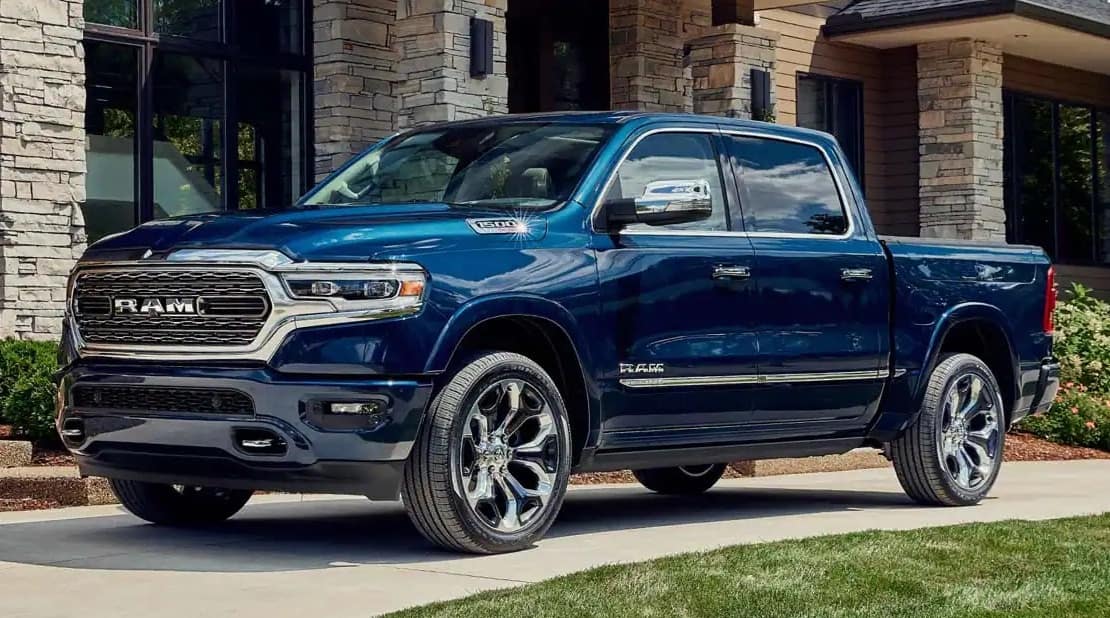
Common Issues with the 2020 Ram 1500's eTorque Mild Hybrid System
The 2020 Ram 1500’s eTorque mild hybrid system has been reported to have several common issues. Here is a detailed look at some of these issues and potential solutions:
Join the AutoFame community. Become a member for free, add your car to the garage and tell its story. Join AutoFame.
1. Battery-related Problems
A frequent problem with the eTorque system is battery-related issues. The system uses a 48-volt battery to provide additional torque and to power various components. Commonly reported problems include:
Battery draining quickly
Battery not holding a charge
Battery overheating
Solution: Diagnosing battery issues often starts with checking the battery’s health and charge status using a dedicated diagnostic tool. Replacing the battery may be necessary if it fails to hold a charge. Regular maintenance and ensuring that the charging system is functioning correctly can help prevent further battery issues.
2. Faulty Electrical Components
The eTorque system is heavily reliant on various electrical components and sensors. Problems with these components can lead to the system not functioning properly. Symptoms include warning lights on the dashboard and irregular or non-functional hybrid assist.
Solution: A thorough electrical diagnostic should be conducted to identify any malfunctioning sensors or electrical components. Replacing faulty parts and ensuring good electrical connections are vital steps. Regular inspections of the wiring harness and connections can also help avoid electrical issues.
3. Software Glitches
Software issues within the eTorque system’s control module are also common. These glitches can cause erratic system behavior, including failure to engage the hybrid assist or unexpected warning messages.
Solution: Updating the software of the vehicle’s electronic control module (ECM) to the latest version can resolve many of these issues. In some cases, reprogramming or resetting the system can clear minor software glitches. It is advisable to have these updates performed by a qualified technician at a dealership.
4. Cooling System Issues
Proper cooling of the eTorque system is crucial for its optimal performance. Overheating can lead to system failures and reduce the lifespan of various components.
Solution: Regularly checking and maintaining the cooling system, including coolant levels and the condition of hoses and radiators, is essential. Ensure that the hybrid cooling system is functioning properly and that there are no leaks or blockages. Professional servicing can help detect and resolve any cooling-related problems.
5. Belt and Pulley Issues
The eTorque system uses a belt to connect the motor generator unit to the engine. Over time, the belt and pulleys can wear out or become misaligned, leading to performance issues.
Solution: Regular inspection and maintenance of the belt and pulley system are important to prevent wear and ensure proper alignment. Replacing worn-out belts and pulleys can prevent more significant issues and maintain system efficiency.
Have a car with a story like this? Become an AutoFame member and share it with people who love cars as much as you do.
In conclusion, while the 2020 Ram 1500’s eTorque mild hybrid system offers enhanced performance and efficiency, it is not without its issues. Regular maintenance and timely intervention can resolve most common problems, ensuring the system remains reliable and functional. Consulting with a certified Ram technician for any persistent issues is always recommended.
About AutoFame
AutoFame is a home for people who love cars and the stories behind them. Every car on a show field or in a garage has a history: who built it, who saved it, the road trips, the late nights in the shop and the people who helped along the way. AutoFame gives those stories a place to live, so they are not lost when the hood closes or the car changes hands.
Membership is free. Once you join, you can add your car to your own AutoFame garage with photos, specs and the story only you can tell. Restorations, survivors, daily drivers, race cars and family heirlooms all belong here. Other members can find your car, follow its progress and connect with you over the details that matter to car people.
Beyond member garages, AutoFame publishes stories, guides and features on the cars, builders and history that shape car culture. You will find buying and restoration guides, car parts explainers, special editions, the newest models and the classics that started it all. The AutoFame Gallery puts member cars on display for anyone to browse, and the AutoFame YouTube channel adds owner interviews, show highlights and the conversations that happen around a good car.
AutoFame is also built for the people who run car shows. Organizers use it to manage entries and judging, and judges score each car category by category on their phones, with a written guide for every category so nothing gets skipped. After a judged show, owners can see what their car was scored on and how it compared. Shows across the Texas Gulf Coast have run on AutoFame, including the Moody Gardens Car Show in Galveston, Good Grub and Gears, and Keels and Wheels at Lakewood Yacht Club.
AutoFame was founded by Kevin Brady, whose own life in cars began long before he started building tools for the hobby. The idea is simple: the people who love these cars should have one place to share them, learn from each other and keep the stories going.
Whether you own a show winner, a project that is still in pieces or simply love reading about great cars, there is room for you here.
Be part of the AutoFame community. Join free and become a member today.