How to use the emergency lights in 1970 Plymouth Hemi 'Cuda?
Experiencing an emergency situation while driving a classic car like the 1970 Plymouth Hemi 'Cuda can be stressful. In such cases, turning on the emergency lights (also known as hazard lights) is cru…
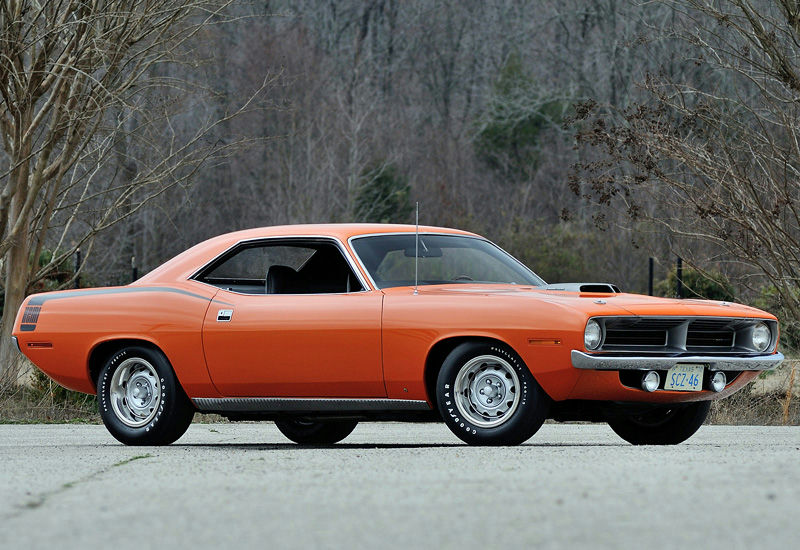
Experiencing an emergency situation while driving a classic car like the 1970 Plymouth Hemi 'Cuda can be stressful. In such cases, turning on the emergency lights (also known as hazard lights) is crucial to alert other drivers. If you’re unsure how to activate the emergency lights in a 1970 Plymouth Hemi 'Cuda, here is how to solve this issue.
Join the AutoFame community. Become a member for free, add your car to the garage and tell its story. Join AutoFame.
Step 1: Locate the Emergency Light Switch
To start, you need to find the emergency light switch, which is located on the dashboard. In the 1970 Plymouth Hemi 'Cuda, this switch is typically situated on the right side of the steering column. It is a small, rectangular button that is colored differently from the rest of the dashboard controls, often red, to make it easy to identify.
Step 2: Identify the Emergency Light Button
Examine the dashboard closely around the steering wheel area. You should see a button with a trapezoidal or triangular icon that has two small triangles inside it. This button may be slightly raised and have a different texture compared to the rest of the dashboard controls.
Step 3: Press the Emergency Light Button
Once you have identified the emergency light button, press it firmly. You should feel a click as the button engages. If the button has not been used in a while, you may need to press it a bit harder for it to activate.
Step 4: Verify Emergency Lights Activation
After pressing the button, exit the vehicle carefully and walk around to ensure all four turn signal lights are flashing. The lights on both the front and rear of the car should be blinking simultaneously. You might also notice the corresponding indicator lights blinking on the dashboard.
Step 5: Deactivate the Emergency Lights
When the emergency situation has been resolved and you no longer need the hazard lights, return to the driver's seat and press the same emergency light button again. This action will turn off the hazard lights. Double-check that all external lights have stopped flashing by walking around the car one more time.
Following these steps will ensure you can efficiently and effectively use the emergency lights in your 1970 Plymouth Hemi 'Cuda. Remember that the proper use of hazard lights is not only a legal requirement in many places but also a vital safety measure to keep you and other drivers safe on the road.
Have a car with a story like this? Become an AutoFame member and share it with people who love cars as much as you do.
About AutoFame
AutoFame is a home for people who love cars and the stories behind them. Every car on a show field or in a garage has a history: who built it, who saved it, the road trips, the late nights in the shop and the people who helped along the way. AutoFame gives those stories a place to live, so they are not lost when the hood closes or the car changes hands.
Membership is free. Once you join, you can add your car to your own AutoFame garage with photos, specs and the story only you can tell. Restorations, survivors, daily drivers, race cars and family heirlooms all belong here. Other members can find your car, follow its progress and connect with you over the details that matter to car people.
Beyond member garages, AutoFame publishes stories, guides and features on the cars, builders and history that shape car culture. You will find buying and restoration guides, car parts explainers, special editions, the newest models and the classics that started it all. The AutoFame Gallery puts member cars on display for anyone to browse, and the AutoFame YouTube channel adds owner interviews, show highlights and the conversations that happen around a good car.
AutoFame is also built for the people who run car shows. Organizers use it to manage entries and judging, and judges score each car category by category on their phones, with a written guide for every category so nothing gets skipped. After a judged show, owners can see what their car was scored on and how it compared. Shows across the Texas Gulf Coast have run on AutoFame, including the Moody Gardens Car Show in Galveston, Good Grub and Gears, and Keels and Wheels at Lakewood Yacht Club.
AutoFame was founded by Kevin Brady, whose own life in cars began long before he started building tools for the hobby. The idea is simple: the people who love these cars should have one place to share them, learn from each other and keep the stories going.
Whether you own a show winner, a project that is still in pieces or simply love reading about great cars, there is room for you here.
Be part of the AutoFame community. Join free and become a member today.