How to troubleshoot fuel delivery issues on a 1971 Dodge Charger R/T?
Experiencing fuel delivery issues in a 1971 Dodge Charger R/T can lead to problems such as poor engine performance, stalling, or the engine not starting at all. Determining these issues often involve…
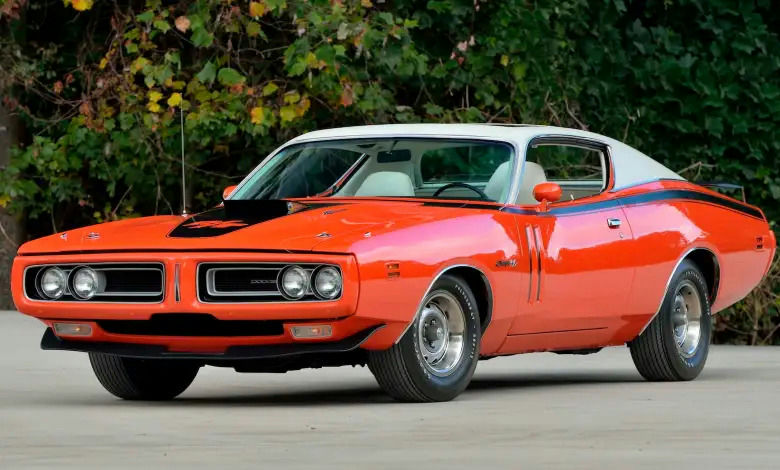
- Model
- 1971 Dodge Charger R/T
Experiencing fuel delivery issues in a 1971 Dodge Charger R/T can lead to problems such as poor engine performance, stalling, or the engine not starting at all. Determining these issues often involves identifying symptoms like sputtering, hesitation, or an inability to reach high speeds. Now, let’s delve into how to troubleshoot and resolve these fuel delivery problems.
Step 1: Inspect the Fuel Pump
Begin by locating the mechanical fuel pump, which is typically mounted on the side of the engine block. It’s a metal component, usually connected to fuel lines and a visible lever arm. Check for any visible signs of wear or damage. You’ll want to remove the fuel line leading to the carburetor and place it into a container, then crank the engine. If fuel flows properly, the pump is likely functioning; if not, it may need replacement.
Step 2: Check the Fuel Filter
The fuel filter is usually found along the fuel line, either mounted near the fuel tank or in the engine bay. It looks like a small canister with an inlet and an outlet for the fuel lines. Disconnect the fuel lines and inspect the filter. If it's clogged with debris, replace it. Ensure you install the new filter in the correct direction (marked by an arrow for fuel flow).
Step 3: Inspect the Fuel Lines
Inspect the fuel lines running from the fuel tank to the engine for any signs of cracks, leaks, or blockages. These lines are generally rubber or metal and follow the chassis of the car. Pay particular attention to areas where the lines bend or are secured by clips, as these spots are prone to wear and damage. Replace any compromised sections of the fuel lines.
Step 4: Examine the Fuel Tank
Drop the fuel tank by safely lifting the car and supporting it with jack stands. The fuel tank is typically a large, flat metal container located at the rear of the car. Inspect it for rust, especially around the seams and mounting points. Remove the sending unit and check for debris inside the tank. Clean the tank thoroughly if you find any contamination.
Step 5: Test the Carburetor
Finally, ensure the carburetor is receiving fuel. The carburetor is mounted on the top center of the engine. Remove the air cleaner to expose it. Manually operate the throttle linkage and observe if fuel sprays into the carburetor. If not, the issue may lie within the carburetor itself, necessitating a rebuild or replacement.
By following these detailed steps, you can systematically diagnose and resolve fuel delivery issues in your 1971 Dodge Charger R/T, ensuring it runs smoothly and efficiently.