How to troubleshoot fuel delivery issues on a 1969 Pontiac GTO Judge?
Having issues with fuel delivery in your 1969 Pontiac GTO Judge can be frustrating. Symptoms may include difficulty starting the car, stalling, or a noticeable lack of power when driving. These issue…
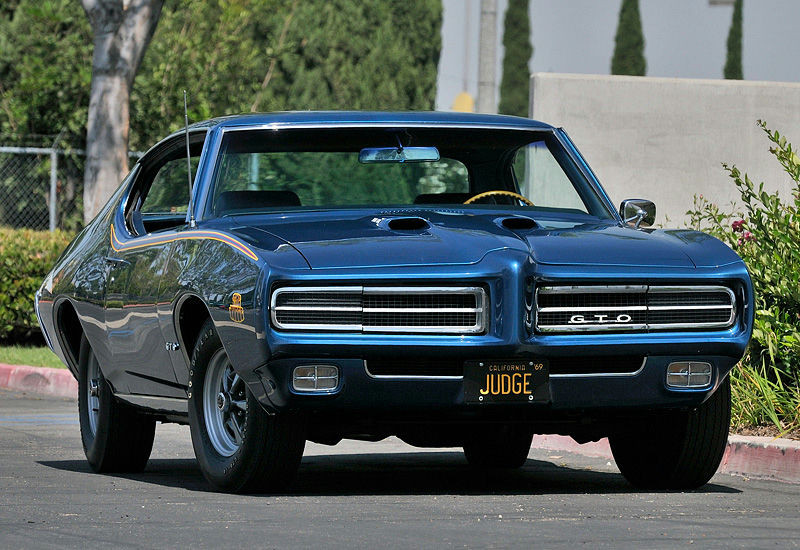
Model: 1969 Pontiac GTO Judge
Having issues with fuel delivery in your 1969 Pontiac GTO Judge can be frustrating. Symptoms may include difficulty starting the car, stalling, or a noticeable lack of power when driving. These issues often stem from problems in the fuel system, which is vital for engine performance. To get your GTO Judge back on the road, you'll need to systematically troubleshoot the fuel delivery system to identify and solve the problem. Here's how you can address this issue:
Join the AutoFame community. Become a member for free, add your car to the garage and tell its story. Join AutoFame.
Step 1: Inspect the Fuel Pump
The fuel pump is essential for moving fuel from the tank to the engine. To inspect it:
Locate the Fuel Pump: The mechanical fuel pump is typically mounted on the engine block, near the front bottom.
Visual Inspection: Look for any visible damage, leaks, or disconnected hoses.
Operational Test: Disconnect the fuel line from the carburetor and have someone turn the engine over while you watch to see if fuel is being pumped out. This step will help you determine if the pump is working correctly.
Step 2: Check the Fuel Filter
A clogged fuel filter can restrict the flow of fuel to the engine.
Locate the Fuel Filter: The fuel filter is often located along the fuel line between the fuel pump and the carburetor, typically near the firewall or mounted on the frame rail.
Remove and Inspect: Detach the fuel filter and inspect it for clogs or debris. If it's dirty, replace it with a new one.
Step 3: Examine the Fuel Lines
Fuel lines can become obstructed or damaged, leading to fuel delivery problems.
Visual Inspection: Trace the fuel line from the tank to the engine, looking for kinks, cracks, or leaks.
Flow Test: If possible, disconnect the fuel line at different points to ensure fuel flows freely through each segment.
Step 4: Inspect the Fuel Tank
Dirt or rust in the fuel tank can clog the fuel system.
Locate the Fuel Tank: The fuel tank is generally at the rear of the vehicle, under the trunk.
Visual Inspection: Look underneath the car to inspect the outer shell of the tank for rust or damage.
Interior Check: If you suspect internal contamination, consider removing the tank for a thorough cleaning. Drain the tank and look for debris, rust, or other contaminants.
Step 5: Check the Carburetor
The carburetor mixes air with fuel to ensure efficient combustion.
Locate the Carburetor: It is typically situated on top of the engine, directly beneath the air filter.
Inspect and Clean: Remove the air filter to access the carburetor. Look inside for debris or signs of clogging. Use a carburetor cleaner spray to clean any deposits.
Operational Check: Ensure the throttle linkage moves freely and that the float inside the carburetor bowl operates without sticking.
Step 6: Test the Fuel Sending Unit
The fuel sending unit monitors the fuel level and can sometimes cause issues if faulty.
Locate the Unit: It's usually located inside the fuel tank.
Testing and Replacement: If you suspect it's defective, you'll need to remove the fuel tank to access and test it with a multimeter. If defective, replace it.
Have a car with a story like this? Become an AutoFame member and share it with people who love cars as much as you do.
By following these steps, you will systematically diagnose and resolve fuel delivery issues in your 1969 Pontiac GTO Judge. Each component of the fuel system must be checked meticulously to ensure everything is functioning as it should.
About AutoFame
AutoFame is a home for people who love cars and the stories behind them. Every car on a show field or in a garage has a history: who built it, who saved it, the road trips, the late nights in the shop and the people who helped along the way. AutoFame gives those stories a place to live, so they are not lost when the hood closes or the car changes hands.
Membership is free. Once you join, you can add your car to your own AutoFame garage with photos, specs and the story only you can tell. Restorations, survivors, daily drivers, race cars and family heirlooms all belong here. Other members can find your car, follow its progress and connect with you over the details that matter to car people.
Beyond member garages, AutoFame publishes stories, guides and features on the cars, builders and history that shape car culture. You will find buying and restoration guides, car parts explainers, special editions, the newest models and the classics that started it all. The AutoFame Gallery puts member cars on display for anyone to browse, and the AutoFame YouTube channel adds owner interviews, show highlights and the conversations that happen around a good car.
AutoFame is also built for the people who run car shows. Organizers use it to manage entries and judging, and judges score each car category by category on their phones, with a written guide for every category so nothing gets skipped. After a judged show, owners can see what their car was scored on and how it compared. Shows across the Texas Gulf Coast have run on AutoFame, including the Moody Gardens Car Show in Galveston, Good Grub and Gears, and Keels and Wheels at Lakewood Yacht Club.
AutoFame was founded by Kevin Brady, whose own life in cars began long before he started building tools for the hobby. The idea is simple: the people who love these cars should have one place to share them, learn from each other and keep the stories going.
Whether you own a show winner, a project that is still in pieces or simply love reading about great cars, there is room for you here.
Be part of the AutoFame community. Join free and become a member today.