How to troubleshoot engine misfires on a 1970 Chevrolet Chevelle SS 454?
Engine misfires can be a common problem in classic cars like the 1970 Chevrolet Chevelle SS 454. An engine misfire is when one or more cylinders fail to ignite the fuel-air mixture at the correct tim…
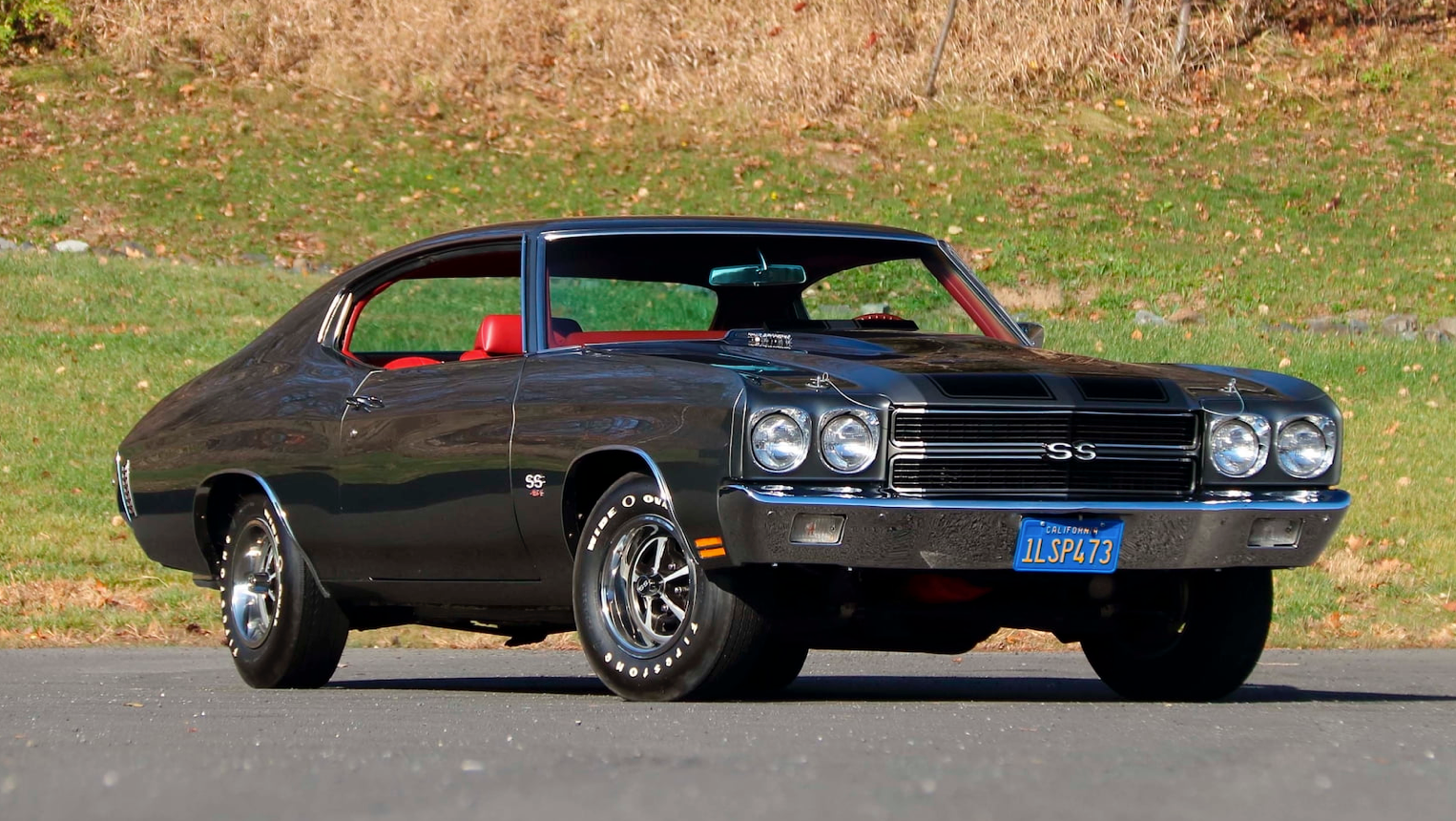
Model: 1970 Chevrolet Chevelle SS 454
Engine misfires can be a common problem in classic cars like the 1970 Chevrolet Chevelle SS 454. An engine misfire is when one or more cylinders fail to ignite the fuel-air mixture at the correct time, leading to poor engine performance, rough idling, reduced fuel efficiency, and a noticeable stutter in the vehicle's power delivery. It's crucial to address this issue promptly to prevent potential damage to engine components. Here's how to solve this issue:
Join the AutoFame community. Become a member for free, add your car to the garage and tell its story. Join AutoFame.
Step 1: Inspect Spark Plugs
Locate the spark plugs: Spark plugs are threaded into the cylinder head, identifiable by thick, rubber-coated wires (spark plug wires) connected to the tips.
Remove and examine: Use a spark plug socket to carefully unscrew each plug. Check for signs of wear or fouling, such as soot buildup, oily residue, or worn electrodes.
Replace if necessary: If any plugs appear damaged or excessively dirty, replace them with new ones that match the manufacturer's specifications, typically found in the vehicle's service manual.
Step 2: Check Spark Plug Wires
Visual inspection: Follow the spark plug wires from the plugs to the distributor cap. Look for cracks, wear, or signs of electrical arcing (burn marks).
Test for continuity: Use a multimeter to check the resistance of the wires. High resistance could indicate a bad wire that needs to be replaced.
Step 3: Examine the Distributor Cap and Rotor
Locate the distributor cap: It's a round plastic component situated at the rear of the engine bay, on top of the distributor body.
Remove the cap: Unscrew or unclip the cap and inspect the inside for corrosion, carbon tracking, or damaged contacts.
Check the rotor: The rotor is underneath the cap; look for signs of wear or damage.
Replace if needed: If there are any signs of wear or damage, replace both the distributor cap and rotor.
Step 4: Test the Ignition Coil
Locate the ignition coil: Typically mounted on the engine block or firewall, the ignition coil has a cylindrical or rectangular shape and is connected to the distributor by a high-tension lead.
Test with a multimeter: Disconnect the electrical connectors and use a multimeter to measure the resistance of the primary and secondary windings. Compare readings with the manufacturer's specifications. Out-of-spec readings indicate the coil needs replacement.
Step 5: Inspect the Fuel System
Check fuel filter: Locate the fuel filter along the fuel line, usually under the car near the fuel tank or along the frame rail. If it's clogged, it might restrict fuel flow.
Inspect fuel pump: Ensure the fuel pump, typically near the gas tank or along the fuel line, is operational. Listen for a humming sound when the ignition is turned on.
Verify fuel pressure: Use a fuel pressure gauge connected to the fuel rail to check if the pump delivers adequate pressure according to specification.
Step 6: Check for Vacuum Leaks
Locate vacuum hoses: Inspect all the vacuum hoses connected to various components around the engine bay.
Listen for hissing sounds: With the engine running, a hissing noise may indicate a vacuum leak.
Inspect hoses: Look for cracks, splits, or disconnected hoses. Replace any damaged hoses and ensure all connections are secure.
Step 7: Test the Engine Compression
Have a car with a story like this? Become an AutoFame member and share it with people who love cars as much as you do.
Obtain a compression tester: Ensure the engine is off, remove the spark plugs, and screw the compression tester into each spark plug hole.
Crank the engine: Turn the engine over a few times using the starter, and note the compression reading. Each cylinder should show consistent readings.
Analyze results: Significantly low readings in one or more cylinders may suggest issues with valves, piston rings, or head gaskets.
By following these steps, you can systematically diagnose and fix the causes of engine misfires in your 1970 Chevrolet Chevelle SS 454, ensuring smoother and more reliable performance.
About AutoFame
AutoFame is a home for people who love cars and the stories behind them. Every car on a show field or in a garage has a history: who built it, who saved it, the road trips, the late nights in the shop and the people who helped along the way. AutoFame gives those stories a place to live, so they are not lost when the hood closes or the car changes hands.
Membership is free. Once you join, you can add your car to your own AutoFame garage with photos, specs and the story only you can tell. Restorations, survivors, daily drivers, race cars and family heirlooms all belong here. Other members can find your car, follow its progress and connect with you over the details that matter to car people.
Beyond member garages, AutoFame publishes stories, guides and features on the cars, builders and history that shape car culture. You will find buying and restoration guides, car parts explainers, special editions, the newest models and the classics that started it all. The AutoFame Gallery puts member cars on display for anyone to browse, and the AutoFame YouTube channel adds owner interviews, show highlights and the conversations that happen around a good car.
AutoFame is also built for the people who run car shows. Organizers use it to manage entries and judging, and judges score each car category by category on their phones, with a written guide for every category so nothing gets skipped. After a judged show, owners can see what their car was scored on and how it compared. Shows across the Texas Gulf Coast have run on AutoFame, including the Moody Gardens Car Show in Galveston, Good Grub and Gears, and Keels and Wheels at Lakewood Yacht Club.
AutoFame was founded by Kevin Brady, whose own life in cars began long before he started building tools for the hobby. The idea is simple: the people who love these cars should have one place to share them, learn from each other and keep the stories going.
Whether you own a show winner, a project that is still in pieces or simply love reading about great cars, there is room for you here.
Be part of the AutoFame community. Join free and become a member today.