How to troubleshoot engine misfires on a 1969 Pontiac GTO Judge?
Engine misfires in a 1969 Pontiac GTO Judge can manifest as rough idling, shaking, or lack of power during acceleration. These symptoms indicate that one or more cylinders are not firing correctly, w…
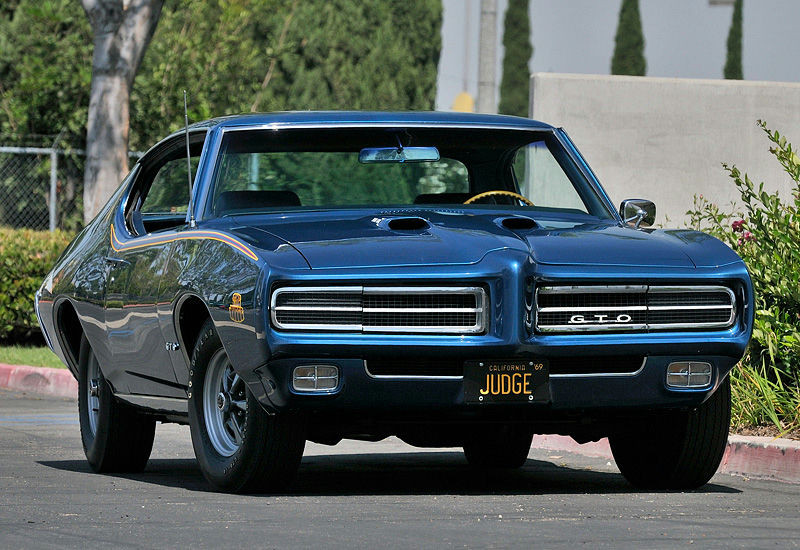
Model: 1969 Pontiac GTO Judge
Engine misfires in a 1969 Pontiac GTO Judge can manifest as rough idling, shaking, or lack of power during acceleration. These symptoms indicate that one or more cylinders are not firing correctly, which can be due to a variety of issues ranging from spark plugs to fuel problems. Diagnosing and solving this issue requires a methodical approach to inspect and identify the root cause. Here is how to solve this issue:
Join the AutoFame community. Become a member for free, add your car to the garage and tell its story. Join AutoFame.
Step 1: Inspect the Spark Plugs
Start by checking the spark plugs, as they are the most common cause of misfires. Open the hood and locate the spark plugs, which are situated along the sides of the engine block. They are threaded into the cylinder head with thick, black rubber cables connected to them. Remove each spark plug wire by gently twisting it and pulling it out. Using a spark plug socket wrench, unscrew the spark plugs. Look for signs of wear, carbon buildup, or damage such as cracks. If the spark plugs are dirty or worn, replace them with new ones.
Step 2: Check the Spark Plug Wires
Examine the spark plug wires for any cracks, splits, or signs of wear. Run your hands along the length of each wire to feel for any breaks. If any damage is found, replace the spark plug wires.
Step 3: Inspect the Distributor Cap and Rotor
Next, inspect the distributor cap and rotor. The distributor cap is located near the back of the engine and is connected to all spark plug wires. It's a round plastic component, usually black or orange. Remove the cap by unscrewing the screws or unclipping the latches. Inspect the inside of the cap for carbon buildup, cracks, or worn contacts. Also, check the rotor beneath the cap. Replace the distributor cap and rotor if they show any signs of wear.
Step 4: Check the Ignition Coil
The ignition coil converts the battery's voltage to a higher voltage needed to create a spark. It's usually mounted on or near the engine block and is connected to the distributor cap. Use a multimeter to test the coil's primary and secondary resistance according to the manufacturer’s specifications. If the resistance is out of range, replace the ignition coil.
Step 5: Examine the Fuel System
Poor fuel delivery can also cause misfires. Start by checking the fuel filter, which is usually located along the fuel line either near the fuel tank or the engine bay. It’s a small cylindrical component. If the fuel filter is clogged, replace it. Also, inspect the fuel pump by checking for adequate fuel pressure. Use a fuel pressure gauge to measure the pressure at the fuel rail. If the pressure is low, you may need to replace the fuel pump.
Step 6: Look for Vacuum Leaks
Vacuum leaks can disrupt the air-fuel mixture, causing misfires. Inspect all vacuum hoses connected to the engine for cracks, splits, or disconnections. These hoses are usually small and rubberized, running to different engine components from the intake manifold. Listen for a hissing sound while the engine is running, which can indicate a vacuum leak. Replace any damaged hoses.
Step 7: Perform a Compression Test
Have a car with a story like this? Become an AutoFame member and share it with people who love cars as much as you do.
Finally, perform a compression test to check the condition of the engine’s internal components. Remove all spark plugs and insert a compression gauge into each cylinder's spark plug hole one at a time. Crank the engine and record the pressure for each cylinder. All cylinders should have similar readings. Significant differences can indicate issues like a blown head gasket or a damaged piston. Consult a professional mechanic if compression issues are found, as this may require a more complex repair.
By methodically examining these components, you can identify and fix the cause of engine misfires in your 1969 Pontiac GTO Judge, ensuring it runs smoothly and efficiently.
About AutoFame
AutoFame is a home for people who love cars and the stories behind them. Every car on a show field or in a garage has a history: who built it, who saved it, the road trips, the late nights in the shop and the people who helped along the way. AutoFame gives those stories a place to live, so they are not lost when the hood closes or the car changes hands.
Membership is free. Once you join, you can add your car to your own AutoFame garage with photos, specs and the story only you can tell. Restorations, survivors, daily drivers, race cars and family heirlooms all belong here. Other members can find your car, follow its progress and connect with you over the details that matter to car people.
Beyond member garages, AutoFame publishes stories, guides and features on the cars, builders and history that shape car culture. You will find buying and restoration guides, car parts explainers, special editions, the newest models and the classics that started it all. The AutoFame Gallery puts member cars on display for anyone to browse, and the AutoFame YouTube channel adds owner interviews, show highlights and the conversations that happen around a good car.
AutoFame is also built for the people who run car shows. Organizers use it to manage entries and judging, and judges score each car category by category on their phones, with a written guide for every category so nothing gets skipped. After a judged show, owners can see what their car was scored on and how it compared. Shows across the Texas Gulf Coast have run on AutoFame, including the Moody Gardens Car Show in Galveston, Good Grub and Gears, and Keels and Wheels at Lakewood Yacht Club.
AutoFame was founded by Kevin Brady, whose own life in cars began long before he started building tools for the hobby. The idea is simple: the people who love these cars should have one place to share them, learn from each other and keep the stories going.
Whether you own a show winner, a project that is still in pieces or simply love reading about great cars, there is room for you here.
Be part of the AutoFame community. Join free and become a member today.