How to troubleshoot engine misfires on a 1969 Oldsmobile 442?
Engine misfires can be a frustrating problem, especially in classic cars like the 1969 Oldsmobile 442. Misfires occur when one or more cylinders fail to combust properly, causing a rough idle, poor p…
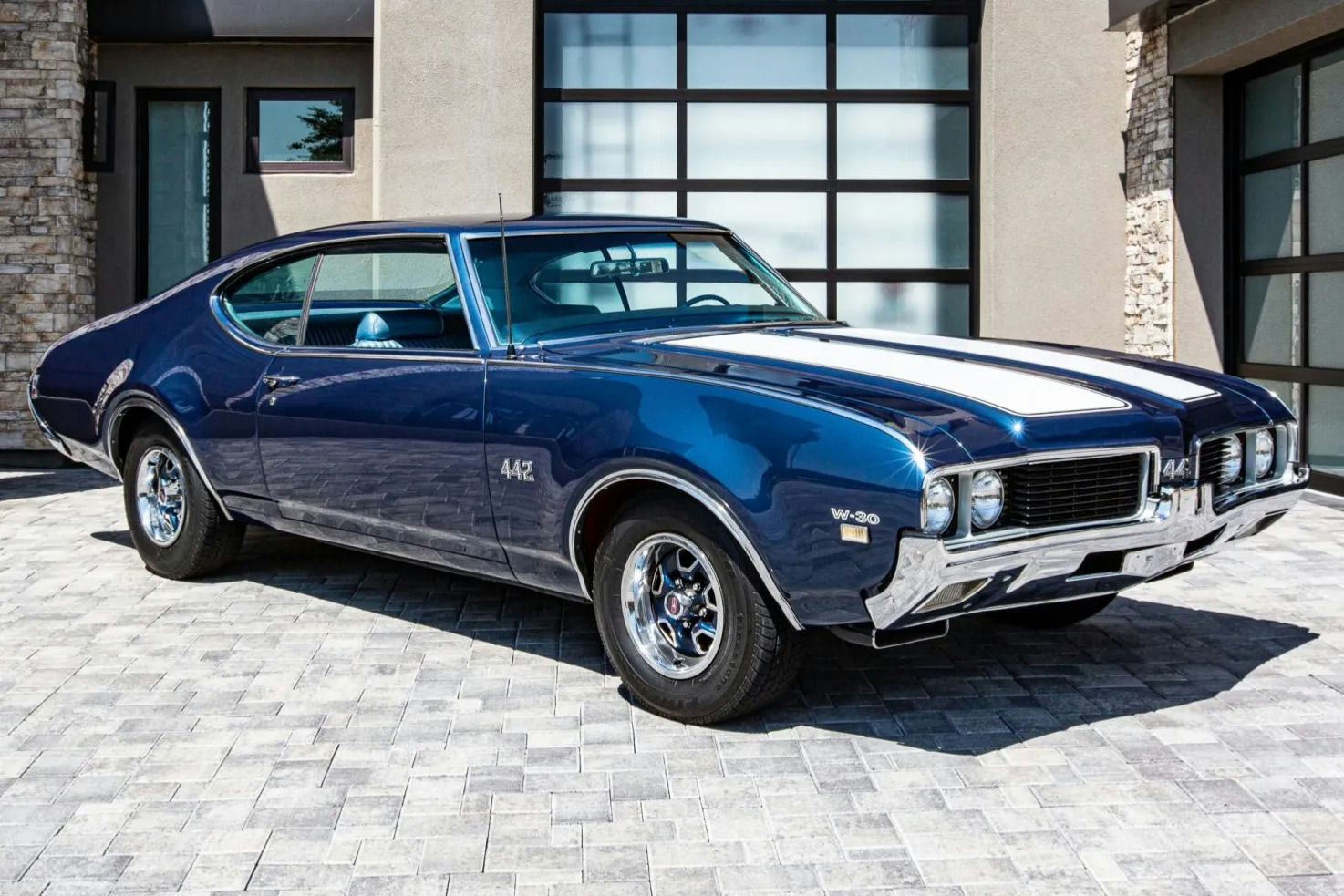
- Model
- 1969 Oldsmobile 442
Engine misfires can be a frustrating problem, especially in classic cars like the 1969 Oldsmobile 442. Misfires occur when one or more cylinders fail to combust properly, causing a rough idle, poor performance, and potentially serious engine damage if left unresolved. Common symptoms include a noticeable drop in power, erratic engine behavior, or the Check Engine light illuminating (if your vehicle has been fitted with such). Here is how to solve this issue:
Step 1: Check the Spark Plugs and Wires
The first step in diagnosing engine misfires involves inspecting the spark plugs and wires. Faulty spark plugs or worn-out wires can lead to poor ignition.
- Locate the Spark Plugs: Open the hood and look for the spark plugs. They are found at the top or sides of the engine cylinder head and are connected by thick rubber ignition wires.
- Remove and Inspect: Carefully remove each spark plug using a spark plug socket wrench. Look for signs of wear, carbon buildup, or oil fouling.
- Check the Wires: While the plugs are out, inspect the corresponding ignition wires for cracks, breaks, or corrosion at the ends. Replace any damaged plugs or wires as necessary.
Step 2: Examine the Distributor Cap and Rotor
The distributor cap and rotor are key components in delivering electrical current to the spark plugs. If they are damaged or worn out, misfires can occur.
- Locate the Distributor: The distributor is found at the front of the engine and is typically a cylindrical component with a series of wires attached to it.
- Remove the Cap: Unclip or unscrew the distributor cap.
- Inspect the Rotor: Look for any signs of wear, corrosion, or carbon tracks on the rotor and inside the cap. Replace them if there is any significant damage.
Step 3: Check the Fuel System
A misfiring engine can also be caused by issues in the fuel delivery system.
- Fuel Filter: The fuel filter is usually located along the frame rail or near the fuel tank. A clogged filter will restrict fuel flow. Replace it if it looks dirty or if it has been a long time since it was last replaced.
- Fuel Pump: If the fuel pump is failing, it may not supply enough fuel to the engine. You can usually hear the fuel pump whirr when you turn the key to the "On" position without starting the engine. If it sounds weak or doesn't operate at all, it may need replacement.
Step 4: Inspect the Vacuum System
Vacuum leaks can disrupt the air-fuel mixture, leading to misfires.
- Locate Vacuum Hoses: Look for small rubber or plastic hoses running from the intake manifold to various components.
- Check for Leaks: Inspect these hoses for cracks, disconnections, or brittleness. A good way to test for leaks is to spray a small amount of carburetor cleaner around the hoses while the engine is running. If the engine idle changes, you've likely found a leak.
Step 5: Evaluate the Compression
Low compression in one or more cylinders can also cause misfires.
- Compression Test: Using a compression tester, remove the spark plugs and thread the tester into each spark plug hole one by one. Crank the engine and observe the pressure readings. All cylinders should have comparable pressure. Significant deviations may indicate internal engine problems such as worn piston rings or valves.
Step 6: Check the Ignition Timing
Improper ignition timing can result in misfires.
- Timing Light: Use a timing light to check the engine timing.
- Adjustment: If the timing is off, adjust the distributor accordingly following the factory specifications for your Oldsmobile 442 engine.
Following these steps, you can systematically diagnose and address engine misfires on your 1969 Oldsmobile 442. Proper maintenance and prompt repairs can ensure your classic car continues to run smoothly.