How to troubleshoot electrical issues on a 1969 Oldsmobile 442?
When dealing with electrical issues on a 1969 Oldsmobile 442, it can be quite challenging given that car’s age and vintage nature. Electrical problems might manifest in various ways, such as dim or n…
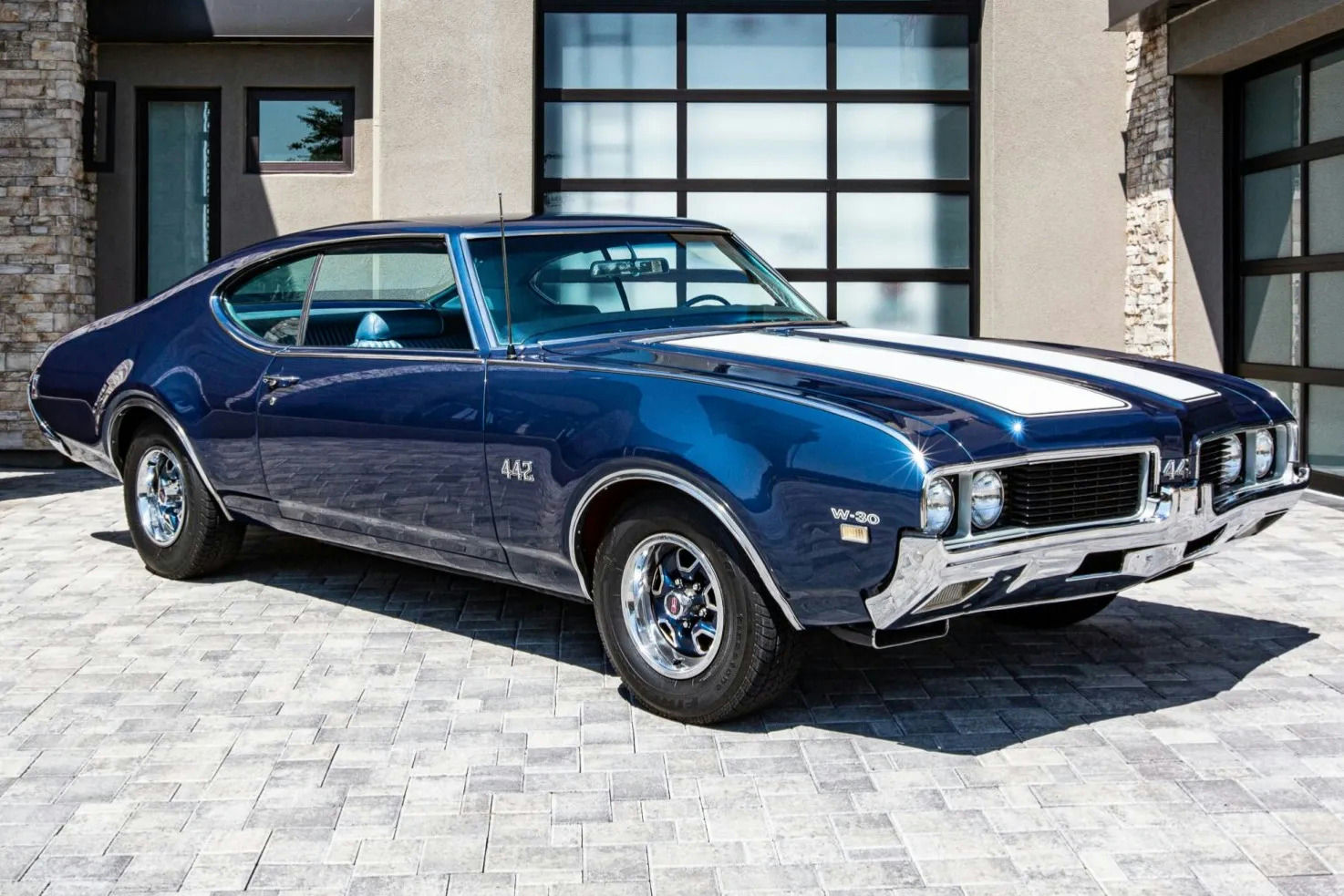
Model: 1969 Oldsmobile 442
When dealing with electrical issues on a 1969 Oldsmobile 442, it can be quite challenging given that car’s age and vintage nature. Electrical problems might manifest in various ways, such as dim or non-functioning headlights, interrupted power to essential components, or even a completely dead vehicle. These symptoms can often point to a problem in the car’s complex wiring system, which is susceptible to wear and tear over time. Here is a comprehensive guide to help you troubleshoot these electrical issues.
Join the AutoFame community. Become a member for free, add your car to the garage and tell its story. Join AutoFame.
Step 1: Inspect the Battery and Connections
First, locate the battery. It's usually situated in the front, towards one side of the engine bay.
Check for any visible signs of corrosion on the battery terminals. Corroded terminals can cause poor connections. If you find corrosion, remove the battery cables—negative first, then positive—and clean the terminals with a wire brush.
Ensure the battery is fully charged. You can use a multimeter to test its voltage. A healthy battery should read around 12.6 volts when the engine is off.
Step 2: Check the Fuses
The fuse box is typically located either under the dashboard on the driver's side or in the engine bay.
Open the fuse box cover and visually inspect the fuses. Look for any that appear blown (the metal strip inside the fuse will be melted or broken).
Replace any blown fuses with new ones of the same amperage rating.
Step 3: Examine the Wiring
Start by inspecting the wiring harness for any visible damage. Wiring can be found running throughout the engine bay and along the car's frame.
Pay close attention to areas where the wires pass through metal or near moving parts, as these are common points for wear and tear.
If you find any frayed or damaged wires, repair them by cutting out the damaged section and splicing in a new piece of wire, ensuring to use proper connectors and insulating tape.
Step 4: Test the Alternator
The alternator is located at the front of the engine, typically on the driver's side, characterized by a wheel and multiple belt attachments.
Start the car and use a multimeter to check the alternator’s voltage at the battery terminals. A healthy alternator should produce between 13.8 and 14.2 volts with the engine running.
If the readings fall outside this range, the alternator may need to be repaired or replaced.
Step 5: Inspect Electrical Grounds
Ensure all grounding points on the car are secure. Electrical grounds can typically be found where the battery grounds to the vehicle's chassis, on the engine block, and under the dashboard.
Look for any corroded or loose connections and clean or tighten them as necessary.
Step 6: Check Light Bulbs and Sockets
If specific lights such as headlights or taillights are not working, inspect the bulbs first. The headlight bulbs are located in the front grille area. Release the clips or screws to access them.
Replace any burnt-out bulbs and check the sockets for corrosion or damage which could cause connectivity issues.
Step 7: Use a Wiring Diagram for Advanced Troubleshooting
Have a car with a story like this? Become an AutoFame member and share it with people who love cars as much as you do.
For more complex problems, refer to the vehicle’s wiring diagram, which will help trace circuits and identify potential issues.
Use a test light or multimeter to confirm continuity in suspected faulty wires.
If needed, consult a professional with experience in vintage car electrical systems to assist in diagnosing more complicated issues.
By following these steps methodically, you should be able to diagnose and resolve many common electrical issues on your 1969 Oldsmobile 442. Remember, vintage cars require a delicate touch, so always ensure connections are secure and replace parts with authentic or high-quality replacements to maintain the car's integrity.
About AutoFame
AutoFame is a home for people who love cars and the stories behind them. Every car on a show field or in a garage has a history: who built it, who saved it, the road trips, the late nights in the shop and the people who helped along the way. AutoFame gives those stories a place to live, so they are not lost when the hood closes or the car changes hands.
Membership is free. Once you join, you can add your car to your own AutoFame garage with photos, specs and the story only you can tell. Restorations, survivors, daily drivers, race cars and family heirlooms all belong here. Other members can find your car, follow its progress and connect with you over the details that matter to car people.
Beyond member garages, AutoFame publishes stories, guides and features on the cars, builders and history that shape car culture. You will find buying and restoration guides, car parts explainers, special editions, the newest models and the classics that started it all. The AutoFame Gallery puts member cars on display for anyone to browse, and the AutoFame YouTube channel adds owner interviews, show highlights and the conversations that happen around a good car.
AutoFame is also built for the people who run car shows. Organizers use it to manage entries and judging, and judges score each car category by category on their phones, with a written guide for every category so nothing gets skipped. After a judged show, owners can see what their car was scored on and how it compared. Shows across the Texas Gulf Coast have run on AutoFame, including the Moody Gardens Car Show in Galveston, Good Grub and Gears, and Keels and Wheels at Lakewood Yacht Club.
AutoFame was founded by Kevin Brady, whose own life in cars began long before he started building tools for the hobby. The idea is simple: the people who love these cars should have one place to share them, learn from each other and keep the stories going.
Whether you own a show winner, a project that is still in pieces or simply love reading about great cars, there is room for you here.
Be part of the AutoFame community. Join free and become a member today.