How to troubleshoot cooling system issues on a 1969 Oldsmobile 442?
Cooling system issues in a 1969 Oldsmobile 442 can manifest in several ways, such as overheating, coolant loss, or unusual noises from the engine compartment. These symptoms indicate that the cooling…
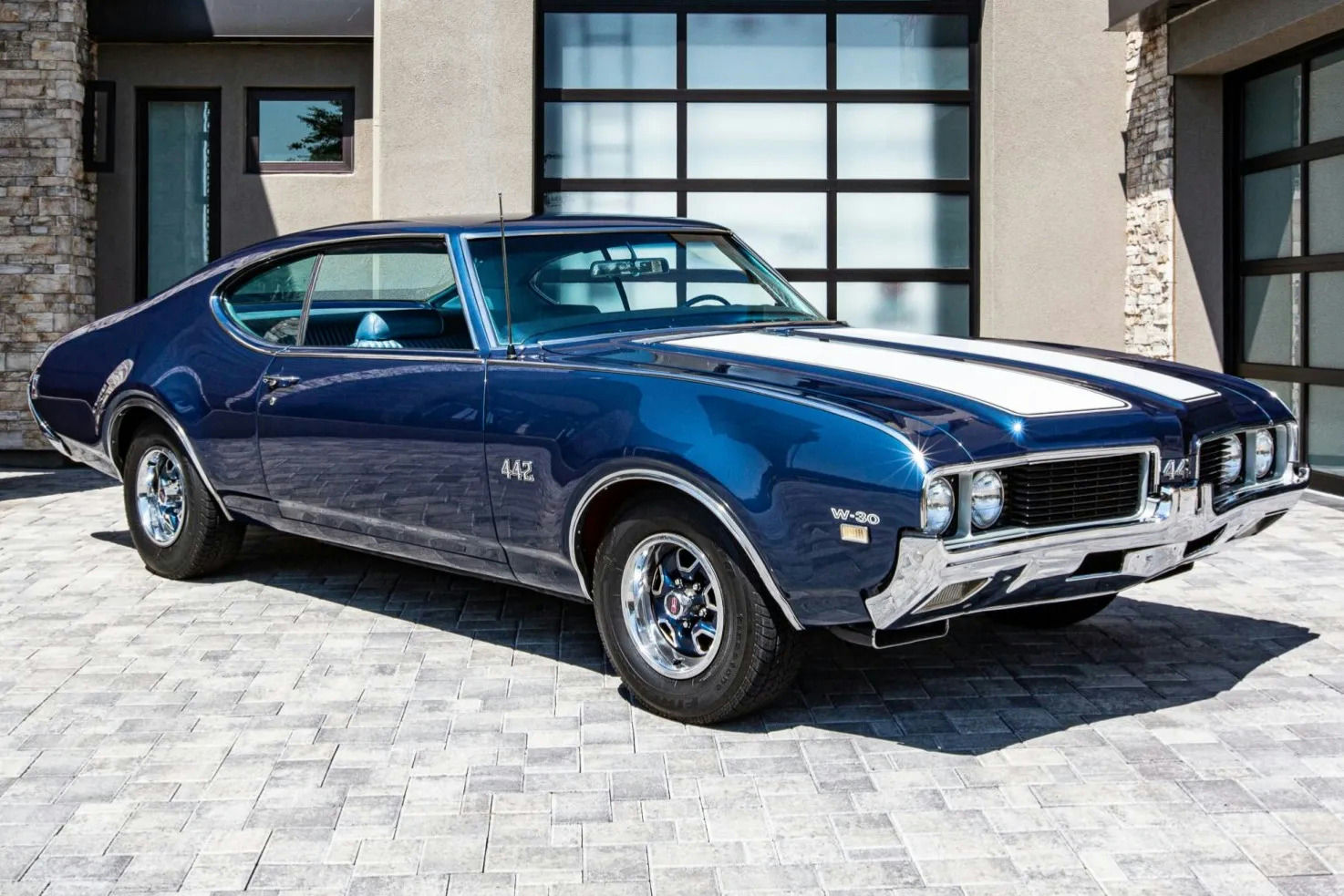
Model: 1969 Oldsmobile 442
Cooling system issues in a 1969 Oldsmobile 442 can manifest in several ways, such as overheating, coolant loss, or unusual noises from the engine compartment. These symptoms indicate that the cooling system may not be effectively managing the engine's temperature, which is crucial for maintaining performance and preventing damage. Here is how to solve this issue:
Join the AutoFame community. Become a member for free, add your car to the garage and tell its story. Join AutoFame.
Step 1: Check the Coolant Level
First, you need to ensure that your coolant level is adequate. The radiator is located at the front of the engine bay. The radiator cap, typically a small round metallic cap, can be found on the top-right corner of the radiator. Make sure the engine is cool before you open the cap to avoid burns from hot coolant. If the coolant level is low, this may indicate a leak or just simply that you need to refill it.
Step 2: Inspect the Radiator
Visual inspection of the radiator for leaks or blockages is crucial. Check for any signs of rust, corrosion, or damage. The radiator is the large, finned component at the front of the engine bay. If you notice any unusual dampness or discoloration, it could be indicative of a leak.
Step 3: Examine the Hoses
Next, look at the radiator hoses. There are typically two large hoses connected to the top and bottom of the radiator. These hoses are made of thick rubber. Check them for cracks, swelling, or leaks. Any signs of damage mean these hoses should be replaced.
Step 4: Test the Thermostat
The thermostat regulates the flow of coolant and is located where the upper radiator hose meets the engine, inside a small housing. If the thermostat is stuck closed, the engine can overheat. Remove the thermostat and test it by placing it in boiling water to see if it opens. If it doesn't, it needs replacement.
Step 5: Check the Water Pump
The water pump is essential for circulating coolant through the engine. It's located at the front of the engine block, driven by the serpentine or fan belt. Look for leaks around the pump's weep hole – a small hole at the bottom of the pump. If you see coolant leaking, the pump likely needs to be replaced. Additionally, listen for any grinding noises when the engine is running, indicating the pump's bearings might be worn out.
Step 6: Inspect the Fan and Fan Clutch
Your cooling system also relies on a fan that pulls air through the radiator. The fan and its clutch (mounted on the engine side of the radiator) should be checked to ensure they are functioning correctly. Spin the fan by hand when the engine is off; it should move with some resistance and not spin freely. If the clutch is faulty, it will need to be replaced.
Step 7: Flush the Cooling System
Over time, the cooling system can accumulate rust and debris, which can clog it. Flushing the system involves draining the old coolant and running water (and a radiator flush solution if necessary) through the system to clean it out before refilling it with fresh coolant. This can often resolve overheating issues.
Step 8: Check for Head Gasket Failure
Have a car with a story like this? Become an AutoFame member and share it with people who love cars as much as you do.
A more severe issue might be a failing head gasket, which can cause coolant to mix with engine oil. Check the oil cap (located on the valve cover at the top of the engine - it is a round metallic or plastic cap that might have an oil can icon on it) and the oil dipstick for a milky, frothy residue. Presence of such residue suggests a head gasket problem, which requires professional repair.
By systematically following these steps, you should be able to diagnose and fix most cooling system issues with a 1969 Oldsmobile 442, ensuring your classic car runs smoothly and remains reliable.
About AutoFame
AutoFame is a home for people who love cars and the stories behind them. Every car on a show field or in a garage has a history: who built it, who saved it, the road trips, the late nights in the shop and the people who helped along the way. AutoFame gives those stories a place to live, so they are not lost when the hood closes or the car changes hands.
Membership is free. Once you join, you can add your car to your own AutoFame garage with photos, specs and the story only you can tell. Restorations, survivors, daily drivers, race cars and family heirlooms all belong here. Other members can find your car, follow its progress and connect with you over the details that matter to car people.
Beyond member garages, AutoFame publishes stories, guides and features on the cars, builders and history that shape car culture. You will find buying and restoration guides, car parts explainers, special editions, the newest models and the classics that started it all. The AutoFame Gallery puts member cars on display for anyone to browse, and the AutoFame YouTube channel adds owner interviews, show highlights and the conversations that happen around a good car.
AutoFame is also built for the people who run car shows. Organizers use it to manage entries and judging, and judges score each car category by category on their phones, with a written guide for every category so nothing gets skipped. After a judged show, owners can see what their car was scored on and how it compared. Shows across the Texas Gulf Coast have run on AutoFame, including the Moody Gardens Car Show in Galveston, Good Grub and Gears, and Keels and Wheels at Lakewood Yacht Club.
AutoFame was founded by Kevin Brady, whose own life in cars began long before he started building tools for the hobby. The idea is simple: the people who love these cars should have one place to share them, learn from each other and keep the stories going.
Whether you own a show winner, a project that is still in pieces or simply love reading about great cars, there is room for you here.
Be part of the AutoFame community. Join free and become a member today.