How to replace the timing belt on a 1970 Chevrolet Chevelle SS 454?
Replacing the timing belt on a 1970 Chevrolet Chevelle SS 454 is an essential maintenance task that ensures the engine runs smoothly and prevents potentially severe engine damage. If the timing belt …
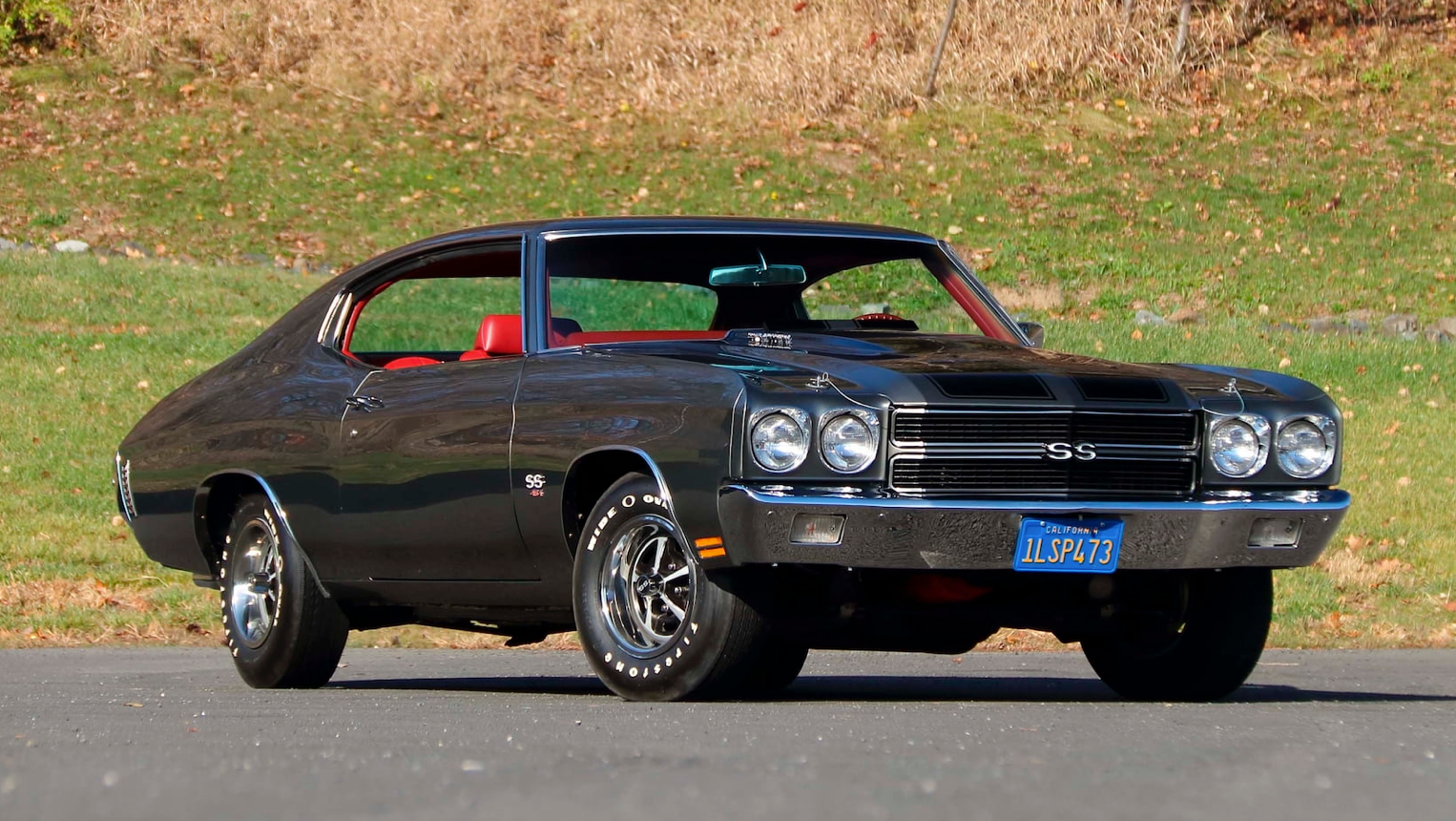
- Model
- 1970 Chevrolet Chevelle SS 454
Replacing the timing belt on a 1970 Chevrolet Chevelle SS 454 is an essential maintenance task that ensures the engine runs smoothly and prevents potentially severe engine damage. If the timing belt starts to wear out, you might notice symptoms such as engine misfires, unusual noises, or even the engine failing to start. If left unaddressed, a broken timing belt can lead to catastrophic engine damage. Here is how to solve this issue.
Step 1: Prepare Your Workspace
Before you start, make sure you have ample space to work around your vehicle. Park your Chevelle SS 454 on a flat surface, and engage the parking brake. Gather all the necessary tools, including a set of wrenches, a socket set, screwdrivers, a timing belt kit, and a repair manual specific to your vehicle.
Step 2: Disconnect the Battery
Safety first! Open the hood of the Chevelle SS 454 and locate the battery on the driver's side near the firewall. Disconnect the negative terminal using a wrench to prevent any electrical accidents during the process.
Step 3: Remove the Engine Cover and Belts
Remove any engine covers obstructing access to the timing belt. You may need a socket wrench to unscrew the bolts. Next, locate the accessory belts at the front of the engine. These belts drive the alternator, power steering pump, and other components. Loosen the tensioner and remove the accessory belts.
Step 4: Locate and Remove the Crankshaft Pulley
The crankshaft pulley is situated at the bottom center of the engine block. Use a large socket and breaker bar to remove the bolt securing the crankshaft pulley. This might require some muscle or an impact wrench. Once the bolt is removed, carefully slide the pulley off.
Step 5: Access the Timing Belt Cover
Locate the timing belt cover, which sits behind the crankshaft pulley. It is usually a relatively flat, rectangular plastic cover secured with several bolts. Use a socket set to remove these bolts and carefully pull off the cover to expose the timing belt.
Step 6: Align Timing Marks
Before removing the old timing belt, align the engine’s timing marks. Rotate the crankshaft using a socket and ratchet until the timing marks on the crankshaft and camshaft sprockets align with their corresponding marks on the engine block. Refer to a repair manual for specific alignment instructions.
Step 7: Remove the Old Timing Belt
With the timing marks aligned, locate the timing belt tensioner. It is a spring-loaded mechanism that maintains the tension of the timing belt. Loosen the tensioner and slide the belt off the camshaft and crankshaft sprockets. Be careful not to rotate the sprockets once the belt is removed.
Step 8: Install the New Timing Belt
Position the new timing belt over the camshaft and crankshaft sprockets, ensuring the timing marks remain aligned. Re-tighten the timing belt tensioner to the manufacturer’s specifications. Check the belt tension by pressing on it; it should be firm with slight give.
Step 9: Reassemble the Engine Components
Carefully reinstall the timing belt cover, securing it with the bolts. Slide the crankshaft pulley back onto its shaft and tighten the securing bolt. Reinstall the accessory belts, ensuring they are properly tensioned.
Step 10: Reconnect the Battery and Test
Reconnect the negative battery terminal. Start the engine and listen for any unusual noises. Observe the engine to ensure it runs smoothly. If everything sounds and operates correctly, the timing belt replacement is complete.
Conclusion
Completing this process will keep your 1970 Chevrolet Chevelle SS 454 engine in good health. Regular maintenance can prevent major issues down the road. If you are unsure or uncomfortable performing any steps, consult a professional mechanic.