How to replace the brake pads on a 1969 AMC AMX?
Replacing the brake pads on a classic car like the 1969 AMC AMX is a task that can significantly improve your car's braking performance and safety. Worn-out brake pads can be identified by a squealin…
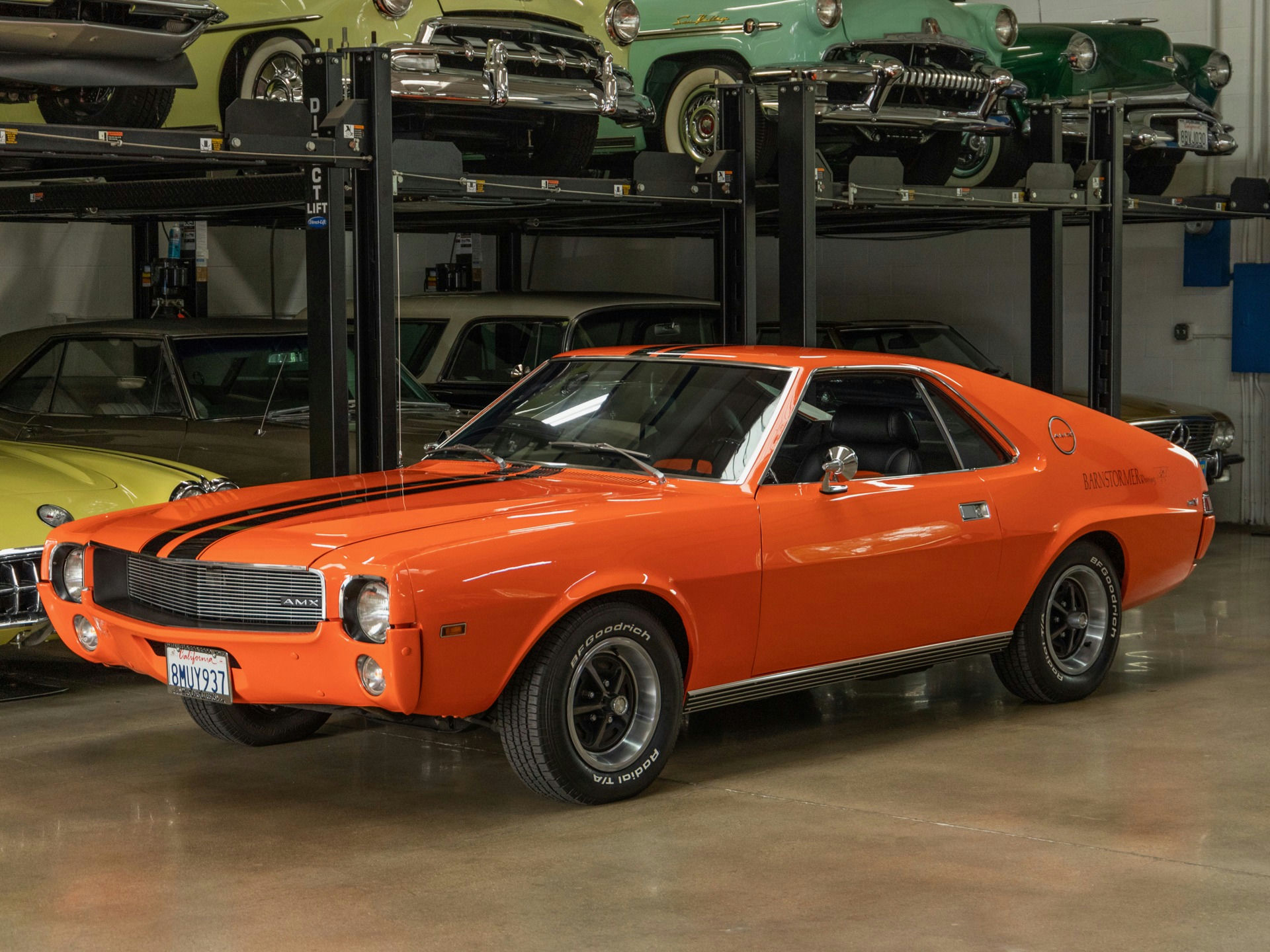
Model: 1969 AMC AMX
Replacing the brake pads on a classic car like the 1969 AMC AMX is a task that can significantly improve your car's braking performance and safety. Worn-out brake pads can be identified by a squealing noise when braking, reduced braking efficiency, or a grinding sound which indicates the pads are completely worn down and the metal backing is contacting the rotor. To ensure your AMC AMX stops smoothly and safely, it's crucial to replace the brake pads when necessary. Here is how to solve this issue.
Join the AutoFame community. Become a member for free, add your car to the garage and tell its story. Join AutoFame.
Step 1: Preparation
Before you start, gather all necessary tools and materials:
New brake pads specific to the 1969 AMC AMX
Jack and jack stands
Lug wrench
Socket and ratchet set
C-clamp or brake caliper piston tool
Brake cleaner
Bungee cord or rope
Additionally, ensure your workspace is clean and your car is on a stable, flat surface.
Step 2: Lifting the Car
Loosen the Lug Nuts: Begin by loosening the lug nuts on all the wheels where you intend to replace the brake pads. Use the lug wrench to break each nut free, but do not remove them completely yet.
Jack Up the Car: Using a reliable car jack, lift the AMC AMX from the designated jack points located behind the front wheels or in front of the rear wheels under the frame.
Secure the Car: Place the jack stands securely under the car's frame to support the car while working. Always ensure the stands are locked in place before working underneath the car.
Step 3: Removing the Wheels
Remove the Lug Nuts: Now that the car is safely lifted, remove the loosened lug nuts completely and pull the wheels off to expose the brake components.
Step 4: Accessing the Brake Caliper
Locate the Caliper: The brake caliper is a large metal component that holds the brake pads against the rotor. It is situated around the outer edge of the rotor.
Remove Caliper Bolts: Use the appropriate socket to remove the bolts securing the caliper to the caliper bracket. These bolts are usually located at the backside of the caliper, top, and bottom.
Step 5: Removing the Brake Pads
Detach the Caliper: Carefully slide the caliper off the rotor. Support the caliper using a bungee cord or rope tied to the suspension. Avoid letting it hang by the brake hose as this can cause damage.
Remove Old Pads: The brake pads are housed within the caliper bracket. Simply slide the old brake pads out of their slots.
Step 6: Preparing the Caliper
Retract the Piston: Using a C-clamp or a brake caliper piston tool, slowly push the caliper piston back into the caliper housing. This is necessary to make room for the new, thicker pads. Place one of the old brake pads against the piston surface to evenly distribute force from the clamp.
Step 7: Installing the New Brake Pads
Position New Pads: Slide the new brake pads into the caliper bracket in the same orientation as the old pads. They should fit snugly into the slots.
Reattach Caliper: Carefully slide the caliper back over the rotor and new pads. Secure it by tightening the caliper bolts you previously removed.
Step 8: Reinstallation of Wheels
Reattach Wheels: Place the wheel back onto the hub. Hand-thread the lug nuts to hold the wheel in place.
Lower the Car: Carefully lift the car using the jack to remove the jack stands, then lower the car back onto the ground.
Have a car with a story like this? Become an AutoFame member and share it with people who love cars as much as you do.
Step 9: Final Tightening and Testing
Tighten Lug Nuts: With the car on the ground, use the lug wrench to tighten the lug nuts in a crisscross or star pattern to ensure even pressure.
Test the Brakes: Before driving, pump the brake pedal several times to ensure the brake pads are properly seated. The pedal should feel firm once the pads are in place.
Conclusion
Replacing the brake pads on your 1969 AMC AMX is a task that can greatly enhance your vehicle's safety and performance. With the proper tools and careful attention to detail, you can complete this project efficiently. Always remember to test your brakes in a safe environment before resuming normal driving.
About AutoFame
AutoFame is a home for people who love cars and the stories behind them. Every car on a show field or in a garage has a history: who built it, who saved it, the road trips, the late nights in the shop and the people who helped along the way. AutoFame gives those stories a place to live, so they are not lost when the hood closes or the car changes hands.
Membership is free. Once you join, you can add your car to your own AutoFame garage with photos, specs and the story only you can tell. Restorations, survivors, daily drivers, race cars and family heirlooms all belong here. Other members can find your car, follow its progress and connect with you over the details that matter to car people.
Beyond member garages, AutoFame publishes stories, guides and features on the cars, builders and history that shape car culture. You will find buying and restoration guides, car parts explainers, special editions, the newest models and the classics that started it all. The AutoFame Gallery puts member cars on display for anyone to browse, and the AutoFame YouTube channel adds owner interviews, show highlights and the conversations that happen around a good car.
AutoFame is also built for the people who run car shows. Organizers use it to manage entries and judging, and judges score each car category by category on their phones, with a written guide for every category so nothing gets skipped. After a judged show, owners can see what their car was scored on and how it compared. Shows across the Texas Gulf Coast have run on AutoFame, including the Moody Gardens Car Show in Galveston, Good Grub and Gears, and Keels and Wheels at Lakewood Yacht Club.
AutoFame was founded by Kevin Brady, whose own life in cars began long before he started building tools for the hobby. The idea is simple: the people who love these cars should have one place to share them, learn from each other and keep the stories going.
Whether you own a show winner, a project that is still in pieces or simply love reading about great cars, there is room for you here.
Be part of the AutoFame community. Join free and become a member today.