How to fix regenerative braking issues in the 2017 Bolt EV?
To address regenerative braking issues in the 2017 Chevrolet Bolt EV, you can follow a structured and detailed approach that includes checking various systems and connections while also considering s…
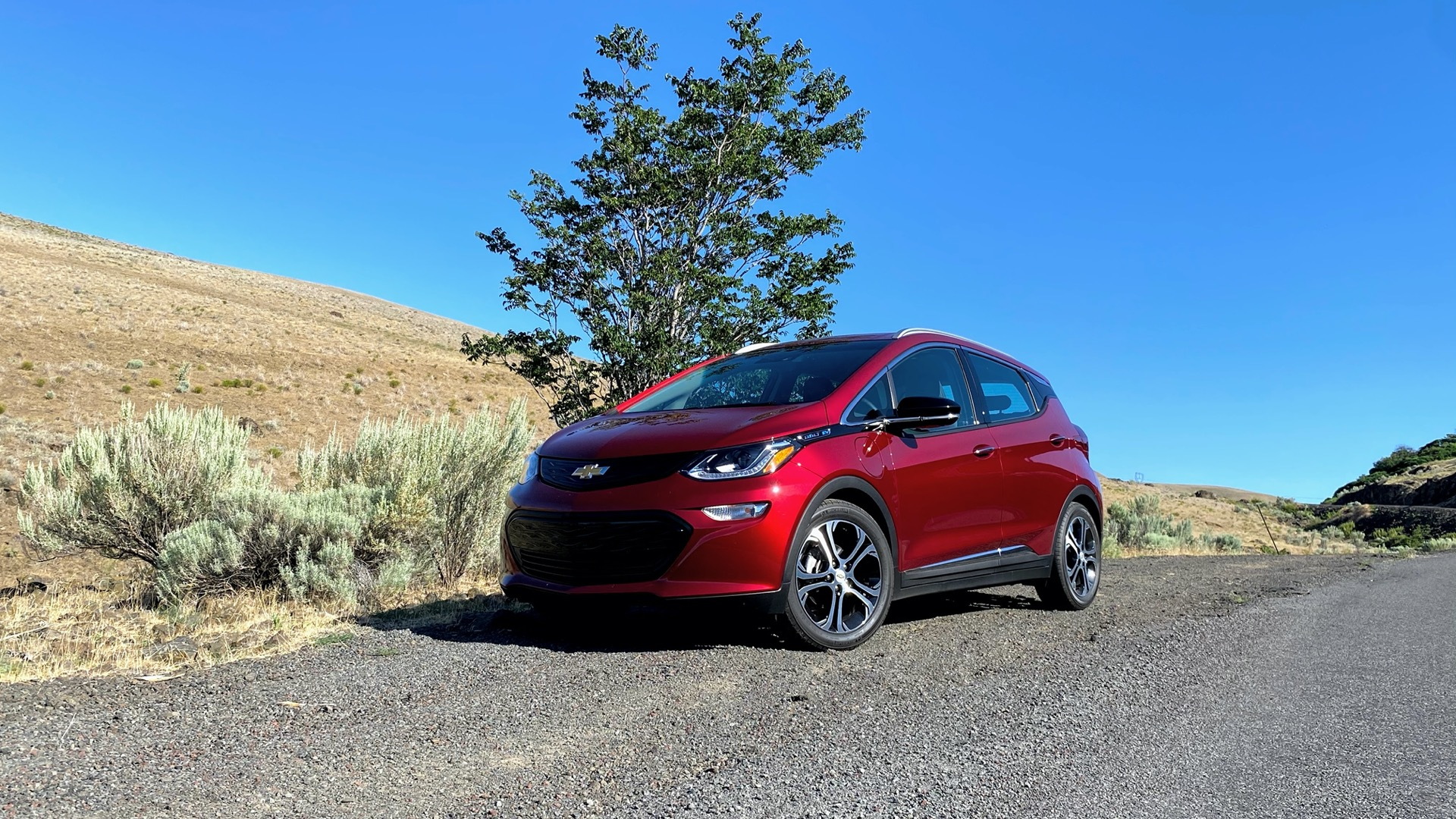
To address regenerative braking issues in the 2017 Chevrolet Bolt EV, you can follow a structured and detailed approach that includes checking various systems and connections while also considering software updates and professional assistance. Regenerative braking converts kinetic energy into electrical energy during deceleration and is crucial for maximizing battery efficiency. Here's a step-by-step guide to troubleshooting and fixing regenerative braking issues:
Check the Brake Pedal Feel and Response
- Observe any unusual changes in brake pedal sensitivity or feel, as they can impact regenerative braking performance.
- If the pedal feels spongy or overly firm, there may be an issue with the brake system affecting regenerative braking.
- Conduct a visual inspection checking for leaks or damage in the brake lines, calipers, or discs that could affect performance.
Examine Electrical Connections
- Ensure all electrical connections related to the regenerative braking system are secure. Loose connections can impair system performance.
- Inspect the high-voltage cables and connectors for signs of wear, corrosion, or damage and address any issues found.
- Check for proper insulation in wiring to avoid short circuits or interference with electronic components related to regenerative braking.
Verify Software Updates
- Contact a dealership or authorized service center to check for any software updates or recalls that might address known regenerative braking issues.
- Updating the vehicle's software can improve system performance, rectify bugs, and enhance overall regenerative braking efficacy.
- Ensure that the vehicle's firmware version is compatible with the regenerative braking system settings and configurations.
Inspect Battery Health
- Monitor the state of charge (SOC) and health of the battery, as poor battery condition can affect regenerative braking performance.
- If the vehicle's range is significantly diminished, consider conducting a professional battery health check to diagnose potential issues.
- Look for error messages or warning lights on the dashboard that may indicate battery or regenerative braking issues.
Consult Professional Services
- If the aforementioned steps do not resolve the issue, consult with a certified technician or an authorized Chevrolet service center.
- Technicians can perform comprehensive diagnostics using specialized tools to identify and correct underlying problems in the regenerative braking system.
- Discuss any unusual behaviors or patterns you've observed with the car’s braking for a more accurate diagnosis.
Explore System Calibration
- Occasionally, system calibration using professional diagnostics tools may be required to ensure optimal performance of the regenerative braking function.
- Follow specific instructions or manufacturer guidelines for calibrating braking systems after repairs or part replacements.
- Calibration can reset system variables to their correct parameters, enhancing the effectiveness of regenerative braking.
Following these steps can help address regenerative braking issues in the 2017 Chevrolet Bolt EV, maximizing efficiency and improving driving safety.