How to check and replace brake fluid on a 1968 Ford Mustang GT Fastback (Bullitt)?
Maintaining optimal brake performance is crucial for the safe operation of your 1968 Ford Mustang GT Fastback (Bullitt). Over time, brake fluid can absorb moisture and become less effective, leading …
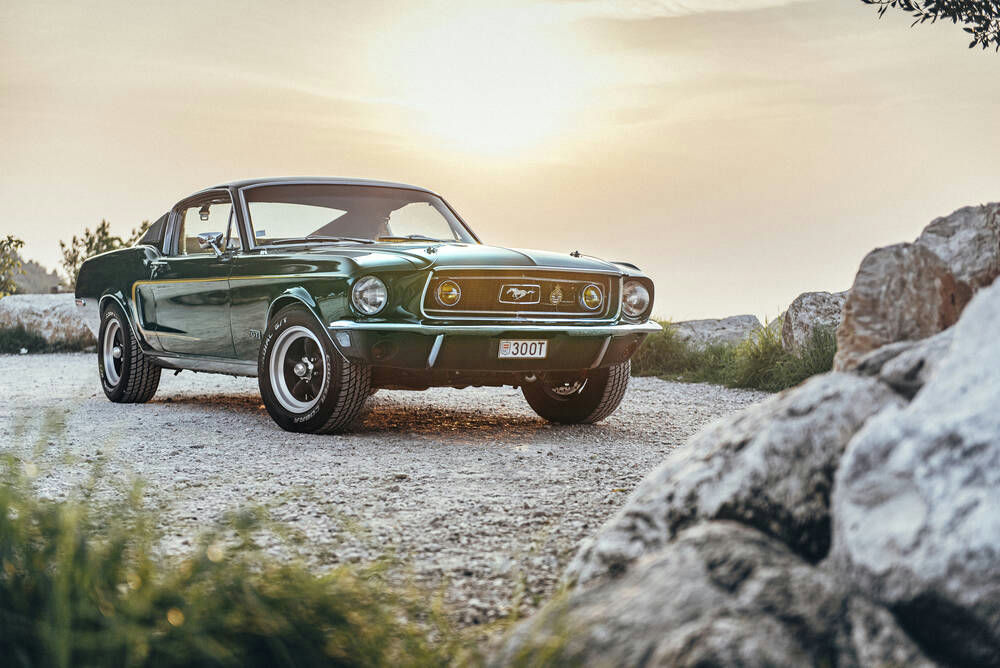
- Model
- 1968 Ford Mustang GT Fastback (Bullitt)
Maintaining optimal brake performance is crucial for the safe operation of your 1968 Ford Mustang GT Fastback (Bullitt). Over time, brake fluid can absorb moisture and become less effective, leading to spongy brake feel and potentially dangerous brake failure. If you've noticed a decline in brake performance or it's been a while since you last checked the brake fluid, it's time to inspect and potentially replace it. Here’s how to solve this issue:
Step 1: Gather Necessary Tools and Supplies
You'll need the following:
- Brake fluid (DOT 3 or DOT 4, as specified for your vehicle)
- A wrench or socket set
- A turkey baster or brake fluid syringe
- A clear container
- A funnel, if necessary
- Clean rags or paper towels
- Jack and jack stands (if you need to access the bleeder valves)
Step 2: Locate the Brake Fluid Reservoir
Open the hood of your Mustang. The brake fluid reservoir is located near the firewall on the driver's side of the engine bay. It is a translucent cylindrical container with a screw-on lid. The lid typically has "Brake Fluid" marked on it.
Step 3: Check the Brake Fluid Level
Inspect the fluid level relative to the 'MIN' and 'MAX' markings on the side of the reservoir. The fluid should be closer to the 'MAX' line. If it's below the 'MIN' line, you'll need to add brake fluid.
Step 4: Inspect the Fluid Condition
Brake fluid should be clear or slightly yellow. If it looks dark or cloudy, it needs replacing. You can use a turkey baster or a brake fluid syringe to remove a small sample for closer inspection.
Step 5: Prepare to Drain the Old Fluid
If the fluid is dark or has contaminants, it's time to replace it. Carefully use a turkey baster or brake fluid syringe to remove as much old fluid from the reservoir as possible. Dispose of the old fluid in a proper manner – do not pour it down the drain.
Step 6: Refill the Reservoir with Fresh Fluid
Pour fresh brake fluid into the reservoir using a funnel if needed, filling it up to the 'MAX' line. Ensure the fluid bottle is labeled DOT 3 or DOT 4, as required. Avoid overfilling.
Step 7: Bleed the Brake Lines
To ensure no old fluid or air remains in the brake lines, bleeding them is necessary. This usually requires a second person:
- Raise the Vehicle: Use a jack to lift the car and place jack stands under it.
- Locate the Bleeder Valves: Each brake caliper or wheel cylinder has a bleeder valve. Typically, they are located on the top or side of each caliper or cylinder.
- Bleeding Process:
- Place a clear tube over the bleeder valve and submerge the other end in a clear container partially filled with brake fluid.
- Have an assistant press and hold the brake pedal.
- Use a wrench to open the bleeder valve slightly. You should see fluid and air bubbles in the tube.
- When the fluid flow stops, close the valve before your assistant releases the brake pedal.
- Repeat until no air bubbles are visible, then move to the next wheel.
Step 8: Verify Fluid Level and Test Brakes
Check the brake fluid level again and top it off if necessary. Ensure all bleeder valves are tightly closed. Start the car and press the brake pedal to ensure a firm feel. Take a short test drive in a safe area to confirm proper brake operation.
Step 9: Clean Up
Wipe up any brake fluid spills immediately as it's highly corrosive. Dispose of rags and any leftover fluid responsibly.
Regular maintenance, including replacing old brake fluid, ensures your 1968 Ford Mustang GT Fastback (Bullitt) stays safe and reliable. Happy driving!