How to address cooling system failures in a 2019 Chevrolet Corvette C7 after prolonged high-speed driving?
Check Coolant Levels Ensure the coolant level is within the recommended range. Low coolant can lead to overheating. Inspect the coolant reservoir and radiator for any leaks or signs of damage. Inspec…
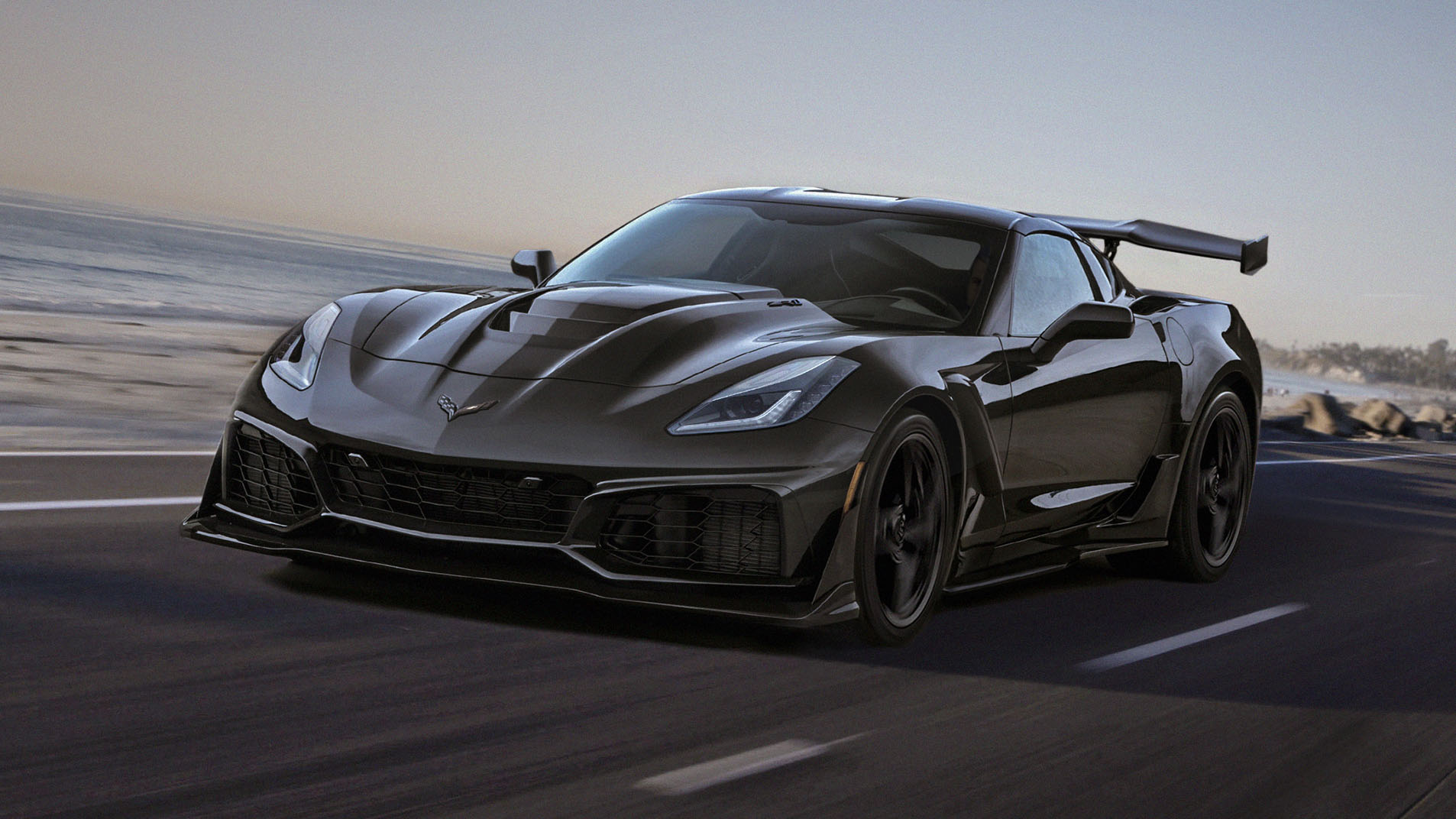
Check Coolant Levels
- Ensure the coolant level is within the recommended range. Low coolant can lead to overheating.
- Inspect the coolant reservoir and radiator for any leaks or signs of damage.
Inspect Radiator and Hoses
- Examine the radiator for any blockages, debris, or dirt that may have accumulated, especially after high-speed driving.
- Ensure that all hoses are securely attached and free of cracks or leaks.
Check Cooling Fans
- Verify that the cooling fans are functioning correctly. This can be done by allowing the engine to reach operating temperature and observing if the fans activate.
- If the fans do not turn on, inspect the fan relays, fuses, and wiring connections.
Inspect the Water Pump
- Check the water pump for any signs of leakage or unusual noises, which could indicate a failing pump.
- Ensure that the water pump is effectively circulating coolant through the system.
Check the Thermostat
- A malfunctioning thermostat can prevent coolant from flowing properly. Test the thermostat to ensure it opens at the correct temperature.
- Replace the thermostat if it's not functioning correctly.
Examine the Belts
- Inspect the serpentine belt that drives the water pump and other accessories for any signs of wear or damage.
- Replace any worn or damaged belts to prevent slippage and ensure proper operation of the cooling system.
Consider Upgrading Radiator
- If you'll be engaging in prolonged high-speed driving frequently, consider upgrading to a performance radiator designed to handle higher heat loads.
- A high-performance radiator can help maintain optimal operating temperatures even under strenuous conditions.
Regular Maintenance
- Flush and replace the coolant periodically to maintain the cooling system efficiency.
- Follow the manufacturer’s recommended maintenance schedule for all cooling system components.
Monitor Engine Temperature
- Keep an eye on the engine temperature gauge, especially after high-speed driving. If the temperature begins to rise, take proactive measures to cool the engine.
- Allow the vehicle to cool down by idling or driving at lower speeds before turning off the engine.