W8 Engine Layout: A Unique Engineering Marvel
Welcome to the fascinating world of the W8 engine layout! This unique engine design, known for its compact yet powerful configuration, has piqued the interest of car enthusiasts and engineers alike. …
- Group
- Engine Layout
History
Exploring the History and Functionality of the W8 Engine Layout
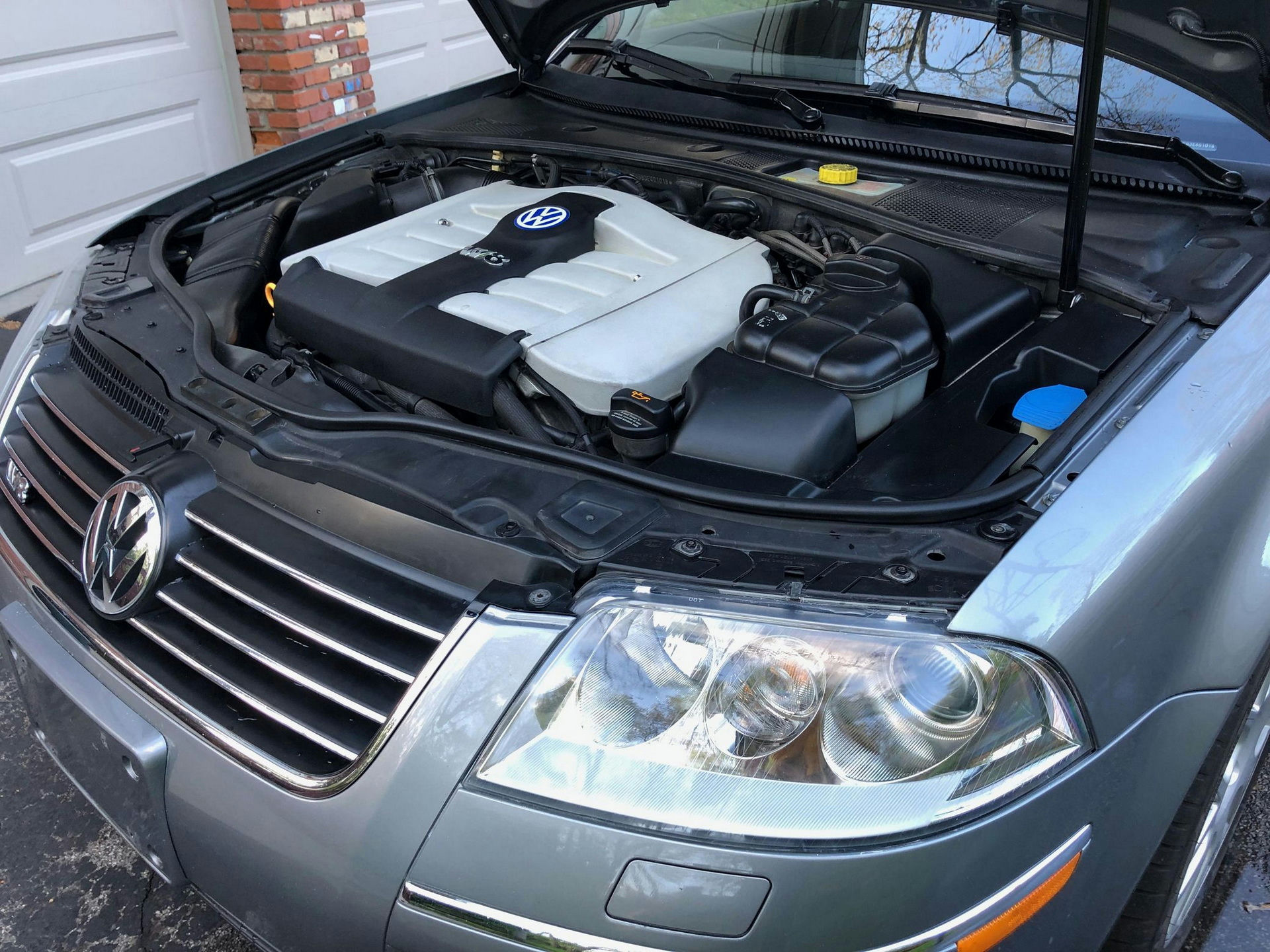
The W8 engine layout is a fascinating chapter in automotive engineering, known for its distinctive design and performance capabilities. The W8 engine was primarily developed by Volkswagen in the early 2000s, specifically for the Passat. Its name derives from the configuration of the cylinders, which are arranged in a "W" shape due to two VR4 engines combined at a narrow angle. This design aims to provide the power and smoothness of a V8 engine while maintaining a more compact size. The W8 works by utilizing two banks of four cylinders, set at 15 degrees, making it shorter than a traditional inline-four layout, which proves beneficial for engine bay space and weight distribution. While not as commonly used as other engine configurations, the W8 stands out for its ingenuity in effectively balancing performance and size.
Pros
Balanced Power Delivery
A W8 engine delivers power smoothly and consistently. Its unique design allows for better power distribution to the wheels, which can make for a more enjoyable driving experience. The stability you get can be particularly noticeable during acceleration and high-speed maneuvers, making the car feel more grounded and secure. This balance is especially appreciated in sporty and performance-focused vehicles. Plus, it improves traction in various driving conditions.
Compact Design
Despite having eight cylinders, a W8 engine is relatively compact compared to V8 engines. The W configuration means that cylinders can be arranged more closely, allowing for a more efficient use of space under the hood. This can leave more room for other components or design features, potentially making the vehicle lighter or allowing for a more spacious interior. The compact design can also help with better weight distribution within the car.
Unique Aesthetic Appeal
A car with a W8 engine often stands out due to its rarity and unique configuration. It's not something you see every day, which can be a talking point among car enthusiasts. The W8 engine often symbolizes advanced engineering and innovation, making it a desirable feature for those who appreciate automotive technology. This unique factor can even add to the resale value of the car, given its distinctiveness.
Enhanced Performance
One of the main benefits of a W8 engine is its ability to deliver high performance. The engine's configuration allows for quick acceleration and a higher top speed, making it suitable for drivers who crave excitement on the road. The power output can be more evenly spread out, providing a smoother drive under various conditions. This makes it an excellent choice for both city driving and long road trips. The overall drivability and performance of the vehicle can be significantly enhanced.
Fuel Efficiency
Surprisingly, a W8 engine can be more fuel-efficient compared to some other eight-cylinder configurations. The compact design and balanced power delivery mean the engine can run more efficiently, especially at higher speeds or under heavy load. This can result in better gas mileage and fewer trips to the pump, saving money in the long run. However, it's essential to consider driving habits and conditions, as they will also impact fuel economy.
Cons
Weight and Complexity
The W8 engine is heavier and more complex than traditional engine layouts. This can result in higher costs for repairs and servicing.
Fuel Efficiency
Fuel efficiency is often lower with a W8 engine compared to a more conventional V6 or inline-4. This could mean more frequent trips to the gas station.
Maintenance Costs
Maintenance for a W8 engine can be more expensive due to the specialized parts and knowledge required. Not every mechanic is experienced with this engine type.
Limited Availability
There are fewer vehicles on the market with W8 engines. This can make finding replacement parts and skilled mechanics more difficult.
Size and Space
The W8 engine takes up more space under the hood, which can limit the room available for other components. This could also impact the design and layout of the vehicle.
Weight and Complexity
The W8 engine's intricate design can make it a challenge to service. Its higher weight may also affect the vehicle's overall balance and handling. While this engine type offers unique performance characteristics, these perks come at the cost of increased complexity and potential service headaches.
Examples
The W8 engine layout is relatively rare in the automotive world, primarily because it's quite complex and typically more costly to produce than more conventional engine designs like inline or V configurations. However, there are notable instances where this engine configuration has been employed, illustrating both its unique advantages and the challenges that come with it.
Volkswagen Passat W8
One of the most prominent examples of the W8 engine layout in a production car is found in the Volkswagen Passat W8. Introduced in the early 2000s, this vehicle sought to differentiate itself within the mid-size sedan market by offering an unconventional powerplant. The W8 engine in the Passat delivered a unique blend of compactness and performance, fitting neatly within the confines of the engine bay while providing a satisfying level of power and torque. Despite these benefits, the Passat W8 was not a huge commercial success, partly due to its higher cost and the complexity of maintenance.
Limited Adoption Beyond Volkswagen
Beyond Volkswagen, the W8 layout has not seen widespread adoption by other manufacturers in mass-produced vehicles. The primary reason is that most carmakers have typically leaned towards more cost-effective and simpler engine designs. Moreover, technological advancements in turbocharging and hybrid technology have allowed carmakers to extract high performance from more standard engine designs without the need for the complexities of a W8 layout.
Engineering Interest
While not widely used, the W8 layout's compact dimensions and ability to produce respectable power make it an interesting study in engineering. For instance, in supercars or hypercars where space efficiency and optimal weight distribution are paramount, such an engine configuration might offer an edge. It can be seen as a bridge between V8 engines, with their naturally larger sizes, and more compact layouts that usually compromise on power.
Summary
In summary, the application of the W8 engine layout is quite limited and confined to a few niche markets. Its real-life example in the Volkswagen Passat W8 shows both its potential and limitations. While not many vehicles utilize this engine type, it remains a noteworthy engineering solution that takes specific applications into account, notably those requiring a balance between power output and spatial efficiency.