W12 Engine Layout: Unraveling Its Unique Engineering Secrets
The W12 engine layout is a marvel of modern engineering that has piqued the interest of car enthusiasts and professionals alike. In this article, we'll dive into the history of the W12 engine, explor…
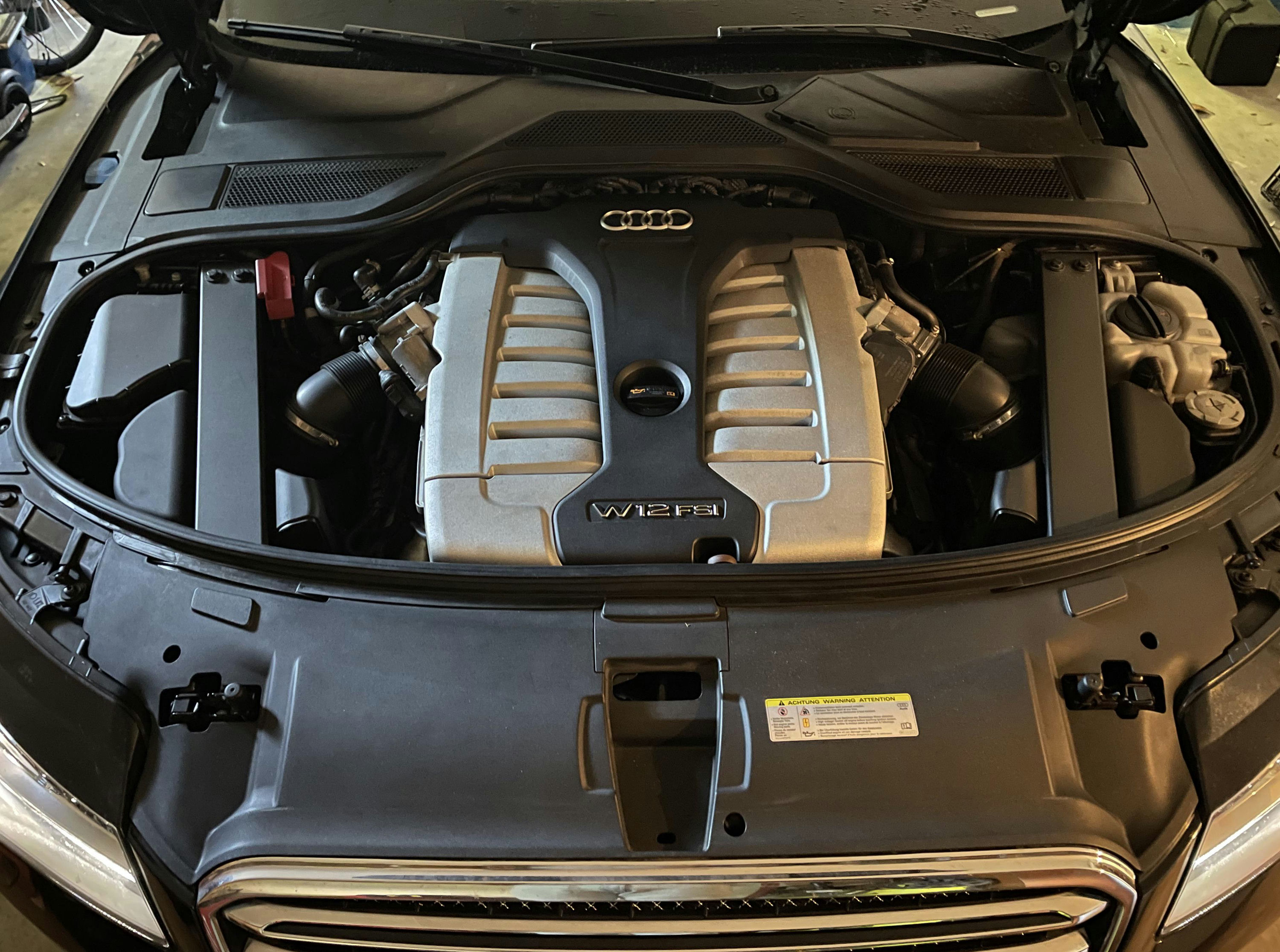
Group: Engine Layout
The W12 engine layout is a marvel of modern engineering that has piqued the interest of car enthusiasts and professionals alike. In this article, we'll dive into the history of the W12 engine, explore its various pros and cons, and look at some notable vehicles that feature this unique configuration. From luxury sports cars to high-performance vehicles, the W12 engine promises both intrigue and innovation. Buckle up, as we take a closer look at what makes the W12 engine layout so special.
Join the AutoFame community. Become a member for free, add your car to the garage and tell its story. Join AutoFame.
History
Unraveling the History and Mechanics of the W12 Engine Layout
The W12 engine layout, a remarkable piece of automotive engineering, first saw the light of day in the minds of designers looking to combine power and compactness. Emerging in the late 1990s, this unique engine configuration, which involves three banks of four cylinders arranged in a 'W' shape, provides the benefits of a twelve-cylinder engine while maintaining a more compact design compared to conventional V12 engines. This layout is particularly favored in high-performance vehicles such as Bentleys and some Audis due to its ability to produce immense power while fitting within tighter engine bays. The W12 works by merging two narrow-angle V6 engines onto one crankshaft, creating a synthesis of power that is both smooth and robust. This design not only enhances the performance but also ensures a balanced distribution of weight, making it a fascinating example of automotive innovation.
Pros
Compact Design
The W12 engine’s unique configuration allows it to be more compact than a V12 engine. This means it can fit into the same space as smaller engines without sacrificing power. For the driver, this compactness can translate to better weight distribution and improved handling. It’s a win when you want a powerful engine without compromising on the vehicle’s balance and driving dynamics.
Smooth Power Delivery
One of the standout qualities of a W12 engine is its ability to deliver smooth, consistent power. This leads to a more refined driving experience, especially at higher speeds. The reduction in vibration and noise can make long drives more enjoyable and less fatiguing. It’s a subtle yet significant benefit, enhancing overall comfort behind the wheel.
Impressive Horsepower
W12 engines are known for their high horsepower output. This allows for rapid acceleration and top-end speed, which can be very satisfying for those who relish performance driving. Whether you’re merging onto the highway or overtaking, having that extra power can make a big difference. It's not just about speed; it's about the confidence and control that comes with it.
Unique Sound Profile
The W12 engine has a distinctive sound that can be quite appealing to car enthusiasts. The growl of a W12 is a blend of power and refinement, offering an auditory experience that sets it apart from more common engines. For drivers who appreciate car acoustics, this unique sound can make the driving experience more engaging. It’s the kind of detail that adds personality to your vehicle.
Engineering Prestige
Driving a car with a W12 engine can be a badge of honor. These engines are often found in high-end, luxury vehicles, which speaks to their engineering sophistication. For many drivers, owning such a car can be about more than just transportation; it's about the pride and prestige associated with cutting-edge automotive technology. It’s an intangible benefit, but a real one nonetheless.
Balanced Performance
The design of the W12 engine allows for a good balance between performance and efficiency. While it might not be as fuel-efficient as smaller engines, it often provides a better balance of power and smoothness compared to some other high-performance engines. This balance can mean fewer compromises for the driver, offering a versatile driving experience. It’s a case of getting the best of both worlds in many respects.
Cons
Fuel Efficiency
A W12 engine typically consumes more fuel compared to smaller engines. This isn't surprising given its larger displacement and higher power output. For drivers concerned about fuel economy, a W12 might not be the ideal choice. This can add up quickly, especially for daily drivers.
Maintenance Costs
The complexity of the W12 engine often translates to higher maintenance costs. With more cylinders and intricate engineering, servicing this type of engine often requires specialized knowledge and parts. This can make regular maintenance and potential repairs more costly and time-consuming.
Weight and Handling
W12 engines are generally heavier than their counterparts. This extra weight can affect the vehicle's handling and agility, especially in quick maneuvers. Drivers seeking a nimble, responsive car might find this a significant drawback.
Space Constraints
The size of a W12 engine leaves less room for other components in the engine bay. This can make additional mechanical work more challenging and limit the car's overall design flexibility. For those who frequently pop the hood for DIY work, this can be a noticeable inconvenience.
Environmental Impact
A larger engine like the W12 typically produces more emissions. This can be a concern for drivers who are environmentally conscious or who live in areas with strict emission regulations. Increased emissions can also impact the vehicle's overall environmental footprint.
Have a car with a story like this? Become an AutoFame member and share it with people who love cars as much as you do.
Despite these drawbacks, the W12 engine does offer advantages in terms of power and performance. It delivers a smooth, powerful drive that can be exhilarating for those who appreciate high-performance vehicles. While the trade-offs are significant, they may be worth it for drivers prioritizing speed and luxury.
Examples
The W12 engine layout has seen some fascinating applications in the automotive world, especially among high-performance and luxury vehicles.
One of the most iconic applications is in the Bentley Continental GT series. These grand tourers use a 6.0-liter twin-turbocharged W12 engine, providing smooth, effortless power. The W12 in the Continental GT delivers impressive acceleration and a refined driving experience, fitting the brand's focus on luxury and performance.
Similarly, the Bentley Bentayga, a luxury SUV, also features a W12 engine option. The Bentayga uses the same 6.0-liter twin-turbo W12, tailored for off-road capability without compromising the opulence Bentley is known for. The engine offers substantial torque and power, making the Bentayga one of the fastest and most powerful SUVs on the market.
Another notable example is the Volkswagen Phaeton. Although less widely recognized, the Phaeton aimed to compete in the high-end luxury sedan market. It came with an option for a 6.0-liter W12 engine, which provided a unique blend of power and comfort. While the Phaeton was not a massive commercial success, its use of the W12 showcased Volkswagen's engineering capabilities and intention to penetrate the luxury market.
Audi also dipped into the W12 configuration for their flagship model, the Audi A8. The A8 W12 Quattro offered a 6.3-liter W12 engine, focusing on providing a plush, high-performance ride. The engine's smooth delivery and substantial power made the A8 a worthy competitor in the executive sedan segment, appealing to those who desired both luxury and performance.
The Bugatti Veyron is another spectacular example of the W12's application, although in a more extreme form. The Veyron's powerplant is essentially two V8 engines joined in a W configuration, resulting in a 16-cylinder layout. While technically a W16, it shares architectural similarities with the W12 and showcases the potential for complex engine configurations in hypercars.
These real-life examples highlight the versatility of the W12 engine layout. From luxury sedans to high-performance SUVs and hypercars, the W12 engine has proven its ability to deliver power smoothly and efficiently. While not the most common engine configuration due to its complexity and cost, the W12 finds its niche in vehicles that prioritize a blend of performance, luxury, and refinement.
About AutoFame
AutoFame is a home for people who love cars and the stories behind them. Every car on a show field or in a garage has a history: who built it, who saved it, the road trips, the late nights in the shop and the people who helped along the way. AutoFame gives those stories a place to live, so they are not lost when the hood closes or the car changes hands.
Membership is free. Once you join, you can add your car to your own AutoFame garage with photos, specs and the story only you can tell. Restorations, survivors, daily drivers, race cars and family heirlooms all belong here. Other members can find your car, follow its progress and connect with you over the details that matter to car people.
Beyond member garages, AutoFame publishes stories, guides and features on the cars, builders and history that shape car culture. You will find buying and restoration guides, car parts explainers, special editions, the newest models and the classics that started it all. The AutoFame Gallery puts member cars on display for anyone to browse, and the AutoFame YouTube channel adds owner interviews, show highlights and the conversations that happen around a good car.
AutoFame is also built for the people who run car shows. Organizers use it to manage entries and judging, and judges score each car category by category on their phones, with a written guide for every category so nothing gets skipped. After a judged show, owners can see what their car was scored on and how it compared. Shows across the Texas Gulf Coast have run on AutoFame, including the Moody Gardens Car Show in Galveston, Good Grub and Gears, and Keels and Wheels at Lakewood Yacht Club.
AutoFame was founded by Kevin Brady, whose own life in cars began long before he started building tools for the hobby. The idea is simple: the people who love these cars should have one place to share them, learn from each other and keep the stories going.
Whether you own a show winner, a project that is still in pieces or simply love reading about great cars, there is room for you here.
Be part of the AutoFame community. Join free and become a member today.