V6 Engine Layout: Balance of Power and Efficiency
The V6 engine layout is a powerhouse that strikes a balance between performance and efficiency, making it a popular choice among automotive enthusiasts and everyday drivers alike. In this article, we…
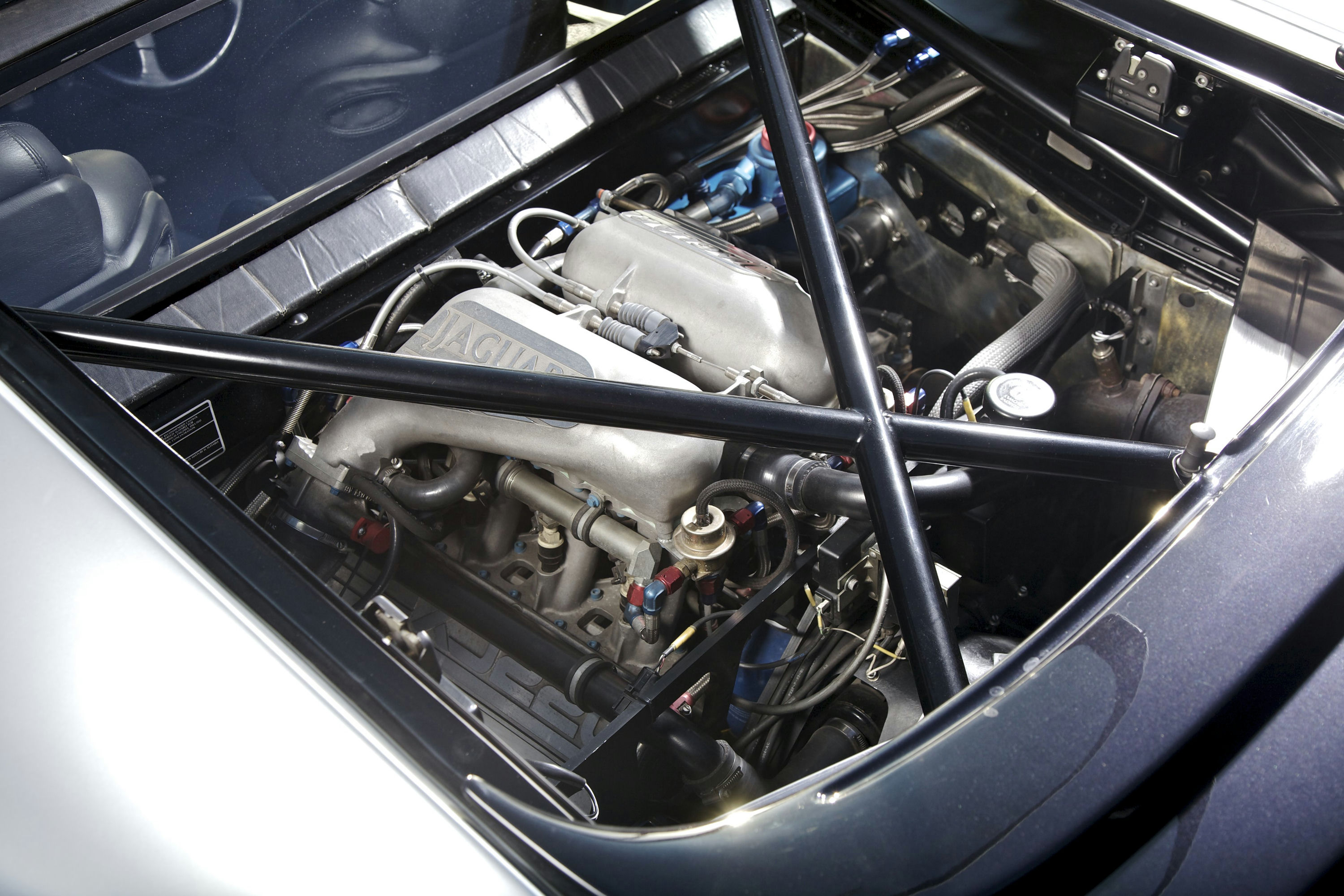
Group: Engine Layout
The V6 engine layout is a powerhouse that strikes a balance between performance and efficiency, making it a popular choice among automotive enthusiasts and everyday drivers alike. In this article, we'll dive into the captivating history of the V6, explore its key advantages and drawbacks, and highlight some iconic vehicles that feature this engine configuration. Whether you're a car aficionado or simply curious about the mechanics under the hood, this comprehensive guide will provide a well-rounded understanding of the V6 engine's role in modern automotive design.
Join the AutoFame community. Become a member for free, add your car to the garage and tell its story. Join AutoFame.
History
Exploring the History and Utility of the V6 Engine Layout
The V6 engine layout traces its origins back to the early 1900s, when engineers were exploring ways to balance power and efficiency in a compact design. Known for its distinctive "V" shape, the V6 configuration consists of six cylinders arranged in two banks of three, connected by a common crankshaft. This layout is celebrated for its ability to deliver smooth, balanced performance while maintaining a relatively small footprint, making it a popular choice for a wide range of vehicles, from family sedans to high-performance sports cars. By alternating the firing of cylinders, the V6 engine offers a seamless power delivery, reducing vibrations and enhancing driving comfort. Its design allows automakers to achieve a more efficient use of space under the hood, leading to better aerodynamics and vehicle packaging. Thus, the V6 engine remains a versatile and practical option in the automotive industry.
Pros
Smoothness And Balance
The V6 engine layout offers a balanced design that minimizes vibrations and promotes smoother operation. This leads to a more comfortable driving experience, especially on long trips or daily commutes.
Compact Size
A V6 engine can fit into smaller spaces compared to larger engines like a V8. This makes it suitable for a variety of vehicles, from sedans to SUVs, without sacrificing cabin space for passengers and cargo.
Power-To-Weight Ratio
V6 engines often provide a good balance between power and weight. This means the vehicle can accelerate efficiently without being overly heavy, contributing to better fuel economy and agility.
Fuel Efficiency
Typically, V6 engines offer better fuel efficiency compared to V8 engines. While not as economical as a four-cylinder, the V6 strikes a balance between power and fuel consumption, making them suitable for drivers who need both.
Versatility
V6 engines are versatile and can support a range of driving styles and conditions. Whether you're looking for a smooth city commute or the power to tow a small trailer, a V6 engine can often handle it all.
Cost-Effectiveness
Compared to specialized or high-performance engines, V6 engines can be more affordable to maintain and repair. They balance advanced engineering with mass production, making parts more accessible and less expensive.
Towing Capabilities
While not as powerful as V8 engines, V6 engines still offer decent towing capabilities. This can be a great option for those who occasionally need to tow smaller loads without the need for a heavy-duty vehicle.
Cons
Fuel Efficiency Concerns
V6 engines typically consume more fuel compared to four-cylinder engines. This is due to their increased displacement and power output. While providing more horsepower, V6 engines tend to have higher fuel consumption, making them less economical for daily commutes or long-distance drives.
Increased Emissions
Given their larger size and higher power, V6 engines often produce more emissions than smaller engines. This can contribute to a higher environmental impact. Emission levels are a crucial factor to consider, especially with stringent environmental regulations in some areas.
Higher Maintenance Costs
A V6 engine is more complex than a four-cylinder engine, which can lead to higher maintenance costs. The additional components and intricacies mean that repairs can be more labor-intensive and expensive in terms of parts. Regular maintenance, such as oil changes and belt replacements, also tend to cost more.
Insurance Rates
Vehicles with V6 engines can have higher insurance rates due to their increased power and speed. Insurance companies may consider them to be higher risk, leading to increased premiums. This added cost can be a significant factor for budget-conscious drivers.
Space Constraints
V6 engines take up more space under the hood compared to smaller engines. This can limit room for other components and make some maintenance tasks more difficult. It also can affect vehicle design, leading to compromises in other areas such as cabin or trunk space.
Handling and Weight
The extra weight of a V6 engine can impact the car's handling and performance. It may lead to a heavier front end, which can affect steering and balance. While providing more power, the additional weight can be a trade-off in terms of maneuverability and overall driving dynamics.
Initial Purchase Price
Cars equipped with V6 engines are often more expensive upfront compared to their four-cylinder counterparts. This initial cost can be a deterrent for buyers looking for an affordable option. The higher price can be attributed to the increased power and additional engineering involved in the V6 layout.
Not Always Necessary
For everyday driving or city commutes, the power provided by a V6 engine can be overkill. Many drivers may not utilize the full capabilities of a V6, making it an unnecessary choice. A smaller, more fuel-efficient engine might suffice for their regular driving needs, offering a better balance of costs and benefits.
Examples
The V6 engine layout has found its place under the hoods of a diverse range of cars, from family sedans to high-performance sports cars.
Have a car with a story like this? Become an AutoFame member and share it with people who love cars as much as you do.
Mid-Sized Sedans
One of the most common applications of the V6 engine is in mid-sized sedans like the Toyota Camry. The Camry's V6 offers a good balance of power and efficiency, making it a popular choice among commuters and families who want a bit more oomph without sacrificing too much fuel economy.
Full-Size Sedans
Another prime example is the Chevrolet Impala. This full-size sedan benefits from the V6's smooth power delivery and robust torque, providing a comfortable yet responsive driving experience. The V6 in the Impala allows for easy highway cruising and confident passing maneuvers, which is crucial for a vehicle in this category.
SUVs
In the world of SUVs, the Ford Explorer often comes equipped with a V6 engine. Given that SUVs are built to haul more weight and sometimes go off-road, the V6 offers the necessary power and durability. This vehicle sees its V6 engine providing ample horsepower and torque, which is particularly useful when towing or carrying a full load of passengers and cargo.
Luxury Vehicles
For those looking at luxury vehicles, the Lexus RX stands out. This mid-size luxury SUV also employs a V6, offering a refined and quiet ride while ensuring there's enough power for a spirited drive. The V6 engine here is tuned to emphasize smoothness and quiet operation, aligning well with this vehicle's premium positioning.
Sports Cars
Sports cars haven't shied away from utilizing V6 engines either. Take the Nissan 370Z, for instance. The V6 in this two-seater coupe provides thrilling performance with its high-revving nature and impressive output. It allows the 370Z to offer an engaging driving experience with sharp acceleration and nimble handling.
Compact Luxury Sports Sedans
Moving into the high-end spectrum, the Audi S4 employs a turbocharged V6. This compact luxury sports sedan benefits significantly from the V6 configuration, delivering a potent blend of performance, handling, and luxury. The forced induction on the V6 engine allows it to produce higher power without increasing the weight substantially, thus maintaining the vehicle’s agility.
Pickup Trucks
Lastly, even pickup trucks like the Ford F-150 use V6 engines. The 3.5-liter EcoBoost V6 found in the F-150 is a great example of how turbocharging can enhance a V6 engine's power and efficiency, making it capable of handling heavy-duty tasks while still being relatively fuel-efficient for its class.
Each of these applications demonstrates the versatility of the V6 engine layout. Whether it's providing smooth power in family sedans, muscular performance in SUVs, or thrilling acceleration in sports cars, the V6 engine has proven to be a highly adaptable and widely appreciated choice.
About AutoFame
AutoFame is a home for people who love cars and the stories behind them. Every car on a show field or in a garage has a history: who built it, who saved it, the road trips, the late nights in the shop and the people who helped along the way. AutoFame gives those stories a place to live, so they are not lost when the hood closes or the car changes hands.
Membership is free. Once you join, you can add your car to your own AutoFame garage with photos, specs and the story only you can tell. Restorations, survivors, daily drivers, race cars and family heirlooms all belong here. Other members can find your car, follow its progress and connect with you over the details that matter to car people.
Beyond member garages, AutoFame publishes stories, guides and features on the cars, builders and history that shape car culture. You will find buying and restoration guides, car parts explainers, special editions, the newest models and the classics that started it all. The AutoFame Gallery puts member cars on display for anyone to browse, and the AutoFame YouTube channel adds owner interviews, show highlights and the conversations that happen around a good car.
AutoFame is also built for the people who run car shows. Organizers use it to manage entries and judging, and judges score each car category by category on their phones, with a written guide for every category so nothing gets skipped. After a judged show, owners can see what their car was scored on and how it compared. Shows across the Texas Gulf Coast have run on AutoFame, including the Moody Gardens Car Show in Galveston, Good Grub and Gears, and Keels and Wheels at Lakewood Yacht Club.
AutoFame was founded by Kevin Brady, whose own life in cars began long before he started building tools for the hobby. The idea is simple: the people who love these cars should have one place to share them, learn from each other and keep the stories going.
Whether you own a show winner, a project that is still in pieces or simply love reading about great cars, there is room for you here.
Be part of the AutoFame community. Join free and become a member today.