V16 Engine Layout: Power and Prestige Redefined
The V16 engine layout is a marvel of automotive engineering that promises unparalleled power and sophistication. In this article, we'll dive into the rich history of the V16, its standout advantages,…
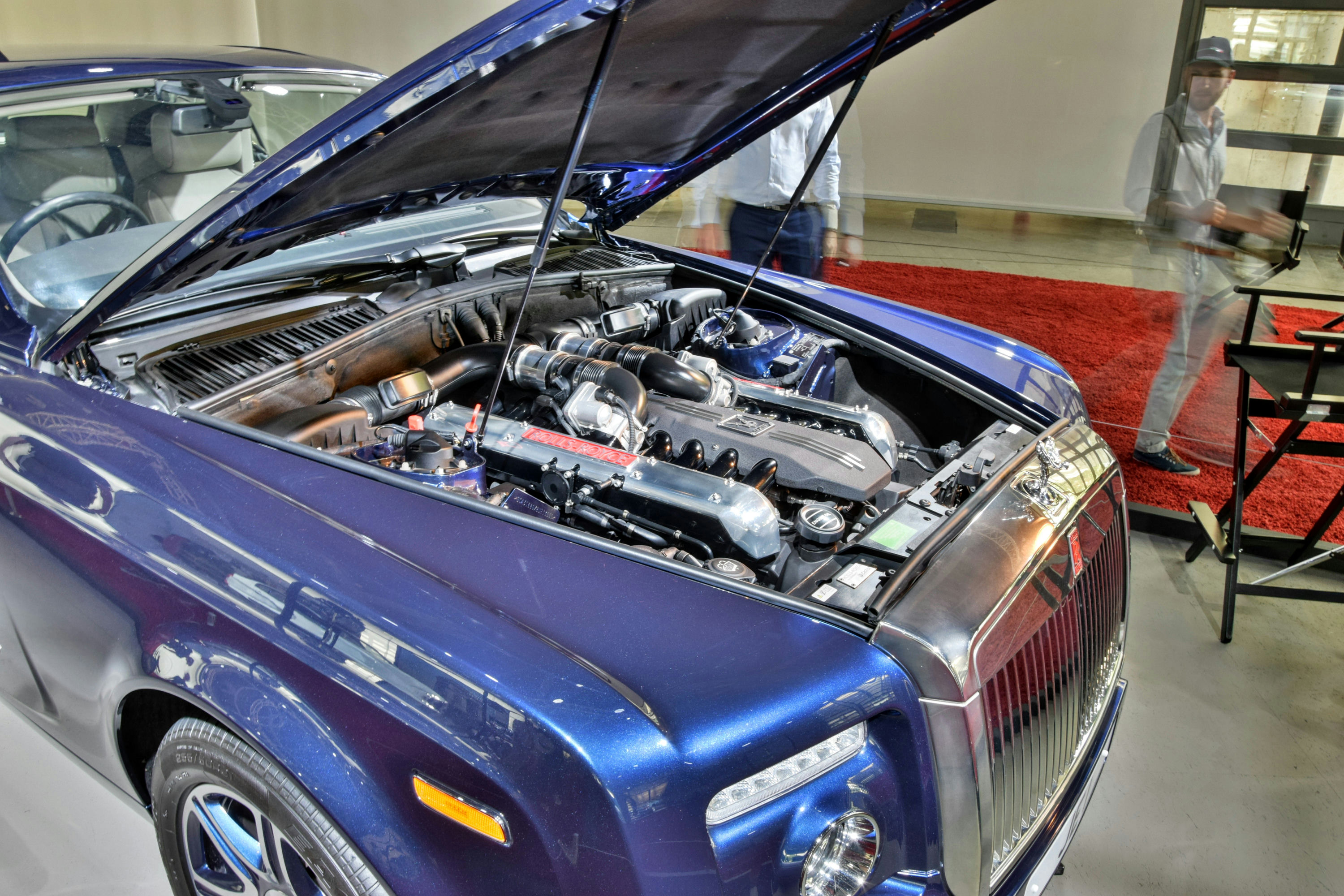
- Group
- Engine Layout
History
The Legacy and Functionality of the V16 Engine Layout
The V16 engine layout, a marvel in automotive engineering, traces its roots back to the early 20th century, a time when manufacturers sought to push the boundaries of power and performance. Originally designed for luxury automobiles and high-performance vehicles, the V16 engine boasts sixteen cylinders arranged in two banks of eight, forming a "V" shape. This configuration allows for a smoother, more balanced operation with less vibration, making it ideal for applications that require both power and refinement. The V16 layout operates by having each cylinder contribute to a portion of the engine's power cycle, resulting in a potent and efficient power output, albeit with increased complexity and greater fuel consumption. While not commonly used in today's market due to advancements in engine technology, the V16 remains an icon in automotive history, symbolizing a bygone era of unbridled engineering ambition.
Pros
Unmatched Smoothness and Refinement
The V16 engine layout delivers an exceptionally smooth and refined driving experience due to its balanced design. With more cylinders firing at a time, power delivery becomes incredibly fluid, minimizing vibrations and harshness you might feel in less cylinder-dense engines. This makes for a more comfortable ride, especially on long trips. However, this doesn't mean it's immune to mechanical issues; more moving parts mean more potential points of failure.
High Power Output
A V16 engine can produce an impressive amount of power and torque, making it a desirable choice for performance enthusiasts. The sheer number of cylinders allows for a significant increase in displacement, which translates to more power. This is especially beneficial for high-performance or luxury vehicles that demand strong acceleration and high top speeds. On the flip side, the increased power and complexity can make these engines more challenging and expensive to maintain.
Superior Engine Balance
Having 16 cylinders often results in better inherent balance compared to engines with fewer cylinders. This balance leads to less internal stress on engine components, which can potentially extend the lifespan of the engine when maintained properly. The reduction in vibrations also contributes to a quieter cabin, improving overall driver comfort. However, achieving this balance requires meticulous engineering, which can drive up costs.
Prestige and Exclusivity
Driving a vehicle with a V16 engine can give an added sense of prestige and exclusivity. These engines are rare and often reserved for the highest-end luxury and performance cars. Owning a car with such a complex and powerful engine can be a status symbol, setting you apart from the crowd. But, the rarity also means parts and knowledgeable mechanics might be harder to find, adding to maintenance challenges.
Increased Stability and Grip
The weight of a V16 engine can contribute to increased stability and traction. This is particularly helpful for large, powerful luxury cars that need to maintain control at high speeds. Enhanced stability can make the vehicle feel more planted and secure on the road. However, the additional weight can also negatively impact fuel efficiency and handling agility.
Cons
Heavy Weight
High Fuel Consumption
Complex Maintenance
Limited Space Availability
Excessive Heat Generation
High Manufacturing Costs
Low Production Numbers
Pros of a V16 Engine Layout: Remarkable Power Output
A V16 engine layout shines in terms of power output. This engine configuration can deliver unparalleled levels of horsepower and torque, making it ideal for performance-oriented vehicles. Enhanced power ensures superior acceleration and top speeds, which can be very satisfying for driving enthusiasts. However, the benefits in power may not always outweigh the practical drawbacks for everyday use. For specialized applications, this kind of engine might be exactly what you need.
Examples
When we talk about V16 engines in the real world, we're treading rare and elite territory. This engine layout isn't very common, but a few notable examples stand out, mostly from the realms of luxury and performance vehicles.
Classic Examples of V16 Engines
One prominent vehicle that used a V16 engine is the Cadillac V-16, produced from 1930 to 1940. This car was a symbol of luxury and power during the Great Depression, aimed at the wealthiest consumers. The Cadillac V-16 was both smooth and powerful and is still regarded as a hallmark of automotive engineering from that era.
Another interesting application is found in the pre-war era through the Hispano-Suiza H6C "Tulipwood" Torpedo. Hispano-Suiza, a Spanish luxury car manufacturer, showcased V16 engines in some of their most lavish designs. These vehicles were groundbreaking at the time for their blend of performance and luxury, and they remain highly collectible today.
Motorsport and High-Performance Applications
In the world of motorsport, one cannot overlook the BRM Type 15. British Racing Motors (BRM) developed this vehicle with a V16 engine specifically for Formula One racing in the early 1950s. The engine design was incredibly ambitious for its time, aiming to deliver high performance on the track. However, it faced several operational challenges and didn't achieve the success envisioned.
Modern Examples and Concepts
In more modern times, a notable concept was the Cizeta-Moroder V16T, a supercar unveiled in 1988. The V16T was developed by an Italian company, and what set it apart was not just its powerful engine but also its unique transverse layout. While it didn't achieve major commercial success, the car remains a fascinating chapter in automotive history.
Luxury Automotive Competition
The Marmon Sixteen is another luxury car from the early 1930s. Marmon was one of Cadillac’s direct competitors during that era, offering a V16 powerplant meant to provide silky-smooth performance. This marked Marmon's attempt to establish itself firmly in the luxury market, although the economic depression of the time posed significant challenges.
Lastly, we have the Bugatti Galibier 16C concept car revealed in 2009. Although this model never made it to mass production, it was a showcase for what Bugatti envisioned as the pinnacle of luxury and performance, using a quad-turbocharged V16 engine.
Summary
In summary, V16 engines are not just rare but also a testament to automotive ambition and engineering prowess. They have mostly been used in luxury cars and racing vehicles, designed for those who demand nothing but the finest in performance and exclusivity. Whether in classic Cadillac limousines or futuristic Bugatti concepts, the V16 engine layout remains a symbol of unmatched power and refinement.