Ute Body Style: Versatile Design with a Rich History
The Ute body style, a vehicle design that blends the utility of a truck with the comfort of a car, offers a unique driving experience. Known for its versatility and practicality, the Ute has a rich h…
Group: Body Style
The Ute body style, a vehicle design that blends the utility of a truck with the comfort of a car, offers a unique driving experience. Known for its versatility and practicality, the Ute has a rich history, dating back to the 1930s, mostly popular in Australia but with a growing fanbase worldwide. In this article, we'll dive into the history of the Ute, explore its pros and cons, and look at some iconic vehicle examples where the Ute body style has been put to the test. Whether you're a car enthusiast or simply curious, this guide will give you a well-rounded understanding of what makes the Ute so special.
Join the AutoFame community. Become a member for free, add your car to the garage and tell its story. Join AutoFame.
History
The Versatile Heritage of the Ute Body Style
The Ute, short for "utility," traces its roots back to 1930s Australia, where it emerged as a uniquely versatile vehicle blending the passenger comfort of a sedan with the practicality of a pickup. Initially crafted to meet the needs of farmers who wanted a vehicle sturdy enough to haul livestock yet refined enough for Sunday church, the Ute body style has since evolved into a global symbol of adaptability and rugged utility. Designed with an integrated cab and cargo bed, the Ute is celebrated for its seamless operation in both urban and rural settings. It allows for a variety of tasks from transporting tools to serving as a reliable go-to for leisure activities. Its enduring appeal lies in its dual-purpose functionality, which continues to offer an ideal balance between everyday usability and workhorse reliability.
Pros
Versatile Utility
A Ute body style combines elements of a car and a truck, offering a versatile vehicle that can be used for various purposes. Whether you need to transport goods or take a family trip, it adapts to different needs with ease. This flexibility makes it a practical choice for a wide range of drivers.
Spacious Cargo Area
One of the main attractions of a Ute is its large, open cargo area. This space can accommodate bulky items that wouldn't fit in a regular car's trunk. Whether hauling work equipment, camping gear, or moving furniture, the expansive cargo area provides ample room for various needs.
Towing Capability
Utes often come with impressive towing capacities, making them suitable for pulling trailers, boats, or other heavy loads. This capability adds significant utility for those who need to tow on a regular basis, providing a reliable option for both personal and professional use.
Off-Road Capability
Many Utes are designed with off-road features, such as higher ground clearance and robust suspension systems. This makes them suitable for rough terrains and rural areas, giving drivers the capability to venture off the beaten path when needed.
Comfortable Ride
Despite their utility-focused design, Utes often offer a comfortable ride similar to that of a car. Modern Utes come equipped with features like cushioned seats and advanced suspension systems, ensuring that both short and long trips are enjoyable for the driver and passengers.
Cons
Limited Passenger Capacity
A Ute typically features a cabin that seats only two to three passengers. This can impose limitations on family trips or outings with friends and can be a dealbreaker for those who need more passenger space on a regular basis.
Exposure of Cargo to Elements
The open bed design of a Ute leaves your cargo exposed to the weather. Rain, snow, and extreme sunlight can damage goods, leading to potentially costly repairs or replacements. Additional accessories, like bed covers, can mitigate this, but they often come at an extra cost.
Reduced Security for Cargo
Items in the open bed of a Ute are more susceptible to theft. While you can add locking covers or storage boxes, this issue remains a concern for those who frequently carry valuable tools or equipment. Keeping cargo secure often requires additional investments.
Rough Ride Quality
Utes are generally built with a focus on utility over comfort. The suspension design prioritizes load-carrying capability, which can result in a stiffer, less comfortable ride, especially when the vehicle is unloaded. This can be a significant drawback for long-distance driving.
Higher Maintenance Costs
Due to their dual nature, combining traits of a truck and a sedan, Utes often have more complex mechanical systems. This can result in higher maintenance costs over time. Regular inspections and potential repairs can be more frequent compared to standard sedans or trucks.
Limited Versatility
While Utes offer a good compromise between a sedan and a truck, they may not excel in either category. They might not have the same towing capacity as a truck or the same level of comfort and maneuverability as a sedan. This limitation can make it challenging for drivers looking for a vehicle that can effectively serve both purposes.
Fuel Efficiency Concerns
Utes often have larger engines that prioritize power and towing capacity over fuel efficiency. This can result in higher fuel consumption compared to more fuel-efficient sedans or smaller SUVs. For those looking to cut down on fuel costs, this can be a notable disadvantage.
Parking Challenges
The larger size of Utes can make parking in tight urban areas more challenging. Maneuvering and finding suitable parking spots can be more difficult compared to smaller vehicles. This can be particularly frustrating for drivers frequently navigating crowded city environments.
Have a car with a story like this? Become an AutoFame member and share it with people who love cars as much as you do.
Examples
In recent years, the Ute body style has found various applications in both urban and rural settings, showcasing a unique blend of practicality and versatility. One notable example is the Chevrolet El Camino, which was produced from 1959 to 1987. This vehicle straddled the line between a car and a truck, making it a popular choice for people who needed the utility of a pickup bed without sacrificing the comfort of a passenger car's interior. Whether used for hauling small loads or everyday commuting, the El Camino's hybrid nature made it a versatile addition to many driveways.
The Ute in Australia
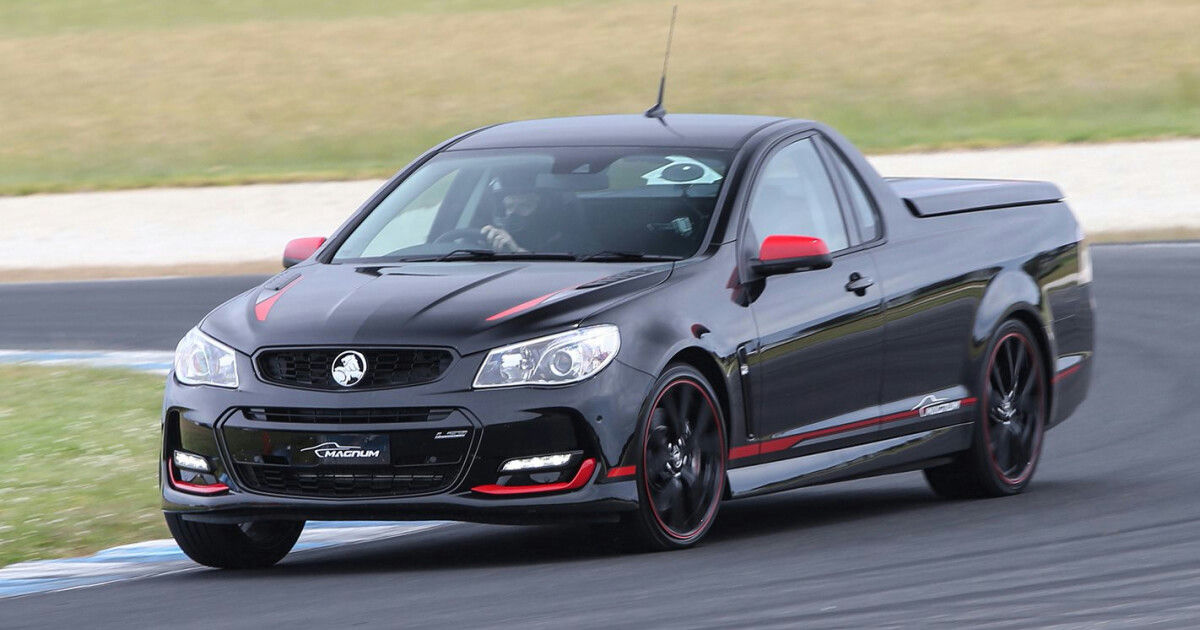
In Australia, the Ute body style is practically a cultural staple, represented notably by the Holden Commodore Ute. Built from 1951 until the brand's discontinuation in 2020, the Commodore Ute was an embodiment of this unique vehicle style. Australian farmers and tradespeople particularly favored this car for its ability to navigate rough terrains while providing ample cargo space for tools and equipment. Its robust construction and dependable performance made it an all-around workhorse for a variety of day-to-day tasks.
The Ford Ranchero
Another interesting application of the Ute style can be seen in the Ford Ranchero, produced from 1957 to 1979. Much like the El Camino, the Ranchero was designed to provide the hauling capacity of a truck with the ride quality of a car. The Ranchero's popularity surged among small business owners and hobbyists who needed a multipurpose vehicle for their trade or leisure activities. With a range of engine options and trim levels, it catered to a diverse set of needs, from basic transportation to more performance-oriented desires.
The Subaru BRAT
The Subaru BRAT, short for Bi-drive Recreational All-terrain Transporter, offered a unique twist on the Ute body style with its production run from 1978 to 1994. While smaller and more compact than its American counterparts, the BRAT was equipped with four-wheel drive, making it particularly useful in off-road conditions. It found a niche market among outdoor enthusiasts who appreciated its blend of rugged ability and quirky design.
Summary
In summary, the Ute body style has been adapted to serve a variety of roles across different continents and decades. Its applications are as diverse as the vehicles themselves, providing a unique blend of utility and comfort that caters to a wide range of needs.
Chevrolet El Camino (1959-1987): Hybrid car-truck for urban and rural use.
Holden Commodore Ute (1951-2020): Cultural staple in Australia for farmers and tradespeople.
Ford Ranchero (1957-1979): Versatile vehicle for small business owners and hobbyists.
Subaru BRAT (1978-1994): Compact, four-wheel drive for outdoor enthusiasts.
About AutoFame
AutoFame is a home for people who love cars and the stories behind them. Every car on a show field or in a garage has a history: who built it, who saved it, the road trips, the late nights in the shop and the people who helped along the way. AutoFame gives those stories a place to live, so they are not lost when the hood closes or the car changes hands.
Membership is free. Once you join, you can add your car to your own AutoFame garage with photos, specs and the story only you can tell. Restorations, survivors, daily drivers, race cars and family heirlooms all belong here. Other members can find your car, follow its progress and connect with you over the details that matter to car people.
Beyond member garages, AutoFame publishes stories, guides and features on the cars, builders and history that shape car culture. You will find buying and restoration guides, car parts explainers, special editions, the newest models and the classics that started it all. The AutoFame Gallery puts member cars on display for anyone to browse, and the AutoFame YouTube channel adds owner interviews, show highlights and the conversations that happen around a good car.
AutoFame is also built for the people who run car shows. Organizers use it to manage entries and judging, and judges score each car category by category on their phones, with a written guide for every category so nothing gets skipped. After a judged show, owners can see what their car was scored on and how it compared. Shows across the Texas Gulf Coast have run on AutoFame, including the Moody Gardens Car Show in Galveston, Good Grub and Gears, and Keels and Wheels at Lakewood Yacht Club.
AutoFame was founded by Kevin Brady, whose own life in cars began long before he started building tools for the hobby. The idea is simple: the people who love these cars should have one place to share them, learn from each other and keep the stories going.
Whether you own a show winner, a project that is still in pieces or simply love reading about great cars, there is room for you here.
Be part of the AutoFame community. Join free and become a member today.