Tire Wheel Diameter: Impact on Performance and Safety
Ever wondered how the diameter of your tires can dramatically impact your car's performance and aesthetics? From enhancing your ride quality to affecting your speedometer accuracy, the size of your t…
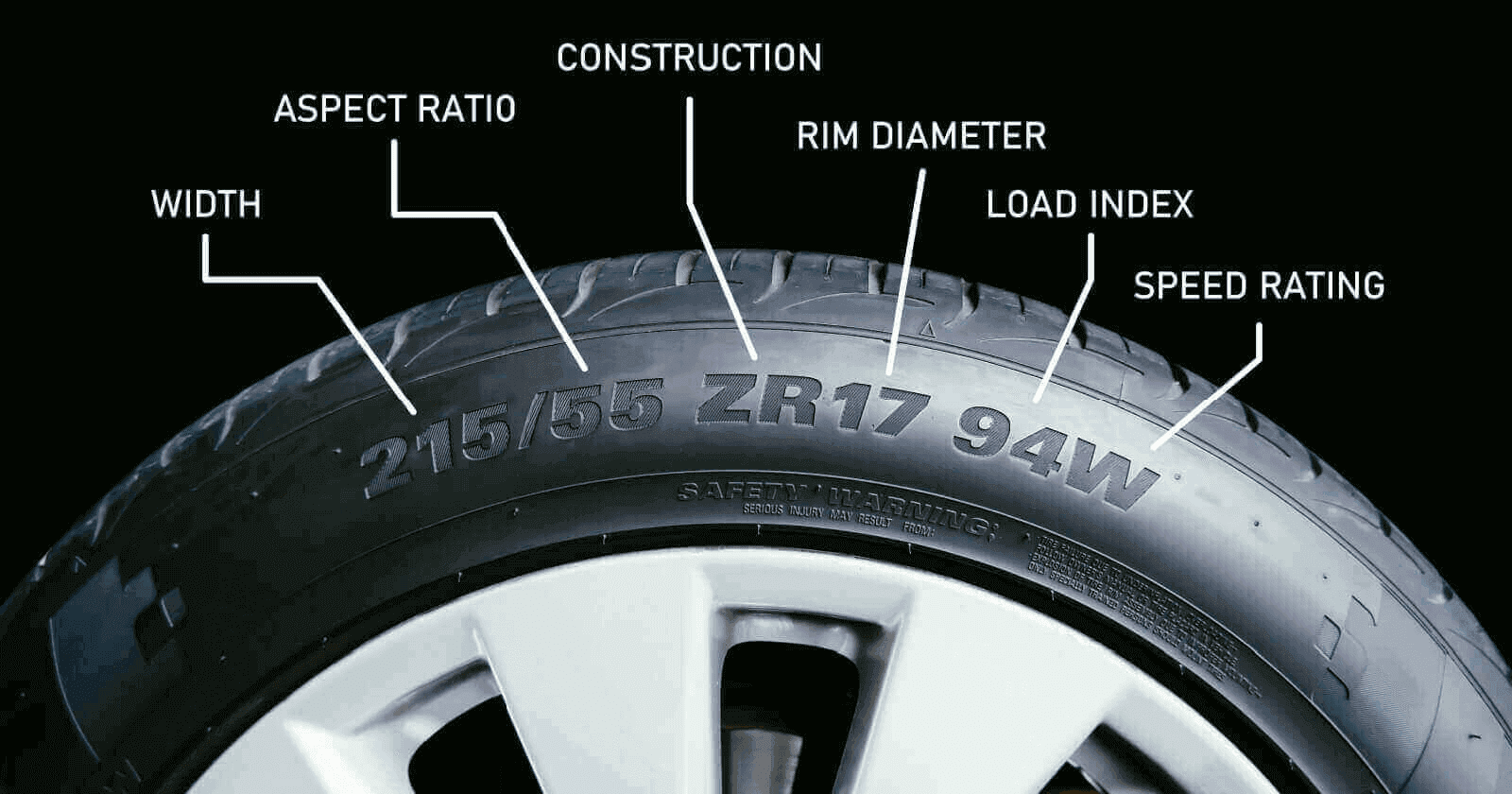
Ever wondered how the diameter of your tires can dramatically impact your car's performance and aesthetics? From enhancing your ride quality to affecting your speedometer accuracy, the size of your tire's wheel diameter plays a crucial role. In this article, we're diving into the fascinating history of tire evolution, the pros and cons of various wheel sizes, and what you need to consider when choosing the perfect diameter for your ride. Buckle up, because understanding this aspect could be the game-changer for your driving experience!
Join the AutoFame community. Become a member for free, add your car to the garage and tell its story. Join AutoFame.
History
The Evolution and Importance of Tire Wheel Diameter
The history of tire wheel diameter traces back to the early days of the automotive industry, where standardizing wheel sizes became crucial for vehicle performance and safety. Tire wheel diameter refers to the distance across the tire from one edge to the other, measured through the center. This measurement is essential because it affects the vehicle's handling, fuel efficiency, and overall ride comfort. A larger diameter can improve stability and reduce rolling resistance, while a smaller diameter often allows for better acceleration and maneuverability. Understanding and using the right tire wheel diameter is vital for optimizing the specific needs and performance parameters of different vehicles.
Pros
Better Handling
Larger tire wheel diameter generally offers better handling due to a bigger contact patch with the road. This increased surface area improves traction and stability, especially during cornering and high-speed driving. However, larger wheels can sometimes make the ride stiffer, affecting comfort.
Enhanced Aesthetics
Many drivers find that larger wheels enhance the appearance of their vehicle, giving it a more aggressive and sportier look. This visual upgrade can be appealing and boost the resale value of the car. But remember, beauty is subjective, and some may prefer the look of smaller wheels.
Improved High-Speed Performance
A larger diameter wheel can mean better high-speed performance. This is because larger wheels often translate to better stability and control when driving at higher speeds. On the flip side, they may come with a weight penalty, which can affect acceleration and fuel efficiency.
Potential for Larger Brakes
With larger wheels, there's often enough room to accommodate larger brakes. Bigger brakes can offer improved stopping power, increasing safety, especially in emergency situations. However, upgrading to larger brakes can be costly and may require additional modifications.
Better Off-Road Capability
A larger wheel diameter can improve off-road capability by allowing for bigger, more aggressive tires. These tires can provide better traction and ground clearance on rough terrains. On the downside, this may also result in a bumpier ride on regular paved roads.
Longer Lifespan
Larger wheels generally mean larger tires, which can have a longer lifespan due to the increased tread surface. This might save money in the long run by reducing the frequency of tire replacements. However, larger tires can be more expensive upfront, balancing out the cost benefits.
Cons
Influence on Speedometer Accuracy
Larger or smaller tire wheel diameters can mess with your speedometer’s accuracy. The speedometer is calibrated to match the stock tire size. If you change the diameter, you might be driving faster or slower than the speedometer shows. It’s important to recalibrate your speedometer if you change your tire size to ensure you’re following speed limits properly. Mismatched readings can also lead to trouble with law enforcement and possible speeding tickets.
Impact on Fuel Efficiency
Changes in tire wheel diameter can also affect your car’s fuel efficiency. Larger tires generally have a larger contact patch with the road, which increases rolling resistance. This can mean your engine needs to work harder to keep the car moving, reducing fuel economy. Conversely, smaller tires might make the engine work less hard but can affect stability and grip, leading to other efficiency issues. It’s a balancing act that needs consideration.
Altered Handling and Stability
Handling and stability can be noticeably affected by changing tire wheel diameter. Larger wheels often improve cornering and grip, but they can also make the ride stiffer and less comfortable. Smaller wheels, on the other hand, might offer a smoother ride but could result in less responsive handling. This can be especially noticeable in high-performance or emergency driving situations where precise handling is crucial.
Potential for Speed and Balance Issues
An incorrect tire wheel diameter can lead to balance issues and can affect your car’s speed. Larger wheels can give a higher top speed but may take longer to get there due to lower acceleration. Smaller wheels can accelerate quickly but might limit your top speed. This trade-off should be thought about based on what you need most from your vehicle – whether it’s quick starts or high-speed cruising.
Effect on Ride Comfort
Your ride quality can be significantly affected by the diameter of your wheels. Larger wheels can make your ride feel bumpier because there’s less tire sidewall to absorb shocks from the road. Smaller wheels usually have more sidewall, which can offer a cushier ride. However, a too-soft ride could result in less precise handling. Finding the right balance between tire size and desired comfort is key.
Increased Wear and Tear
Alterations in tire wheel diameter can increase wear and tear on your car’s suspension and drivetrain. Larger tires, being heavier, can place additional strain on these systems. Constant strain could lead to more frequent repairs or replacements of parts. Smaller tires may ease the strain but could lead to premature tire wear, especially if they're not aligned properly. Regular checks and maintenance become even more important when you change tire sizes.
Examples
When talking about the application of tire wheel diameter on cars, there are numerous practical examples across various models that demonstrate its significance.
Have a car with a story like this? Become an AutoFame member and share it with people who love cars as much as you do.
Honda Civic
For instance, take the Honda Civic. This popular compact car often comes with 16-inch wheels as standard. However, higher trims and sportier versions like the Civic Si might bump that up to 18-inch wheels. The choice of diameter affects everything from ride comfort to handling dynamics, with larger wheels generally providing better cornering performance at the cost of a somewhat stiffer ride.
Ford F-150
Another example is the Ford F-150, one of the best-selling trucks in the United States. This workhorse can be equipped with wheels ranging from 17 inches to 22 inches.
A smaller diameter may be more suitable for heavy-duty tasks where a rugged, more forgiving ride is crucial.
On the other hand, larger wheels might be chosen for a more premium look and a sportier on-road feel, though they may slightly compromise ride comfort and off-road capability.
BMW 3 Series
The BMW 3 Series is another vehicle where tire wheel diameter has a marked impact. Entry-level models might come with 17-inch wheels, but performance-oriented trims like the M340i could see diameters of 19 inches or more. This change enhances handling and gives a more aggressive stance, though at the expense of some ride softness. Larger diameters are usually paired with low-profile tires, which can improve steering responsiveness but also make the ride harsher and more susceptible to damage from potholes.
Tesla Model S (Electric Vehicles)
In the realm of electric vehicles, the Tesla Model S provides a compelling case. Standard variants often sport 19-inch wheels, while the performance versions have an option for 21-inch wheels. This not only alters the aesthetic appeal but also potentially modifies the car's range and efficiency. Larger wheels can increase rolling resistance, slightly reducing range, which is crucial for an electric vehicle where every mile counts.
Chevrolet Corvette (Sports Cars)
Sports cars like the Chevrolet Corvette use tire wheel diameter to their advantage as well. The Corvette Stingray often comes equipped with staggered wheel sizes—19 inches in the front and 20 inches in the back. This setup helps optimize performance by enhancing grip and stability, crucial for high-speed maneuvers and track performance.
Range Rover (Luxury SUVs)
In the luxury SUV segment, the Range Rover often features varying wheel diameters from 20 inches to even 22 inches on higher trims. This flexibility allows for a blend of comfort and off-road capability. Larger wheels add to the aesthetic appeal and on-road performance, but they also need to be carefully balanced against the vehicle’s off-road requirements.
As you can see, tire wheel diameter isn't a one-size-fits-all component in car design. Different models and trims have specific needs that can be tweaked by altering this dimension. Whether it’s for performance, aesthetic, comfort, or specialized tasks, the choice of tire wheel diameter plays a critical role in how a car behaves and feels on the road.
About AutoFame
AutoFame is a home for people who love cars and the stories behind them. Every car on a show field or in a garage has a history: who built it, who saved it, the road trips, the late nights in the shop and the people who helped along the way. AutoFame gives those stories a place to live, so they are not lost when the hood closes or the car changes hands.
Membership is free. Once you join, you can add your car to your own AutoFame garage with photos, specs and the story only you can tell. Restorations, survivors, daily drivers, race cars and family heirlooms all belong here. Other members can find your car, follow its progress and connect with you over the details that matter to car people.
Beyond member garages, AutoFame publishes stories, guides and features on the cars, builders and history that shape car culture. You will find buying and restoration guides, car parts explainers, special editions, the newest models and the classics that started it all. The AutoFame Gallery puts member cars on display for anyone to browse, and the AutoFame YouTube channel adds owner interviews, show highlights and the conversations that happen around a good car.
AutoFame is also built for the people who run car shows. Organizers use it to manage entries and judging, and judges score each car category by category on their phones, with a written guide for every category so nothing gets skipped. After a judged show, owners can see what their car was scored on and how it compared. Shows across the Texas Gulf Coast have run on AutoFame, including the Moody Gardens Car Show in Galveston, Good Grub and Gears, and Keels and Wheels at Lakewood Yacht Club.
AutoFame was founded by Kevin Brady, whose own life in cars began long before he started building tools for the hobby. The idea is simple: the people who love these cars should have one place to share them, learn from each other and keep the stories going.
Whether you own a show winner, a project that is still in pieces or simply love reading about great cars, there is room for you here.
Be part of the AutoFame community. Join free and become a member today.