Tire Speed Rating Index: Understanding Performance and Safety
The Tire Speed Rating Index is a crucial but often overlooked aspect of your vehicle's performance and safety. Whether you’re hitting the highway or just cruising around town, understanding tire spee…
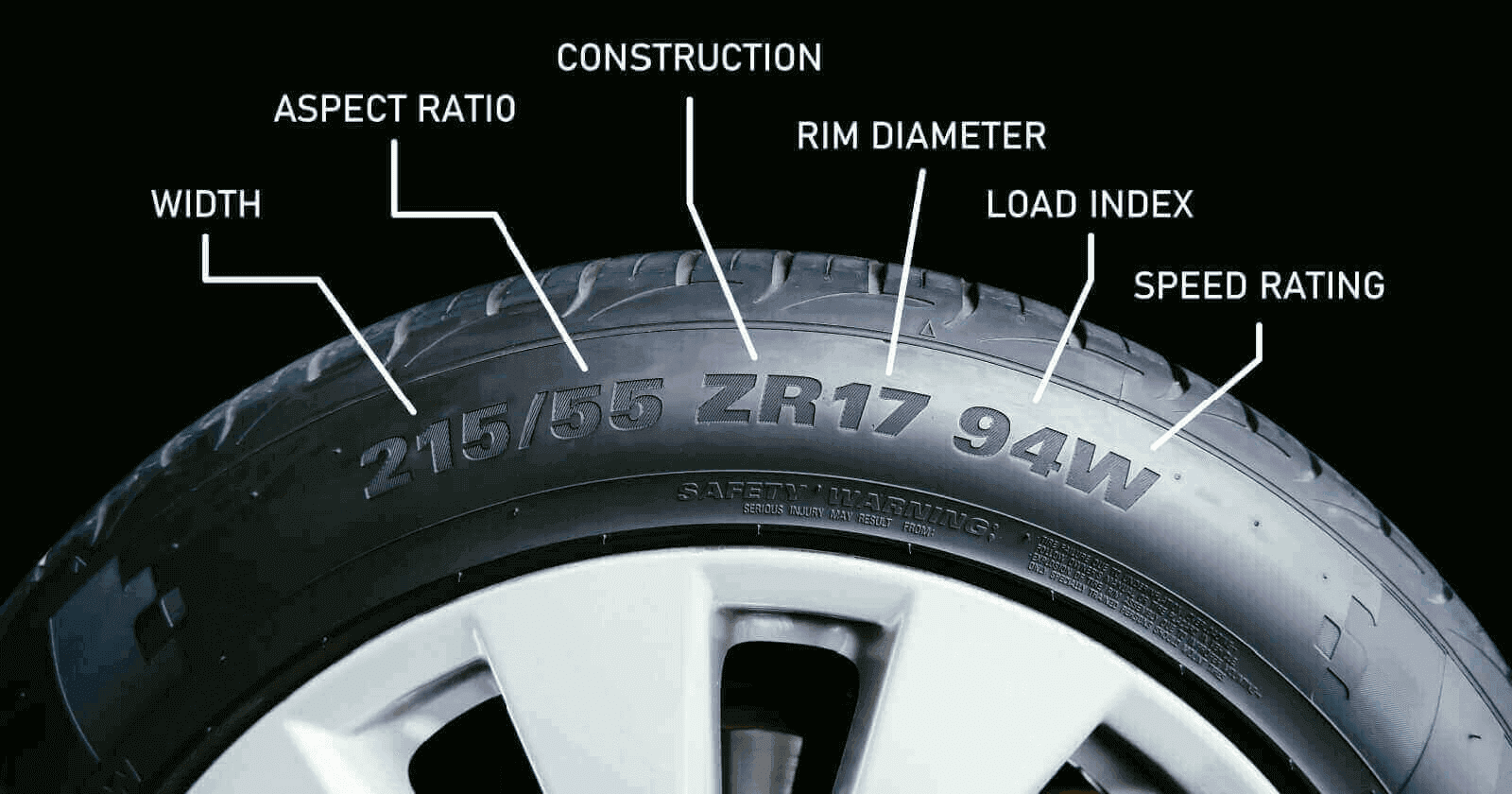 The Tire Speed Rating Index is a crucial but often overlooked aspect of your vehicle's performance and safety. Whether you’re hitting the highway or just cruising around town, understanding tire speed ratings can make all the difference in your ride. In this article, we’ll delve into the history of the Tire Speed Rating Index, the benefits of using properly rated tires, and some potential downsides to consider. Stay tuned to uncover everything you need to know about tire speed ratings and how they impact your driving experience.
History
The Evolution and Importance of the Tire Speed Rating Index
The Tire Speed Rating Index is the result of years of automotive innovation and regulatory advancement. Its origin dates back to the mid-20th century when vehicle performance and highway speeds began to increase significantly. This rating system was created to ensure that tires could maintain their structural integrity and safety at different speeds. The importance of the Tire Speed Rating Index cannot be overstated; it is a critical standard used to match the performance capabilities of a tire with the speed capabilities of a vehicle. The system works by assigning a letter (such as S, H, or Z) to the tire. Each letter corresponds to a maximum speed limit, providing essential information not only for safety but also for ensuring optimal tire performance. This straightforward approach aids consumers and manufacturers alike, allowing for better vehicle handling, safety, and efficiency on the road.
Pros
Understanding Performance Limits
The tire speed rating index informs you of the maximum speed your tires can safely handle. Knowing this helps you avoid exceeding that speed, ensuring better performance and safety. It’s particularly useful for high-speed driving, as you get a clear understanding of what your tires can manage without risking a blowout.
Enhanced Safety
When you choose tires with an appropriate speed rating, you're aligning the tire capabilities with your vehicle's performance. This minimizes the risk of accidents caused by tire failure. If you push your tires beyond their limits, you could face severe safety issues, but the speed rating keeps you informed.
Optimal Vehicle Handling
The tire speed rating is also an indicator of how well your car will handle at certain speeds. Higher-rated tires often provide better traction and more stable handling. This helps in maintaining control, especially during emergency maneuvers or sharp turns.
Longevity of Tires
Using tires within their rated speed can extend their lifespan. Over-speeding can lead to faster tire wear and potential failure. Sticking to the recommended speed ensures that your tires last longer and perform better over their intended lifespan.
Informed Purchasing Decisions
When buying new tires, the speed rating index can guide you to make more informed decisions. It ensures you select tires that match your driving needs and vehicle specs. This prevents mismatches that could affect your car’s performance and safety.
Understanding the tire speed rating index can significantly enhance your driving experience by setting clear performance limits. This knowledge helps you ensure your safety by avoiding excessive speeds that could lead to tire blowouts or accidents. Additionally, tires that are rated appropriately for your vehicle contribute to better handling, especially in urgent situations requiring quick maneuvers. Keeping within the rated speeds also prolongs tire life, saving you money and hassle in the long run. When shopping for tires, the speed rating is a crucial factor, aiding you in selecting the best match for your vehicle's characteristics and your typical driving patterns.
Cons
Limited Driving Choices
Tire speed ratings can restrict your driving style. High-speed rated tires are designed for performance but might not perform well in everyday driving conditions such as off-road or in heavy rain. This reduces your flexibility when it comes to tackling different types of terrain or weather conditions.
Variable Pricing
Tires with higher speed ratings are generally more expensive. This can impact your budget significantly, especially if you are looking for high-performance tires. While you may gain enhanced capabilities, the financial aspect is a crucial factor to consider.
Shorter Tire Lifespan
High-speed rated tires often have softer compounds to increase grip. This can lead to faster wear and tear, reducing the overall lifespan of your tires. You'll find yourself replacing tires more frequently, which can add to maintenance costs.
Complex Decision-Making
Choosing the right tire speed rating can be confusing. The letters and numbers may not be straightforward for everyone, leading to potential mismatches or suboptimal choices. You need to balance speed capabilities with your driving habits, which can complicate the decision-making process.
Potential for Mismatched Tire Sets
It’s essential to have tires with the same speed rating on all wheels for balanced performance. Mismatched tire sets can lead to uneven wear and affect vehicle handling, particularly at higher speeds. Always double-check compatibility when replacing tires.
Requires Regular Monitoring
Tires with higher speed ratings typically need more frequent checks to maintain their performance levels. This means dedicating more time to tire inspections and maintenance. Failing to do so can affect both your safety and your vehicle’s capabilities.
Examples
Tire Speed Rating Index is critical when considering tire choices for different vehicles. It's especially important in matching the right tire to a car's specifications, ensuring proper performance, safety, and handling. Let's consider a few real-life examples to put this into perspective.
Performance Vehicles
Take the Ford Mustang GT, a performance-oriented vehicle that typically requires tires with a higher speed rating, often a "Y" rating. This categorization ensures the tires can handle the higher speeds the Mustang is built for, enhancing its aggressive driving dynamics and maintaining optimal grip during spirited drives or under heavy acceleration.
Family SUVs
On the opposite spectrum, a family SUV like the Honda CR-V usually doesn’t need such high-speed-rated tires. It might come with tires rated "H" or "V," appropriate for vehicles expected to perform steadily and reliably, usually at moderate speeds under various driving conditions. This ensures comfort, longevity, and better fuel efficiency, matching the typical use case of daily commuting and family travel.
Luxury Sedans
Luxury sedans, such as the BMW 5 Series, often come equipped with "W" or "Y" rated tires, part of offering a balance of high performance and comfort. These vehicles are engineered to be driven at higher speeds on highways and maintain stable handling, hence the need for tires that can sustain those speeds without compromising on ride quality.
Off-Road Vehicles
The Jeep Wrangler, designed for off-road adventures, typically uses tires with lower speed ratings, such as "Q" or "R." These ratings are more than sufficient for the rugged terrains and the typical speed ranges involved in off-roading. Here, the focus is more on durability and traction rather than high-speed performance.
Midsize Sedans
For a more urban example, the Toyota Camry, a dependable midsize sedan known for its reliability, may come with "T" or "H" rated tires. These ratings suffice for daily driving, balancing good performance, safety, and fuel economy. It’s a reflection of the car's role as a practical, all-rounder vehicle rather than a high-speed performer.
Sports Cars
Sports cars like the Porsche 911 would most likely require "Y" rated tires or even higher, adhering to the extreme performance nature of these vehicles. These tires ensure the car can handle the speed and agility, translating the vehicle's power into responsive handling without compromising safety at high velocities.
In essence, the Tire Speed Rating Index is not just a number but a guide to align tire capabilities with the specific demands of different vehicles. Whether it’s ensuring maximum safety and performance for high-speed sports cars or enhancing the durability and comfort for everyday family SUVs, the proper application of this index is a blend of matching engineering requirements with real-world driving expectations.