Tire Height: Balancing Ride Comfort and Efficiency
When it comes to your car's performance and appearance, tire height plays a pivotal role that often goes unnoticed. Whether you're looking to enhance your ride’s comfort, fuel efficiency, or even its…
 When it comes to your car's performance and appearance, tire height plays a pivotal role that often goes unnoticed. Whether you're looking to enhance your ride’s comfort, fuel efficiency, or even its off-road capabilities, understanding tire height is crucial. In this article, we'll dive deep into the history of tire height, weigh the pros and cons of different tire sizes, and help you make an informed decision for your next set of wheels. Buckle up for an enlightening ride that will change the way you look at your tires!
History
The Evolution and Significance of Tire Height
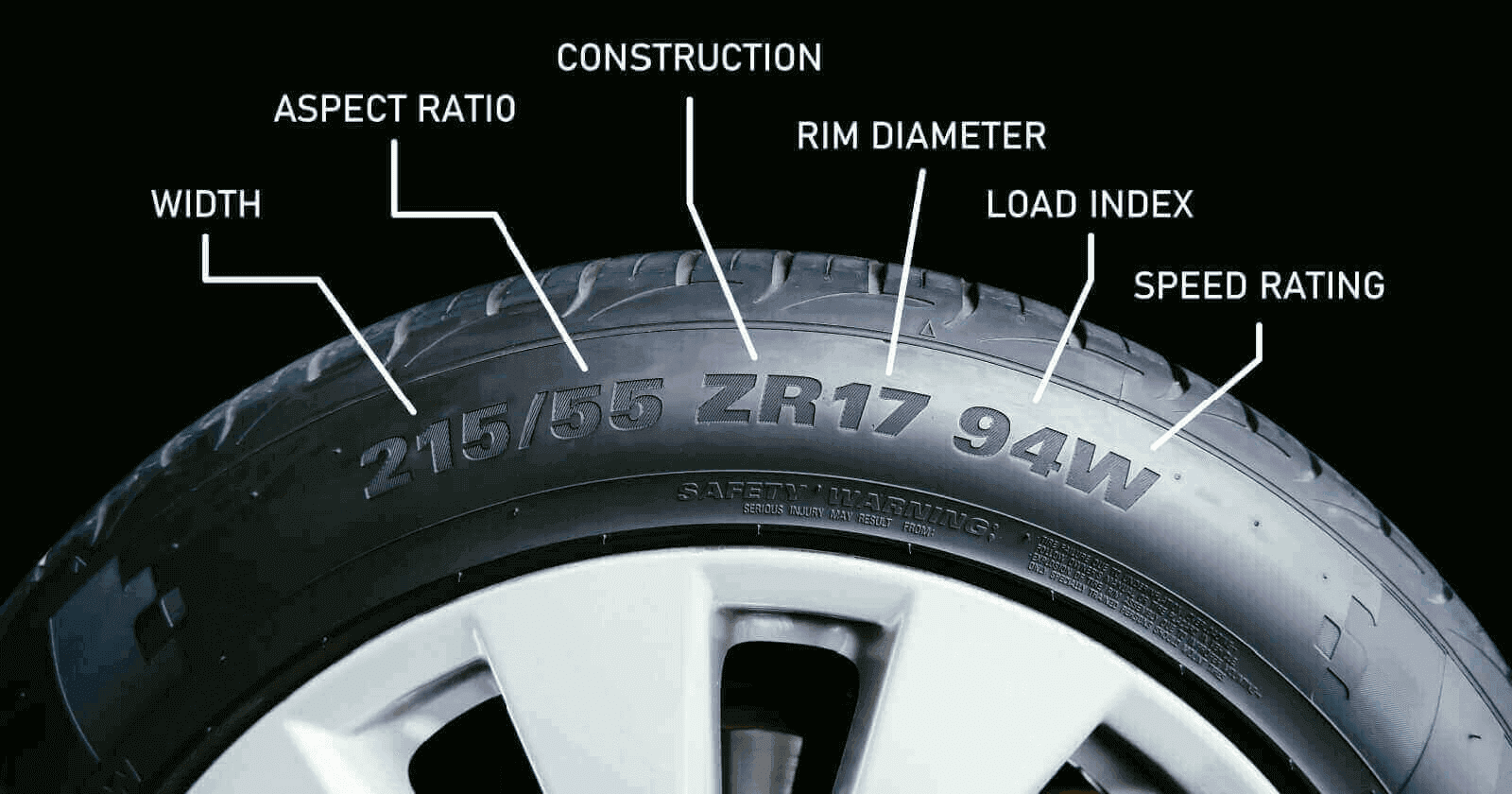
The concept of tire height has a rich history rooted in both practical engineering and evolving automotive performance needs. Tire height, or aspect ratio, refers to the distance from the rim to the outer tread, crucial for various reasons including ride comfort, handling, and overall vehicle aesthetics. Originally, tire designs were simple and uniform, but as cars advanced, so did the need for specialized tires. A taller tire generally offers a smoother ride due to its larger sidewall, absorbing more road imperfections, while a shorter tire enhances handling and stability. Understanding tire height helps drivers choose the right tire for their driving style and conditions, balancing comfort and control for a better driving experience.
Pros
Increased Ground Clearance
Higher tire height gives your vehicle increased ground clearance. This helps you navigate rough terrains, obstacles, or debris on the road more easily. It's particularly beneficial for off-road driving or when driving in areas with poor road conditions. However, it's essential to note that while higher ground clearance can protect your vehicle's undercarriage, it can also raise the center of gravity, potentially affecting stability.
Improved Visibility
With taller tires, you sit higher in your vehicle. This elevated position improves your line of sight, allowing you to see further down the road and better anticipate upcoming traffic or hazards. It can enhance your overall driving experience, especially in dense traffic conditions. But keep in mind, this improved view might come with a trade-off in handling performance.
Better Ride Comfort
Taller tires often mean a thicker tire sidewall, which can absorb more of the shocks from bumps and potholes. This results in a smoother, more comfortable ride for both the driver and passengers. However, this enhanced comfort might come at the expense of handling precision, especially during sharp turns or high-speed driving.
Increased Load Capacity
Wider and taller tires generally have a higher load rating, meaning they can support more weight. This is useful if you're frequently carrying heavy loads or towing. While this can be beneficial for work vehicles or long trips, it's important to ensure the rest of the vehicle is also rated for the increased load to avoid undue stress on other components.
Enhanced Off-Road Performance
For those who enjoy off-roading, taller tires offer better traction and durability on uneven surfaces. They can help you tackle mud, sand, rocks, and other challenging terrains with more confidence. It's worth noting though, that while off-road performance improves, on-road fuel efficiency might decrease due to the additional rolling resistance.
Aesthetic Appeal
Taller tires can give your vehicle a more rugged and aggressive look, something many drivers find appealing. This can make your vehicle stand out and appear more robust and capable. However, aesthetics are subjective, and what's attractive to one person might not be to another.
Potential for Speedometer Error
When you change to taller tires, it can throw off your speedometer readings. This is because the larger diameter means the tires cover more ground per revolution, leading to inaccuracies in your speed measurements. It's a manageable issue, but one that often requires recalibration of your vehicle’s speedometer to maintain accurate readings.
Cons
Higher Tire Cost
Opting for taller tires often leads to higher costs. These larger tires require more materials and may also necessitate more specialized manufacturing processes. Additionally, when replacement time comes, you'll likely spend more compared to standard-size tires. Some taller tires may also require specific types or brands, further limiting and potentially increasing your purchasing costs. Thus, frequent drivers or heavy users might face a considerable impact on their budget.
Reduced Fuel Efficiency
Taller tires generally mean more rolling resistance, which can lead to reduced fuel efficiency. The bigger size can cause your vehicle’s engine to work harder, especially during acceleration and climbing. Over long distances, this can translate into significant fuel consumption differences. For commuters and long-distance drivers, this reduction in fuel economy can stack up over time, making the taller tires less budget-friendly. Considering fuel prices, it’s worth weighing this impact.
Altered Handling
Changing tire height can significantly alter your vehicle's handling characteristics. Taller tires typically have a higher sidewall, which can make the ride smoother but at the cost of precise handling. During quick maneuvers or abrupt turns, the vehicle might feel less responsive or slightly unstable compared to stock tire sizes. For drivers who prioritize performance and control, this could be a notable drawback. It's essential to find a balance that complements your driving style and road conditions.
Speedometer Inaccuracy
With taller tires, your speedometer may not provide accurate readings. The speedometer is calibrated based on the stock tire size and a change in diameter alters the rotation speed. This variance can result in the speedometer reading lower than the actual speed. While it might seem minor, it can have implications for speeding tickets and general driving accuracy. It's important to recalibrate the speedometer when making significant tire size changes.
Increased Brake Wear
The heavier mass and larger radius of taller tires can put extra strain on your braking system. Your brakes must work harder to slow down or stop the increased rotational inertia associated with taller tires. Over time, this added load can lead to faster wear and potentially higher maintenance costs. Particularly for vehicles frequently used in stop-and-go traffic, this is an important consideration. Regular brake inspections are recommended to manage this wear effectively.
Clearance Issues
Taller tires may not always fit within the factory-defined dimensions of your vehicle’s wheel wells. This lack of clearance can result in rubbing against the wheel arches or suspension components during turns or when hitting bumps. In extreme cases, you might need to adjust or lift the suspension to accommodate the new size. This not only adds to the cost but can also negatively affect vehicle stability and aesthetics. Always verify fitment before making a change to avoid these potential issues.
Examples
Tire height plays a crucial role in the overall performance, handling, and aesthetics of various cars.
For instance, the Ford F-150, one of America’s most popular trucks, often comes with different tire height options depending on the trim and intended use. Off-road variants like the F-150 Raptor are equipped with taller tires to support better ground clearance and enhanced off-road capabilities. These taller tires ensure the truck can handle rough terrains while providing a smooth ride over uneven surfaces.
On the other hand, the Chevrolet Camaro, an iconic muscle car, also benefits from specific tire height applications. The Camaro SS, for example, is fitted with relatively lower profile tires that provide superior grip and handling at high speeds. The reduced tire height helps keep the car's center of gravity low, which in turn enhances stability when cornering hard or making quick maneuvers.
SUV Applications
Switching to SUVs, the Jeep Grand Cherokee uses tire height to its advantage by offering different tire sizes based on the model.
- For regular city driving, standard models might come with moderate tire heights to balance comfort and efficiency.
- However, trims like the Grand Cherokee Trailhawk feature taller, more rugged tires designed for off-road adventures, which shoot up ground clearance and improve traction on tricky surfaces like gravel, mud, and snow.
Luxury Vehicles
Moving into the realm of luxury vehicles, the BMW X5 employs varying tire heights depending on the chosen packages.
- The standard luxury option provides a balanced tire height for an optimal mix of comfort and road handling.
- Meanwhile, opting for sportier packages can result in slightly lower profile tires that improve cornering abilities and add a more aggressive look to the vehicle while maintaining comfort.
Compact Sedans
Even in compact sedans, tire height is not a one-size-fits-all deal. Take the Honda Civic as an example.
- The base model Civic is typically fitted with smaller, cost-efficient tires for maximizing fuel economy and a quieter ride.
- However, the Civic Type R, known for its track performance, uses a lower tire height that's designed to maximize grip and responsiveness.
Electric Vehicles
Lastly, consider electric vehicles like the Tesla Model S. The tire height on these vehicles is generally tailored to optimize aerodynamics and range. Lower profile tires help reduce air resistance and rolling resistance, contributing to the vehicle’s impressive electric range capabilities while still ensuring enhanced road handling characteristics.
In summary, tire height's application varies greatly across different vehicle types, from trucks and SUVs to performance cars and electric vehicles. It's tailored to enhance the specific attributes needed, whether it’s off-road capability, high-speed handling, luxury comfort, or electric efficiency, showcasing how versatile tire height applications can be in the automotive world.