Tire Aspect Ratio: How It Shapes Your Ride
Are you curious about the numbers on the sidewall of your tires and what they mean for your ride? The tire aspect ratio isn't just a bunch of digits—it's a crucial element that impacts everything fro…
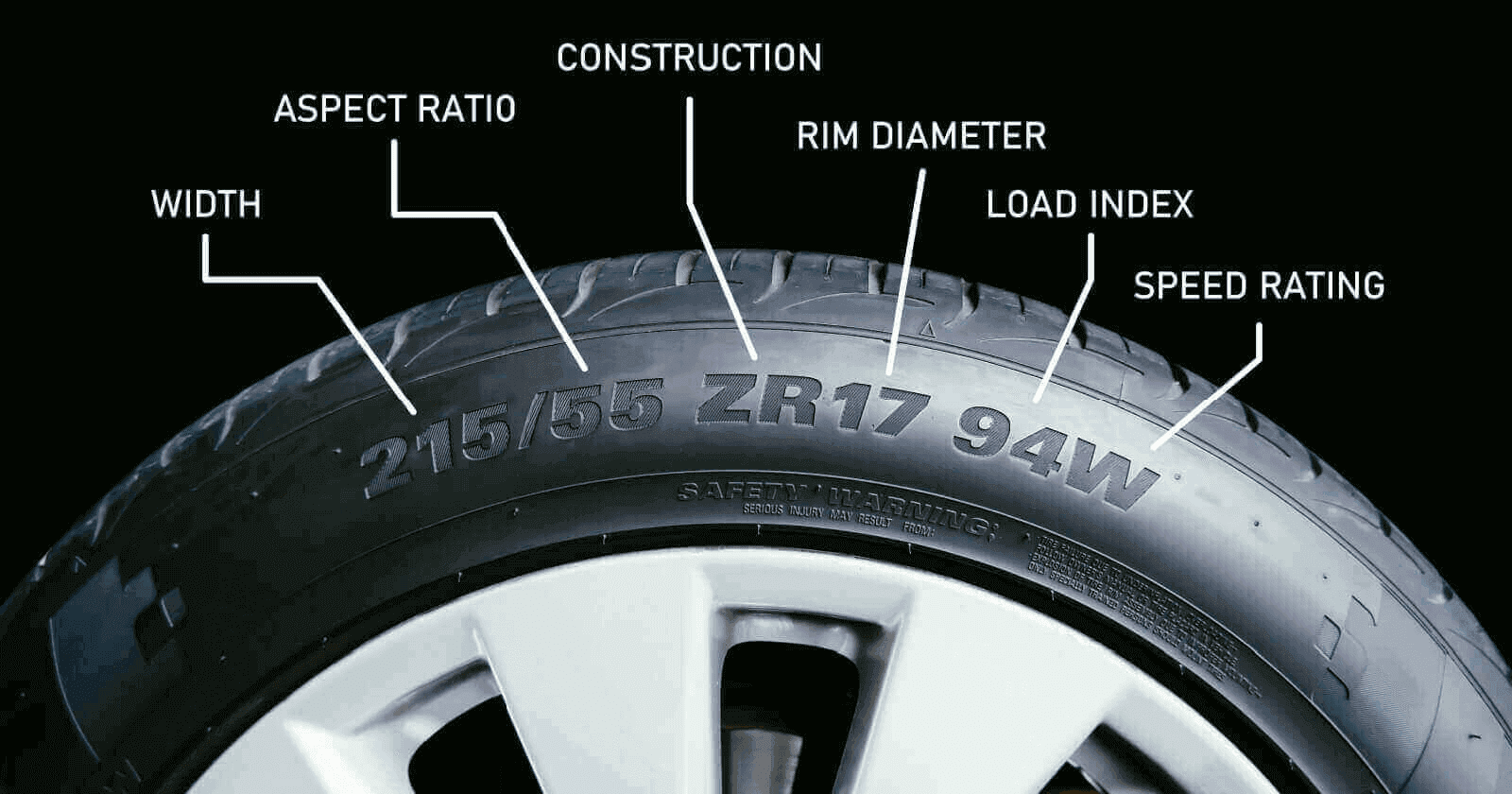
Are you curious about the numbers on the sidewall of your tires and what they mean for your ride? The tire aspect ratio isn't just a bunch of digits—it's a crucial element that impacts everything from your car's performance to its fuel efficiency and comfort. In this article, we'll dive into the history of tire aspect ratios, explore the pros and cons, and give you the knowledge you need to make informed decisions about your next set of wheels. Whether you're driving a sports car or a family sedan, understanding tire aspect ratio can make a world of difference.
Join the AutoFame community. Become a member for free, add your car to the garage and tell its story. Join AutoFame.
History
The Evolution and Importance of Tire Aspect Ratio in Automotive History
The concept of tire aspect ratio has a fascinating evolution in automotive history, tracing back to the early days of motoring when tire design was in its infancy. The tire aspect ratio is a critical measurement that denotes the relationship between the tire's height and its width, represented as a percentage. This ratio is crucial for several reasons: it impacts the vehicle's handling, ride quality, and overall performance. For instance, a lower aspect ratio typically means a wider, sportier tire that offers better grip and cornering capabilities, while a higher aspect ratio can provide a more comfortable ride with superior shock absorption. Understanding how tire aspect ratios work helps vehicle owners make informed decisions about tire replacements and upgrades, balancing performance needs with driving comfort.
Pros
Improved Handling and Stability
A lower tire aspect ratio, meaning the tire sidewall is shorter, generally provides better handling and stability for your vehicle. This is because there is less rubber to flex during cornering, which makes the car more responsive. For enthusiastic drivers, this makes a noticeable difference in how the car feels and performs.
Enhanced Aesthetic Appeal
Many enthusiasts appreciate the sleeker look of low-profile tires with a lower aspect ratio. They tend to give a car a sportier, more aggressive stance. While this doesn't impact performance, the visual appeal can be a significant factor for many drivers.
Better Road Feel
With lower aspect ratio tires, you get more direct feedback from the road. This can make for a more engaging driving experience as you feel more connected to the surface you're driving on. However, it also means bumps and road imperfections are more noticeable.
Increased Speed Rating
Tires with lower aspect ratios often have higher speed ratings due to their more robust construction. For high-speed driving, these tires can handle the increased stress better. This is particularly important for performance cars that frequently drive at higher speeds.
Potential Cost Implications
One downside of lower aspect ratio tires is that they often cost more. They generally require more advanced materials and construction techniques. Additionally, because they wear out faster than higher aspect ratio tires, you may find yourself needing to replace them more frequently.
Reduced Comfort
Higher aspect ratio tires, with their taller sidewalls, tend to absorb bumps and potholes better than low-profile tires. This makes for a smoother, more comfortable ride. For those who prioritize ride comfort over performance, higher aspect ratio tires may be the better choice.
Improved Off-Road Capability
If you frequently drive off-road, higher aspect ratio tires are usually preferable. They have more sidewall height, which helps in cushioning impacts from rocks and uneven terrain. This can significantly reduce the likelihood of tire damage and improve the overall off-road driving experience.
Cons
Effect on Ride Comfort
Tire aspect ratio can significantly affect the comfort of your ride. Lower aspect ratios usually mean a firmer ride because there's less sidewall to absorb road impacts. Conversely, higher aspect ratios can provide a cushier ride, but this can come at the expense of handling. The choice of aspect ratio will depend on your preference for comfort versus performance. Always remember that the smoother ride of a higher aspect ratio might also lead to more body roll in corners.
Handling Characteristics
The aspect ratio of your tires can influence your car's handling. Lower aspect ratios generally provide better handling because of reduced sidewall flex, which keeps more of the tire’s tread in contact with the road during cornering. However, this better performance in handling might result in a harsher ride due to less cushioning from the tires. On the flip side, higher aspect ratios can compromise the precision of steering. If you prioritize sporty driving, a lower aspect ratio is usually the way to go.
Cost and Availability
Different aspect ratios can affect the cost and availability of tires. Low aspect ratio tires tend to be more expensive due to the materials and technology required to ensure they perform properly. They are also often specialized, which can make them harder to find. Conversely, tires with higher aspect ratios are generally more affordable and widely available as they are used more frequently on a variety of vehicles. However, they might not offer the same level of performance.
Fuel Economy Impact
Your choice of tire aspect ratio can have implications for fuel economy. Low aspect ratio tires are generally wider, increasing rolling resistance. This can lead to reduced fuel efficiency compared to tires with a higher aspect ratio. However, the impact might be minimal and can vary depending on your driving habits. Higher aspect ratio tires, being narrower, might offer better fuel economy but could compromise on traction and handling.
Potential for Damage
Aspect ratio can also influence the likelihood of tire damage. Low aspect ratio tires are more prone to damage from potholes and curbs due to their stiffer sidewalls and lower profile. They offer less buffer space for absorbing road shocks, increasing the risk of rim damage. On the other hand, higher aspect ratio tires offer more cushioning but might be more prone to sidewall punctures and bulges. Your environment and driving conditions should guide your choice.
Aesthetic Preferences
Have a car with a story like this? Become an AutoFame member and share it with people who love cars as much as you do.
Lastly, the aspect ratio of your tires can affect the visual appeal of your car. Low aspect ratio tires often give a sportier, sleeker look to a vehicle, enhancing its aesthetic appeal. However, they might look out of place on larger vehicles like SUVs or trucks. Higher aspect ratio tires might not have the same sporty appearance, but they can provide a more balanced look for everyday family cars or larger vehicles. Ultimately, it comes down to personal preference and the overall style you wish to achieve.
Examples
Tire aspect ratio plays a significant role in a car's performance, handling, and overall driving experience. Various cars utilize different tire aspect ratios based on their design, purpose, and the manufacturer's objectives.
Honda Civic
For example, the Honda Civic often comes with a tire aspect ratio of 50 or 55, depending on the model and trim level. This aspect ratio strikes a balance between performance and comfort, providing a smooth ride without sacrificing too much in terms of handling capabilities.
Chevrolet Corvette
On the other hand, sports cars like the Chevrolet Corvette typically come with lower aspect ratios, such as 35 or even 30. This lower ratio helps maintain a lower profile, which enhances grip and stability during high-speed maneuvers. It also reduces the sidewall flex, giving drivers a more precise feel of the road. However, this comes at the cost of ride comfort, as the stiffer sidewalls can translate more road imperfections to the cabin.
Ford F-150
SUVs and trucks, like the Ford F-150, often have higher tire aspect ratios, such as 70 or even 75. This higher ratio provides a taller sidewall, which can absorb more shocks from rough terrains and off-road driving, making it ideal for vehicles designed to haul loads or venture off the beaten path. While this improves comfort and durability, it can lead to a less responsive steering feel compared to lower aspect ratio tires.
BMW 5 Series
Luxury vehicles, such as the BMW 5 Series, often use a mid-range tire aspect ratio like 45 or 50. This ensures a good mix of performance and comfort, which is crucial for cars meant to deliver a premium driving experience. The slightly taller sidewalls help in smoothing out the ride, which is a key consideration for luxury car buyers.
Toyota RAV4
Then there are crossover SUVs like the Toyota RAV4, which typically use an aspect ratio around 60. This is a compromise to offer decent handling dynamics while still maintaining a comfortable ride height and cushioning, suiting the versatile nature of crossovers that are often driven in both urban and off-road environments.
Fiat 500
Lastly, let's talk about compact city cars such as the Fiat 500, which may have a tire aspect ratio around 65. These higher ratios contribute to a softer ride, which is beneficial for city driving where road conditions can vary widely, from smooth asphalt to potholed streets. The higher aspect ratio also assists in better fuel efficiency compared to performance-oriented lower aspect ratio tires.
In summary, tire aspect ratios are far from a one-size-fits-all measure. They are carefully chosen to align with the specific needs and intended use of each vehicle, whether that's a balance of comfort and performance for a commuter car, enhanced handling for a sports car, or improved ruggedness and cushioning for an off-roader.
About AutoFame
AutoFame is a home for people who love cars and the stories behind them. Every car on a show field or in a garage has a history: who built it, who saved it, the road trips, the late nights in the shop and the people who helped along the way. AutoFame gives those stories a place to live, so they are not lost when the hood closes or the car changes hands.
Membership is free. Once you join, you can add your car to your own AutoFame garage with photos, specs and the story only you can tell. Restorations, survivors, daily drivers, race cars and family heirlooms all belong here. Other members can find your car, follow its progress and connect with you over the details that matter to car people.
Beyond member garages, AutoFame publishes stories, guides and features on the cars, builders and history that shape car culture. You will find buying and restoration guides, car parts explainers, special editions, the newest models and the classics that started it all. The AutoFame Gallery puts member cars on display for anyone to browse, and the AutoFame YouTube channel adds owner interviews, show highlights and the conversations that happen around a good car.
AutoFame is also built for the people who run car shows. Organizers use it to manage entries and judging, and judges score each car category by category on their phones, with a written guide for every category so nothing gets skipped. After a judged show, owners can see what their car was scored on and how it compared. Shows across the Texas Gulf Coast have run on AutoFame, including the Moody Gardens Car Show in Galveston, Good Grub and Gears, and Keels and Wheels at Lakewood Yacht Club.
AutoFame was founded by Kevin Brady, whose own life in cars began long before he started building tools for the hobby. The idea is simple: the people who love these cars should have one place to share them, learn from each other and keep the stories going.
Whether you own a show winner, a project that is still in pieces or simply love reading about great cars, there is room for you here.
Be part of the AutoFame community. Join free and become a member today.