Targa Top Body Style: Ultimate Open-Air Driving Experience
The Targa top body style is a unique and exciting feature that sets certain cars apart from the rest. This design offers the best of both worlds by providing the open-air feel of a convertible with t…
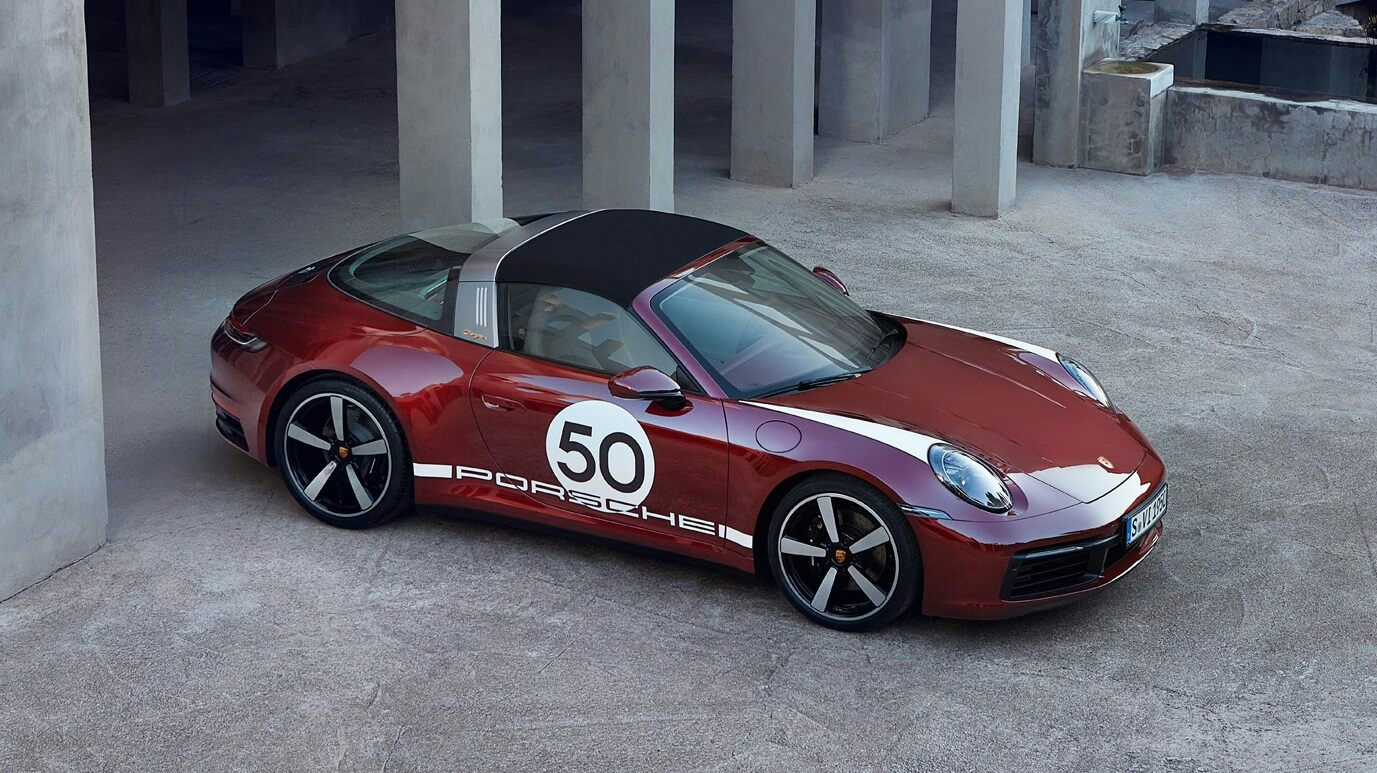
Group: Body Style
The Targa top body style is a unique and exciting feature that sets certain cars apart from the rest. This design offers the best of both worlds by providing the open-air feel of a convertible with the structural integrity of a coupe. In this article, we'll dive into the history of the Targa top, explore its pros and cons, and look at some classic and modern vehicle examples that sport this distinctive feature. Stick around to discover why the Targa top continues to captivate car enthusiasts and engineers alike.
Join the AutoFame community. Become a member for free, add your car to the garage and tell its story. Join AutoFame.
History
The Evolution and Mechanics of the Targa Top Body Style
The Targa top body style, named after the famous Targa Florio road race in Sicily, was first introduced by Porsche in 1965 with the launch of the 911 Targa. This innovative design features a removable roof section, offering an open-air driving experience while maintaining structural integrity, thanks to a fixed roll bar. The Targa top quickly gained popularity for its blend of convertible freedom and the rigidity of a coupe. It typically consists of a removable roof panel, alongside a rear window section that can be permanent, removable, or retractable. This design appeals to drivers seeking a versatile open-top experience without the full commitment of a convertible, providing both safety and structural benefits.
Pros
Enhanced Open-Air Experience
Driving a Targa top offers a unique blend of the open-air feel of a convertible with the structural integrity of a coupe. By removing the roof panel, drivers can enjoy the fresh air and scenery without completely losing the rigidity and safety that a full roof provides. This combination creates a more engaging driving experience, particularly on scenic routes or during pleasant weather.
Improved Structural Rigidity
Unlike full convertibles, Targa tops maintain a solid B-pillar, which helps in preserving the car’s structural rigidity. This added rigidity can translate to better handling and stability while driving, especially during high-speed maneuvers. It’s a practical feature for those who want the convertible experience but are also mindful about performance and safety.
Weather Versatility
A Targa top allows drivers to quickly adapt to changing weather conditions. Simply by reattaching the roof panel, you can shield yourself from unexpected rain or overly harsh sunlight. This flexibility can be particularly useful in areas with unpredictable weather, making the vehicle more versatile for daily use.
Less Wind Noise
Compared to full convertibles, Targa tops typically produce less wind noise when driving with the top off. This can make for a quieter and more comfortable ride, especially at higher speeds. The solid B-pillar and rear window also help to channel the airflow more efficiently.
Aesthetic Appeal
The unique design of a Targa top can add a distinct aesthetic to the car, setting it apart from both traditional convertibles and hardtops. This can be a significant plus for those who take pride in the look and style of their vehicle. The removable roof panel often integrates seamlessly into the car’s design, creating a sleek, sporty appearance.
Cons
Reduced Structural Rigidity
Targa tops can often lead to decreased rigidity in the vehicle’s structure. Removing the roof segment can compromise the car's overall stability, especially during sharp turns or at high speeds. This can result in a less responsive driving experience compared to fully enclosed counterparts.
Potential for Water Leaks
One of the cons of a Targa top is the increased risk of water leaks. The removable roof section, along with its sealing mechanisms, might not be as watertight as a solid roof. Over time, the seals can deteriorate, leading to potential water ingress during heavy rain or car washes.
Increased Wind Noise
Driving with a Targa top can result in higher wind noise inside the cabin. The seams and seals where the roof connects can act as entry points for air, which can make the interior noisier at high speeds. This can detract from a quiet, comfortable driving experience.
Complex Mechanism
The removable roof system of a Targa top introduces additional mechanical components. These mechanisms need regular maintenance to keep them functioning properly. If they fail, it can be costly and time-consuming to repair or replace them.
Limited Cargo Space
The Targa top's removable section often needs to be stowed when it's not in use, taking up valuable cargo space. This can limit the amount of storage available in the vehicle, which could be a downside if you often carry a lot of gear or luggage.
While a Targa top can offer a thrilling open-air driving experience, it does come with its own set of trade-offs. Reduced structural rigidity can affect the car’s handling and safety, while potential water leaks and increased wind noise can impact comfort. The complex mechanisms require regular attention, and limited cargo space can be a hassle for those who need extra room. Despite these cons, many drivers still find the benefits of a Targa top to outweigh the downsides.
Examples
The Targa top body style has seen various uses across many cars, becoming a notable feature in the design books of several automakers.
Iconic Examples of Targa Top Sports Cars
One of the most iconic examples is the Porsche 911 Targa. The 911 Targa stands out due to its distinctive roll bar and removable roof panel, which allowed drivers to enjoy an open-air experience without sacrificing rigidity and safety. This design has persisted through multiple generations of the 911, showcasing the Targa top's blend of sportiness and practicality.
Have a car with a story like this? Become an AutoFame member and share it with people who love cars as much as you do.
Chevrolet Corvette C4
Another classic example is the Chevrolet Corvette C4. Introduced in the 1980s, the C4 Targa was a notable departure from previous fully convertible models. Chevrolet opted for a Targa top to provide drivers with a more rigid chassis, improving handling and performance. The Targa panel on the Corvette C4 could be removed and stored in the back, combining the benefits of a convertible with the solid structure of a coupe.
Mazda RX-7 FC3S
The Mazda RX-7, particularly the FC3S generation, also embraced the Targa top configuration. Known for its rotary engine and balanced handling, the RX-7 Targa enhanced the model’s appeal by offering the freedom of a partly open roof. This not only contributed to improving driving enjoyment but also added a unique aesthetic element to the iconic sports car.
Toyota Supra MKIV
Toyota's Supra MKIV, a highly revered model in the tuner and enthusiast communities, offered a Targa top option as well. This version allowed the Supra to stand out even more, combining the power and performance it was known for with the exhilaration of open-air driving. This Targa option played a significant part in the car's cultural impact, notably helping it garner fame in media and car culture.
Ferrari 308 GTS
From the European market, the Ferrari 308 GTS is a prime example of a Targa-topped sports car. The GTS (Gran Turismo Spider) variant featured a removable roof panel, enhancing the pleasure of driving a Ferrari without losing the brand's highly prized aesthetics. The Targa top on the 308 ensured that drivers could fully experience the sound of Ferrari’s mid-mounted V8 even more intimately.
Acura NSX
Lastly, the Acura NSX employed a Targa top configuration in its first generation. The NSX was Honda's leap into the supercar territory, and the Targa top allowed it to offer a combination of thrilling performance and driver engagement. The minimalistic yet functional design of the Targa top aligned well with the precise engineering of the NSX, maintaining its structural integrity while allowing drivers to enjoy an open-roof experience.
Summary
In summary, the Targa top body style has had significant applications across various car models, complementing the design ethos and performance characteristics of each vehicle. From the Porsche 911 to the Acura NSX, the Targa top has consistently offered a balanced mix of open-air driving pleasure and structural robustness.
About AutoFame
AutoFame is a home for people who love cars and the stories behind them. Every car on a show field or in a garage has a history: who built it, who saved it, the road trips, the late nights in the shop and the people who helped along the way. AutoFame gives those stories a place to live, so they are not lost when the hood closes or the car changes hands.
Membership is free. Once you join, you can add your car to your own AutoFame garage with photos, specs and the story only you can tell. Restorations, survivors, daily drivers, race cars and family heirlooms all belong here. Other members can find your car, follow its progress and connect with you over the details that matter to car people.
Beyond member garages, AutoFame publishes stories, guides and features on the cars, builders and history that shape car culture. You will find buying and restoration guides, car parts explainers, special editions, the newest models and the classics that started it all. The AutoFame Gallery puts member cars on display for anyone to browse, and the AutoFame YouTube channel adds owner interviews, show highlights and the conversations that happen around a good car.
AutoFame is also built for the people who run car shows. Organizers use it to manage entries and judging, and judges score each car category by category on their phones, with a written guide for every category so nothing gets skipped. After a judged show, owners can see what their car was scored on and how it compared. Shows across the Texas Gulf Coast have run on AutoFame, including the Moody Gardens Car Show in Galveston, Good Grub and Gears, and Keels and Wheels at Lakewood Yacht Club.
AutoFame was founded by Kevin Brady, whose own life in cars began long before he started building tools for the hobby. The idea is simple: the people who love these cars should have one place to share them, learn from each other and keep the stories going.
Whether you own a show winner, a project that is still in pieces or simply love reading about great cars, there is room for you here.
Be part of the AutoFame community. Join free and become a member today.