Run-Flat Tires: Safety and Convenience Redefined
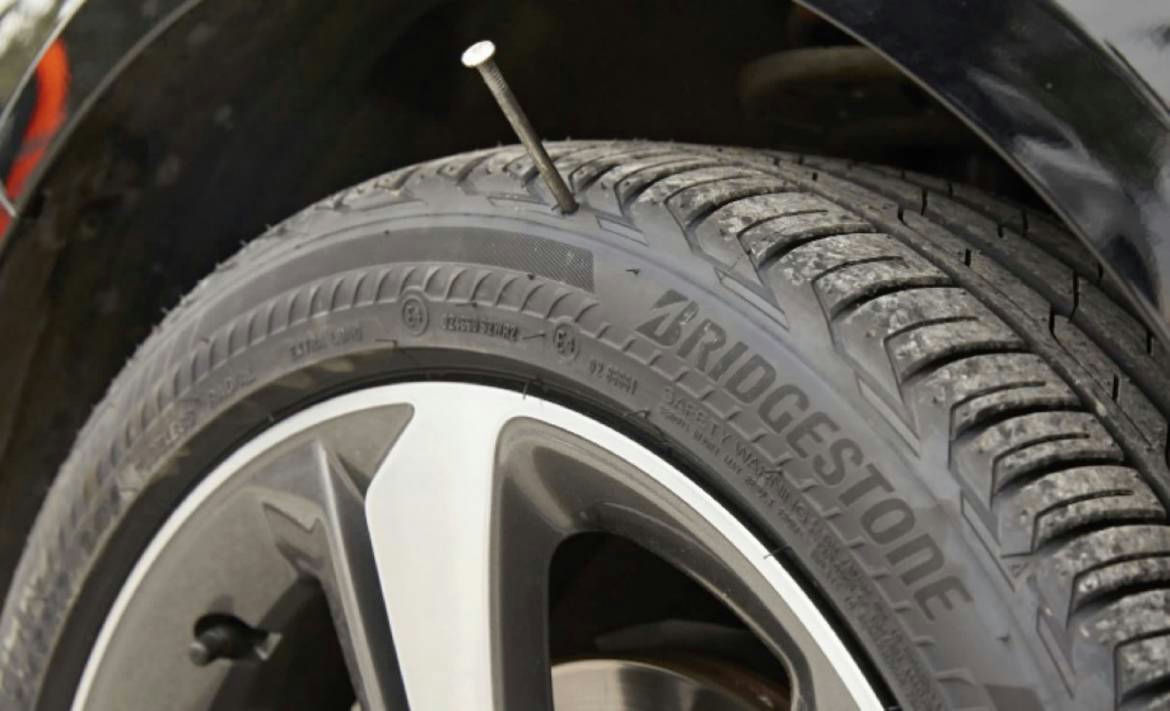
Run-flat tires are revolutionizing the way we think about driving safety and convenience. Designed to keep you on the road even after a puncture, they offer a blend of benefits and drawbacks that eve…
Group: Tires
Run-flat tires are revolutionizing the way we think about driving safety and convenience. Designed to keep you on the road even after a puncture, they offer a blend of benefits and drawbacks that every car owner should consider. In this article, we'll delve into the history of run-flat tires, examine their pros and cons, and help you decide if they're the right fit for your vehicle. Buckle up, because it’s going to be an enlightening ride!
Join the AutoFame community. Become a member for free, add your car to the garage and tell its story. Join AutoFame.
History
The Evolution and Functionality of Run-Flat Tires: A Game-Changer for Drivers
Run-flat tires have a fascinating history that dates back to the mid-20th century, revolutionizing the way drivers handle unexpected flats. Developed to enhance safety and convenience, these tires allow a vehicle to continue driving at reduced speeds even after a puncture. This technology works through either reinforced sidewalls that support the vehicle’s weight after losing air pressure or an internal support structure that keeps the tire from collapsing. Run-flat tires are primarily used to avoid the dangers and inconveniences associated with sudden tire blowouts, offering drivers peace of mind knowing they can safely reach a repair shop without needing to change a flat on the roadside.
Pros
Greater Safety
Run-flat tires are designed to allow you to continue driving even after a puncture. This means you won't have to stop on the side of a busy or dangerous road to change a tire. They let you drive for a limited distance at a reduced speed, usually up to about 50 miles at 50 mph. This can provide peace of mind, especially in areas where it might be risky to stop immediately. While it's a great safety feature, it's still important to get the tire repaired or replaced as soon as possible.
Convenience
One of the most appreciated benefits of run-flat tires is the convenience they offer. There's no need to carry around a spare tire or worry about changing a flat in the middle of nowhere. This can save time and effort, particularly if you're dressed for a special occasion or in poor weather conditions. Although this convenience comes at a higher upfront cost, many drivers find it worth the investment. Just remember, not all tire repair shops may have the immediate capability to fix or replace run-flat tires.
Weight Savings
By not needing a spare tire, jack, or any other tire-changing tools, your car can shed a significant amount of weight. This can, theoretically, improve fuel efficiency and performance, although the actual benefits may vary depending on your vehicle and driving habits. Weight savings can also contribute to better handling and a smoother ride. However, these benefits might be marginal compared to the overall positives of having a spare tire for true emergencies.
Improved Control
Run-flat tires help maintain better control of your vehicle after a puncture. Traditional tires can cause sudden and dangerous loss of stability when they blow out. In contrast, run-flats are designed to hold their shape and allow for more predictable handling. This can be really useful on highways or when driving in challenging weather conditions like rain or snow. However, remember that this control is temporary and you should still drive cautiously.
Space Efficiency
Not having to store a spare tire and related tools frees up trunk space. This can be particularly useful for smaller vehicles or for those who regularly need a lot of cargo space. More room means you can carry more luggage, groceries, or anything else you need for your trip. Of course, the trade-off is the initial price and availability of run-flat tires. But for many, the extra space is a worthy benefit.
Cons
Reduced Ride Comfort
Run-flat tires generally have stiffer sidewalls to support the weight of the vehicle in the event of a puncture. This results in a harsher ride compared to traditional tires. Drivers might notice more road noise and vibration, which can affect overall driving comfort, especially on rough roads.
Increased Tire Cost
Run-flats are typically more expensive than standard tires. Replacement costs can add up quickly, especially since many drivers prefer to replace all four tires at once for balanced performance. This higher initial expense can be a significant consideration for budget-conscious motorists.
Limited Repairability
Most run-flat tires are not repairable once punctured. While traditional tires can often be patched up, a damaged run-flat generally needs to be replaced entirely. This means that even minor punctures can lead to the cost of a brand-new tire, making these tires less economical over time.
Shorter Tread Life
Run-flat tires often have a shorter tread life compared to their traditional counterparts. The stiffer construction and added weight can mean they wear out more quickly under normal driving conditions. Drivers may find themselves needing to replace run-flats more frequently, increasing long-term maintenance costs.
Availability and Compatibility
Not every tire shop carries run-flat tires, and not all cars are designed to run them. If you need a replacement, you might face limited availability and higher prices. Also, switching can sometimes require modifications to your vehicle's suspension or alignment.
Heavier Weight
Run-flat tires are usually heavier than standard ones. The additional weight can negatively impact fuel efficiency and overall vehicle performance. It can also put extra strain on components like the suspension system, potentially leading to quicker wear and tear.
Handling Performance
While run-flat tires allow continuous driving after a puncture, they can compromise handling characteristics. The stiffer sidewalls may lead to a less responsive driving experience. In emergency maneuvers or spirited driving situations, this can affect vehicle control and driver confidence.
Have a car with a story like this? Become an AutoFame member and share it with people who love cars as much as you do.
Examples
Run-flat tires have become a noteworthy feature in the automotive industry, particularly in vehicles where safety and convenience are paramount. One prominent example is the BMW 3 Series. BMW has standardized run-flat tires on many of its models, including this popular sedan, to offer drivers peace of mind when traveling. The underlying idea here is that the driver can continue to drive for a limited distance after a puncture, allowing them to safely reach a repair shop without the immediate need to change the tire. This convenience is highly valued in premium vehicles where maintaining an uninterrupted driving experience is crucial.
MINI Cooper
Another car that features run-flat tires is the MINI Cooper. Known for its compact design and sporty performance, the MINI Cooper benefits from the use of run-flat tires by eliminating the need for a spare tire, which frees up valuable trunk space. This allows owners to make better use of the car's limited storage area while still maintaining safety. The integration of these tires aligns perfectly with the MINI's urban-friendly and practical nature.
Lexus RX 350
Lexus models, such as the RX 350, are also equipped with run-flat tires. Being a luxury SUV, the RX 350 benefits from these tires in terms of safety and passenger comfort. Families who often use SUVs for long trips would appreciate the fact that they won’t find themselves stranded on the side of the road due to a flat tire. The reduced risk of sudden stops in potentially unsafe areas adds another layer of security for these vehicles.
Chevrolet Corvette
Sports cars, too, find value in run-flat tires, as seen in the Chevrolet Corvette. High-performance vehicles like the Corvette experience the benefits of reduced weight, as they don’t need to carry a spare tire or necessary changing tools. Moreover, the rigidity of the run-flat tires can sometimes enhance handling performance, which is crucial for sports cars that prioritize speed and agility.
Toyota Sienna
Lastly, the Toyota Sienna minivan illustrates another practical application of run-flat tires. Often used by families, minivans need to prioritize safety and ease of maintenance. Run-flat tires help ensure that even if a tire puncture occurs while transporting children or numerous passengers, the journey can continue safely to a service center without the complication of a roadside tire change, which can be especially challenging and stressful with a full load of passengers.
Overall, run-flat tires find their utility across a diverse range of vehicles, from luxury sedans and compact cars to high-performance sports cars and family-oriented minivans. Their application typically revolves around enhancing safety, offering convenience, and optimizing the vehicle's design and storage space.
About AutoFame
AutoFame is a home for people who love cars and the stories behind them. Every car on a show field or in a garage has a history: who built it, who saved it, the road trips, the late nights in the shop and the people who helped along the way. AutoFame gives those stories a place to live, so they are not lost when the hood closes or the car changes hands.
Membership is free. Once you join, you can add your car to your own AutoFame garage with photos, specs and the story only you can tell. Restorations, survivors, daily drivers, race cars and family heirlooms all belong here. Other members can find your car, follow its progress and connect with you over the details that matter to car people.
Beyond member garages, AutoFame publishes stories, guides and features on the cars, builders and history that shape car culture. You will find buying and restoration guides, car parts explainers, special editions, the newest models and the classics that started it all. The AutoFame Gallery puts member cars on display for anyone to browse, and the AutoFame YouTube channel adds owner interviews, show highlights and the conversations that happen around a good car.
AutoFame is also built for the people who run car shows. Organizers use it to manage entries and judging, and judges score each car category by category on their phones, with a written guide for every category so nothing gets skipped. After a judged show, owners can see what their car was scored on and how it compared. Shows across the Texas Gulf Coast have run on AutoFame, including the Moody Gardens Car Show in Galveston, Good Grub and Gears, and Keels and Wheels at Lakewood Yacht Club.
AutoFame was founded by Kevin Brady, whose own life in cars began long before he started building tools for the hobby. The idea is simple: the people who love these cars should have one place to share them, learn from each other and keep the stories going.
Whether you own a show winner, a project that is still in pieces or simply love reading about great cars, there is room for you here.
Be part of the AutoFame community. Join free and become a member today.