Rear Wheel Drive: A Classic Driving Experience
When it comes to classic driving dynamics and performance, Rear Wheel Drive (RWD) setups have long been a favorite among car enthusiasts and engineers alike. In this article, we’ll take a thrilling d…
Group: Drive
When it comes to classic driving dynamics and performance, Rear Wheel Drive (RWD) setups have long been a favorite among car enthusiasts and engineers alike. In this article, we’ll take a thrilling dive into the history of RWD, examining its advantages and disadvantages, and highlighting some iconic vehicles that showcase this drivetrain. From exhilarating handling to specific quirks, we’ll cover everything you need to know about what makes Rear Wheel Drive a unique experience on the road.
Join the AutoFame community. Become a member for free, add your car to the garage and tell its story. Join AutoFame.
History
The Evolution and Functionality of Rear Wheel Drive: A Comprehensive Overview
Rear Wheel Drive (RWD) has a storied history tracing back to the advent of the automobile in the late 19th and early 20th centuries. Initially, all cars featured RWD because it was the simplest and most effective way to transmit power from the engine to the road. With power delivered to the rear wheels, RWD vehicles offer a balanced weight distribution, making them highly favored for performance-oriented and heavy-duty vehicles alike. The system operates by sending engine power through the driveshaft to the differential, which then distributes it to the rear wheels. This setup provides a natural feel in handling and acceleration, often giving drivers a sense of connection to the road. While RWD can offer superior handling dynamics, it has its downsides, such as less traction on slippery surfaces compared to its counterparts. Overall, RWD remains a compelling choice for various automotive applications, blending performance with practicality.
Pros
Better Weight Distribution
Rear-wheel drive (RWD) cars usually have a more even weight distribution between the front and rear of the vehicle. This balance can enhance handling and stability, particularly when cornering. It allows the front wheels to focus solely on steering, while the rear wheels handle propulsion. This separation of tasks often results in a smoother, more controlled driving experience, especially in dry conditions.
Improved Traction for Acceleration
When you accelerate in a RWD car, the weight shifts to the rear wheels. This weight transfer can lead to better traction, helping the car grip the road more effectively. This is particularly beneficial during hard acceleration, making RWD vehicles popular for high-performance cars. However, it’s less advantageous in slippery conditions, where traction can become more problematic.
Enhanced Towing Capability
RWD vehicles often have a better towing capacity compared to their front-wheel drive (FWD) counterparts. The power from the engine is directly applied to the rear wheels, which carry more of the vehicle's weight when towing. This can make the towing experience more stable and manageable. Therefore, RWD is frequently favored in trucks and larger vehicles designed for hauling.
High-Performance Handling
Many sports cars and high-performance vehicles opt for RWD due to its superior handling characteristics. RWD allows for more precise control over vehicle dynamics, especially at higher speeds. The separation of steering and propulsion duties makes it easier to manage the vehicle’s movements. In the hands of an experienced driver, this can translate into an exhilarating driving experience.
Simpler and More Robust Drivetrain
The drivetrain in RWD vehicles is generally simpler and more rugged compared to FWD systems. This often results in increased durability and potentially lower maintenance costs over time. The components are easier to access and service, which can be a significant advantage when it comes to repairs. Additionally, the overall design tends to be more straightforward, making it easier to diagnose and fix issues.
Cons
Slippery Conditions
When roads get icy or wet, rear wheel drive (RWD) can struggle. The weight of the car isn't distributed evenly, making it easier for the rear wheels to lose traction. Drivers need to be more cautious and skilled to handle these conditions.
Less Interior Space
RWD systems require a drive shaft and differential, which can intrude into the cabin area. This setup often results in less interior space compared to front wheel drive (FWD) cars. It may affect passenger comfort and limit cargo area.
Higher Maintenance Costs
The complexity of RWD systems can lead to higher maintenance costs. There are more parts that can wear out or break, such as the driveshaft and differential. Keeping a RWD car in good condition may require more frequent and expensive services.
Poor Fuel Efficiency
RWD cars generally weigh more due to the additional mechanical parts. This extra weight can reduce fuel efficiency. Owners may notice that they need to fill up their gas tanks more often compared to FWD vehicles.
More Difficult to Handle for New Drivers
RWD vehicles can be harder to control, especially for inexperienced drivers. The rear-wheel propulsion can cause oversteering in sharp turns. It requires better driving skills to manage a RWD car safely, particularly in bad weather.
Examples
Recar Wheel Drive (RWD) has been a cornerstone in the design and performance of various cars spanning different categories, from everyday sedans to high-performance sports cars. One classic example is the Ford Mustang. Famous for its muscle and performance, the Mustang has long used RWD to provide that thrilling driving experience enthusiasts crave. This setup contributes to its balanced handling and allows for powerful acceleration, which is a hallmark of this iconic American car.
Have a car with a story like this? Become an AutoFame member and share it with people who love cars as much as you do.
In the luxury segment, the BMW 3 Series showcases the advantages of RWD in giving drivers a sporty yet refined experience. The weight distribution and driving dynamics of RWD complement the series' engineering, making it a delight on winding roads while still comfortable for daily commutes. This configuration underscores BMW's commitment to driving pleasure.
Another noteworthy example is the Mazda MX-5 Miata. This lightweight roadster relies on RWD to enhance its nimble and engaging handling. The direct connection between the drivetrain and the rear wheels makes the Miata exceptionally responsive, a feature that has earned it a loyal following among driving enthusiasts.
On the luxury end, the Mercedes-Benz S-Class sedan utilizes RWD to balance luxury with performance. The premium segment demands smooth, effortless driving, which RWD delivers by providing stability and a plush ride. This system is critical for the S-Class, which aims to combine high-end comfort with reliable performance.
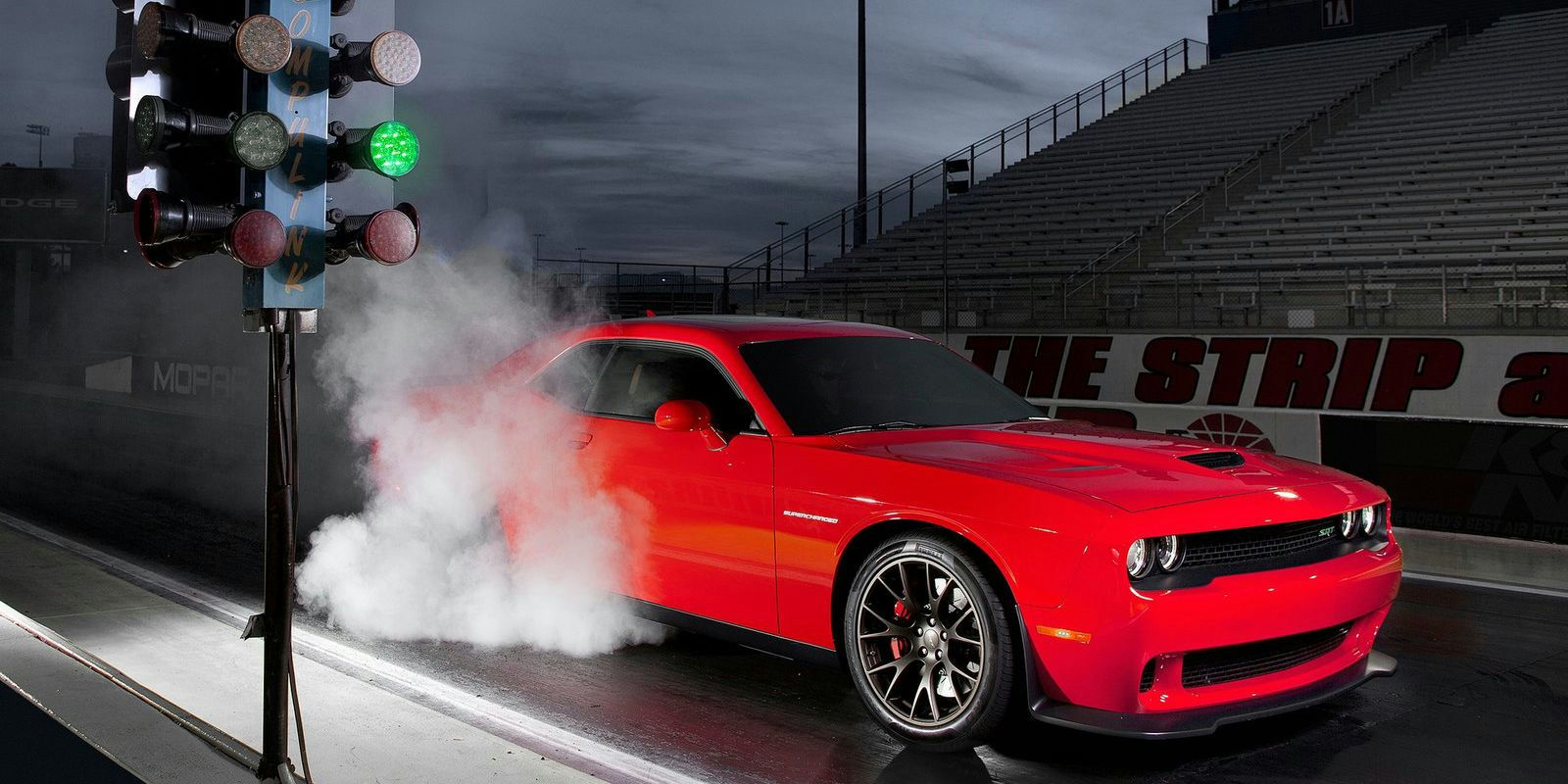
The Chevrolet Camaro also exemplifies RWD's role in performance cars. Much like the Mustang, the Camaro uses this drivetrain configuration to maximize its muscle and driving enjoyment. The rear-wheel setup aids in powerful rear traction and makes burnouts and launches characteristic features of the Camaro's driving experience.
For an example outside of luxury and performance, consider the Toyota Tacoma. This pickup truck uses RWD to maximize its utility and durability. The setup is practical for towing and hauling, as it transfers the weight directly to the rear wheels, providing better grip and stability under load.
Lastly, the Lexus IS showcases how RWD can improve driving dynamics across a range of vehicles. This midsize luxury sedan offers a balance of comfort and sportiness that benefits significantly from a rear-wheel-drive layout, promoting stable acceleration and sharp handling.
In summary, the application of RWD spans from muscle cars to luxury sedans and even pickup trucks, each benefiting in specific ways from this drivetrain configuration. It's a versatile system that adapts well to different automotive needs, providing a distinct driving feel and performance advantages tailored to each vehicle's purpose.
About AutoFame
AutoFame is a home for people who love cars and the stories behind them. Every car on a show field or in a garage has a history: who built it, who saved it, the road trips, the late nights in the shop and the people who helped along the way. AutoFame gives those stories a place to live, so they are not lost when the hood closes or the car changes hands.
Membership is free. Once you join, you can add your car to your own AutoFame garage with photos, specs and the story only you can tell. Restorations, survivors, daily drivers, race cars and family heirlooms all belong here. Other members can find your car, follow its progress and connect with you over the details that matter to car people.
Beyond member garages, AutoFame publishes stories, guides and features on the cars, builders and history that shape car culture. You will find buying and restoration guides, car parts explainers, special editions, the newest models and the classics that started it all. The AutoFame Gallery puts member cars on display for anyone to browse, and the AutoFame YouTube channel adds owner interviews, show highlights and the conversations that happen around a good car.
AutoFame is also built for the people who run car shows. Organizers use it to manage entries and judging, and judges score each car category by category on their phones, with a written guide for every category so nothing gets skipped. After a judged show, owners can see what their car was scored on and how it compared. Shows across the Texas Gulf Coast have run on AutoFame, including the Moody Gardens Car Show in Galveston, Good Grub and Gears, and Keels and Wheels at Lakewood Yacht Club.
AutoFame was founded by Kevin Brady, whose own life in cars began long before he started building tools for the hobby. The idea is simple: the people who love these cars should have one place to share them, learn from each other and keep the stories going.
Whether you own a show winner, a project that is still in pieces or simply love reading about great cars, there is room for you here.
Be part of the AutoFame community. Join free and become a member today.