Non-Studded Winter Tires: Navigating Ice and Snow Safely
Winter is right around the corner, and it's time to talk about an often-debated yet essential car accessory: Non-Studded Winter Tires. These innovative tires promise better safety and control on icy …
- Group
- Tires
History
The Evolution and Functionality of Non-Studded Winter Tires
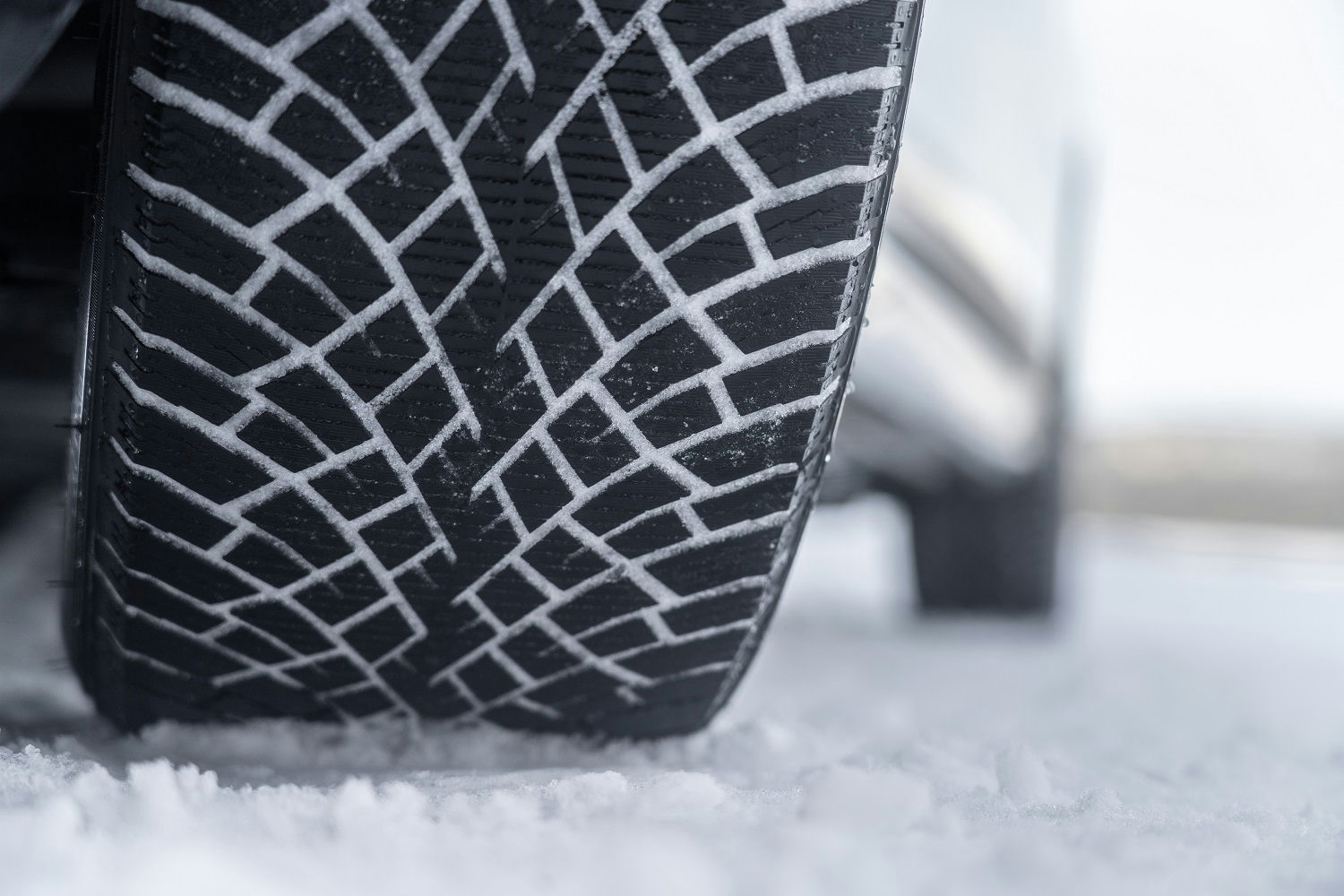
Non-studded winter tires trace their origins back to the mid-20th century as a response to the need for safer driving conditions in snowy and icy environments. Unlike their studded counterparts, which use metal pins to dig into ice, non-studded winter tires employ advanced tread designs and specialized rubber compounds to enhance grip. These tires are crafted to remain flexible in cold temperatures, allowing them to conform to the road surface for better traction. Non-studded winter tires are favored for their ability to provide reliable performance without causing damage to the roadways, making them a popular choice in regions where road maintenance and preservation are crucial. By improving contact with the road through innovative siping patterns and softer materials, non-studded winter tires help maintain control and stability during harsh winter conditions.
Pros
Enhanced Traction on Cold, Dry Roads
Non-studded winter tires excel in providing better traction on cold, dry surfaces. Their specialized rubber compounds and unique tread patterns are designed to stay flexible in low temperatures. This flexibility helps them grip the road more effectively than all-season tires, which can become hard and less adhesive in the cold. As a result, drivers experience improved overall control and safety during winter driving conditions.
Quieter Ride Compared to Studded Tires
One distinct advantage of non-studded winter tires is that they produce significantly less noise than their studded counterparts. Studded tires can create a loud, distracting hum, particularly on dry pavement. In contrast, non-studded tires provide a much quieter ride, making for a more pleasant driving experience. Drivers can enjoy their journeys without the constant, grating sound that comes with studs.
Treads Designed for Snow and Ice
Non-studded winter tires are meticulously engineered with tread patterns that are optimized for snowy and icy conditions. These treads feature deeper grooves and specialized sipes, allowing them to channel snow and slush away from the tire’s surface. This helps maintain contact with the road and reduces the likelihood of hydroplaning. Drivers benefit from superior handling and stability when navigating winter weather.
Compatibility With More Vehicles
Non-studded winter tires offer a broader range of compatibility with various vehicles compared to studded tires. Some regions and countries have strict regulations regarding the use of studded tires due to potential road damage. Non-studded options eliminate these concerns, making them suitable for more cars, trucks, and SUVs. This flexibility allows more drivers to outfit their vehicles for winter without legal or structural worries.
Longer Lifespan in Mixed Conditions
Non-studded winter tires tend to have a longer lifespan when driven on a mix of winter and non-winter roads. Their construction is designed to balance between providing winter-specific benefits and maintaining durability on dry or wet asphalt. This dual-purpose capability means they wear out slower than studded tires, which can degrade quickly on dry pavement. Drivers can save money and time by not needing to replace their tires as frequently.
Cons
Reduced Traction on Ice
Non-studded winter tires generally perform less optimally on icy surfaces compared to their studded counterparts. This can potentially increase braking distances and reduce control in slippery conditions. While modern non-studded tires have improved significantly, they still don't match the grip level offered by studded tires on ice.
Less Effective in Extreme Cold
These tires can become less flexible and lose their effectiveness in extremely low temperatures. This can lead to reduced traction and control. However, advancements in tire technology have mitigated this to some extent, making them a viable option in varying winter conditions.
Shorter Lifespan
Non-studded winter tires tend to wear out faster than studded tires when driven on clear roads. This is primarily because the softer rubber compounds designed for maximum grip in cold conditions can wear down quickly on dry or wet pavement. Regular rotation and proper maintenance can help extend their lifespan, but their natural wear rate remains a concern.
Potential for Aquaplaning
These tires can be more susceptible to hydroplaning on wet roads compared to studded tires. This is due to their tread patterns designed primarily for snow and ice, which may not channel water away as efficiently. Drivers need to be cautious in wet winter conditions to maintain control.
Higher Rolling Resistance
Non-studded winter tires typically have higher rolling resistance than all-season or summer tires. This can lead to decreased fuel efficiency and increased wear on the vehicle over time. While the difference might not be drastic, it is something to consider for those concerned about fuel economy.
Examples
Now, let’s delve into the practical applications of Non-Studded Winter Tires on some vehicles that you might come across regularly.
Subaru Outback
One of the notable examples is the Subaru Outback. This vehicle is often favored in regions with harsh winter conditions due to its all-wheel-drive system. Equipped with Non-Studded Winter Tires, the Outback can confidently navigate icy and snow-packed roads. Its advanced traction control system works harmoniously with the tires to provide a reliable grip without the added noise and road wear that studded tires can cause.
BMW X5
Next up is the BMW X5. This luxury SUV is designed for both comfort and performance, and when fitted with Non-Studded Winter Tires, it excels in cold weather conditions. The tires allow the X5 to maintain its smooth ride and handling characteristics while ensuring adequate traction and braking performance on slippery surfaces. This makes it a good choice for those who need a winter-capable vehicle without sacrificing a premium driving experience.
Toyota RAV4
Another example is the Toyota RAV4. This compact SUV is popular among families who require a practical and versatile vehicle. With Non-Studded Winter Tires, the RAV4 gets an extra edge during the winter months. These tires manage to offer a good balance between handling on dry surfaces and maintaining traction on snow and ice-covered roads, making it a reliable choice for winter driving.
Honda CR-V
The Honda CR-V is also noteworthy. This crossover is renowned for its reliability and practicality. When paired with Non-Studded Winter Tires, the CR-V can handle winter roads with ease. The tires help improve braking distances and cornering stability in icy conditions, which is crucial for everyday commuting and family travels during winter.
Mazda 3
Switching to passenger cars, the Mazda 3 is a great example. It's often equipped with Non-Studded Winter Tires to tackle winter driving challenges. These tires enable the car to retain its sporty handling while ensuring safety on snow-covered roads. For an all-wheel-drive version of the Mazda 3, Non-Studded Winter Tires further enhance its ability to grip and perform in the colder months.
Tesla Model 3
Lastly, let's talk about the Tesla Model 3. Electric vehicles have specific tire requirements due to their unique weight distribution and torque characteristics. Non-Studded Winter Tires for the Model 3 are designed to provide excellent traction and maintain efficiency, which is crucial for extending the electric range in cold conditions. These tires help the Model 3 navigate snowy and icy roads effectively without relying on the need for studs.
In summary, Non-Studded Winter Tires are versatile and efficient for a variety of vehicles, including:
- Family SUVs like the Toyota RAV4
- Luxury SUVs like the BMW X5
- Electric vehicles like the Tesla Model 3
Their application shines in areas where winter weather can be unpredictable but where studded tires are either unnecessary or undesirable.