Liftback Body Style: Practicality Meets Sleek Design
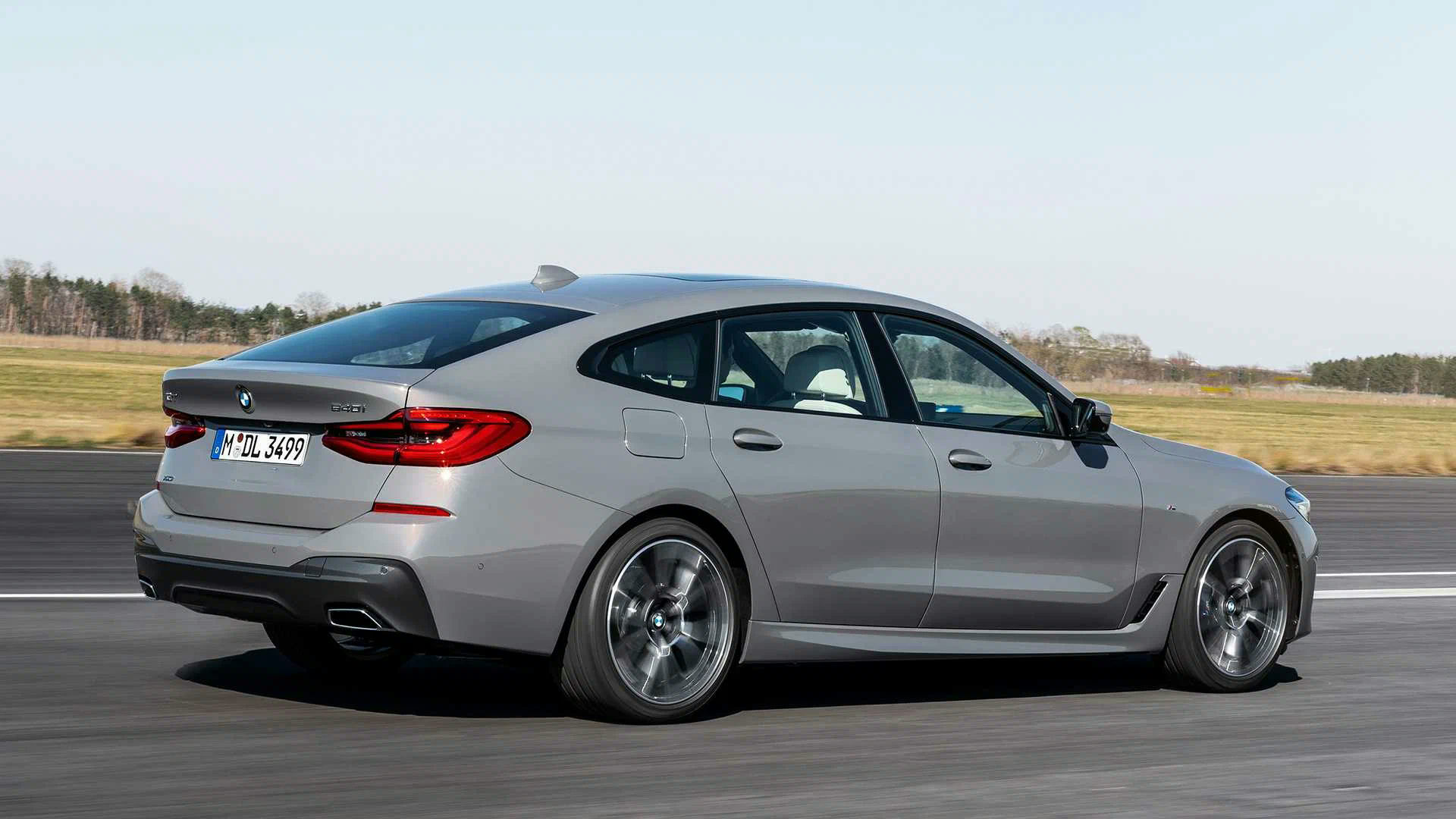
Are you curious about the innovative Liftback body style that's been turning heads in the automotive world? This unique design blends the practicality of a hatchback with the sleek look of a sedan, o…
- Group
- Body Style
History
The Evolution and Functionality of the Liftback Body Style
The liftback body style, making its first appearance in the automotive world during the 1960s and 70s, offers a unique blend of practicality and design. By incorporating a rear door that swings upward, similar to a hatchback but often sleeker in design, the liftback provides versatile access to its cargo space. This style is favored for its ability to combine the aerodynamic advantages of a fastback with the utility of a station wagon. The liftback's design allows for a larger rear opening, making it easier to load and unload items, all while maintaining a stylish, coupe-like silhouette. This combination has kept the liftback relevant in various car segments, from compact family cars to sporty coupes, delivering both form and function to modern vehicle design.
Pros
Improved Cargo Space
Liftback body styles often come with increased cargo space compared to traditional sedans. This is due to the extended rear area that makes it easier to load and transport larger items.
Versatile Usage
The liftback design allows the rear seats to fold down, significantly expanding the cargo area. This versatility means you can transport both passengers and larger items without sacrificing space.
Enhanced Aerodynamics
Liftbacks often have a sleeker, more aerodynamic shape. This can lead to better fuel efficiency and a quieter ride compared to boxier vehicle designs.
Easier Loading and Unloading
The hatch-style rear door of a liftback makes it simpler to load and unload items. The larger opening provides greater access, meaning you can comfortably fit in bulkier objects without having to maneuver them through a small trunk.
Better Rear Visibility
Liftbacks typically offer better rear visibility than traditional sedans. The larger rear window and lower tailgate can provide a better field of view, making reversing and parking less stressful.
Stylish and Modern Appearance
Liftbacks often have a more modern and sporty appearance. The sleek design appeals to many drivers who want their car to look contemporary without being excessively flashy.
Increased Resale Value
Cars with a liftback design tend to hold their value well over time. This is partly due to their practical benefits and the overall appeal of the body style, making them more attractive on the used car market.
Flexibility in Seating and Cargo
Liftbacks allow for flexible configurations of seating and cargo space. Whether you're heading out on a road trip or making a large purchase, the ability to reconfigure the interior as needed offers excellent convenience.
Cons
Reduced Rear Visibility
Liftbacks often come with a larger rear window that can provide a unique visual aesthetic, but that doesn't necessarily mean better visibility. In many models, the steep angle and design choices can create larger blind spots compared to traditional sedans. This could cause difficulties when performing maneuvers like reversing or changing lanes, even with advanced backup cameras.
Noise Intrusion
Liftback designs can result in more road and wind noise penetrating the cabin. The large rear hatch can sometimes act as a sounding board, making the interior noisier, especially at highway speeds. This extra noise can make long drives less comfortable and more tiring for the driver.
Potential Security Concerns
Due to the large rear window and expansive hatch area, there's often less privacy and security for your belongings. Passersby can easily see into the cargo space, increasing the risk of theft. Additionally, liftback locks and their mechanisms can sometimes be less robust, further compounding this concern.
Complexity of the Hatch Mechanism
The hatch mechanism in a liftback can be more complex and prone to maintenance issues compared to a standard trunk lid. With more moving parts and often integrated electronics for automatic opening, repairs can be costly and time-consuming. This complexity might be a hassle for the driver in the long run.
Design and Aerodynamics Compromises
While the sleek design of a liftback might appeal aesthetically, it sometimes comes at the expense of aerodynamics. The shape can create more drag, reducing fuel efficiency compared to more streamlined body styles. This is something drivers might notice, especially over long distances.
Liftbacks have their unique charm and functional advantages, but they also come with several drawbacks that drivers need to consider. Reduced rear visibility and increased noise levels can affect the driving experience, while the open cargo area raises security concerns. Additionally, the complexity of the hatch mechanism can lead to higher maintenance costs, and the design itself might impact fuel efficiency. Factor in how much these cons might impact your daily driving before opting for this body style.
Examples
Liftback body styles have been sought after in the automotive world for their unique combination of practicality and aesthetics. One notable example is the Toyota Celica, particularly the seventh generation which ran from 1999 to 2006. The Celica's liftback design facilitated easy access to the cargo area while maintaining an athletic profile, making it appeal to both younger buyers and performance enthusiasts. This design allowed drivers to enjoy a sporty appearance without sacrificing the convenience of additional cargo space.
Audi A5 Sportback
Another prominent example is the Audi A5 Sportback. The A5 Sportback showcases how luxury brands approach the liftback style. This car seamlessly blends high-end materials and cutting-edge technology with a practical, liftback design. It's particularly popular among those who appreciate the finer things but require more from their vehicle than just a pretty face—easy access and versatile storage without a hitch.
Ford Mustang Mach-E
Ford's Mustang Mach-E also adopts the liftback body style but does so from a modern perspective as an all-electric vehicle. Its design caters to the growing market of eco-friendly drivers who still crave performance and style. The liftback configuration enhances its usability, allowing ample room for groceries, luggage, or sports equipment, balancing the sporty and spacious elements efficiently.
Volkswagen Arteon
The Volkswagen Arteon is another sedan that has benefited from the liftback body style. This mid-sized executive car is designed with business professionals in mind who need a stylish, comfortable ride for their daily commute. The Arteon incorporates a large rear opening while maintaining a sleek, fastback look. Its trunk is incredibly roomy, making it as pragmatic for long business trips as it is for weekend getaways.
Hyundai Ioniq 5
Hyundai's Ioniq 5 has taken the liftback design into the electric era with a blend of retro and futuristic elements. It offers a spacious interior and a practical rear hatch, which opens up to a surprisingly large cargo area. This makes it a strong contender in the market for those who prioritize environmental consciousness yet still need a car that’s versatile and usable in everyday scenarios.
Kia Stinger
The Kia Stinger is another excellent example of the liftback style being applied to a modern performance vehicle. Known for its potent engines and sport-luxury features, the Stinger doesn't compromise on practicality. The liftback rear end lets owners easily load and unload luggage or gear, blending spirited driving with every-day usability.
Skoda Superb
Lastly, the Skoda Superb is a notable inclusion, particularly in the European market. This car appeals to a wide audience, from families to professionals, thanks to its generous interior space and large, easily accessible liftback trunk. The Superb manages to tackle the challenges of being an executive car while ensuring ease of use and ample storage, striking a commendable balance.
These examples underscore the versatility of the liftback body style across a variety of car categories—from luxury sedans and sporty coupes to electric vehicles and practical family cars. While not confined to any single type of car, the liftback design consistently emphasizes an efficient blend of form and functionality.