Full Hybrid Powertrain: Redefining Fuel Efficiency and Eco-Friendliness
Are you curious about the buzz behind full hybrid powertrains and how they are changing the landscape of modern driving? In this article, we’ll dive into the fascinating history of full hybrid techno…
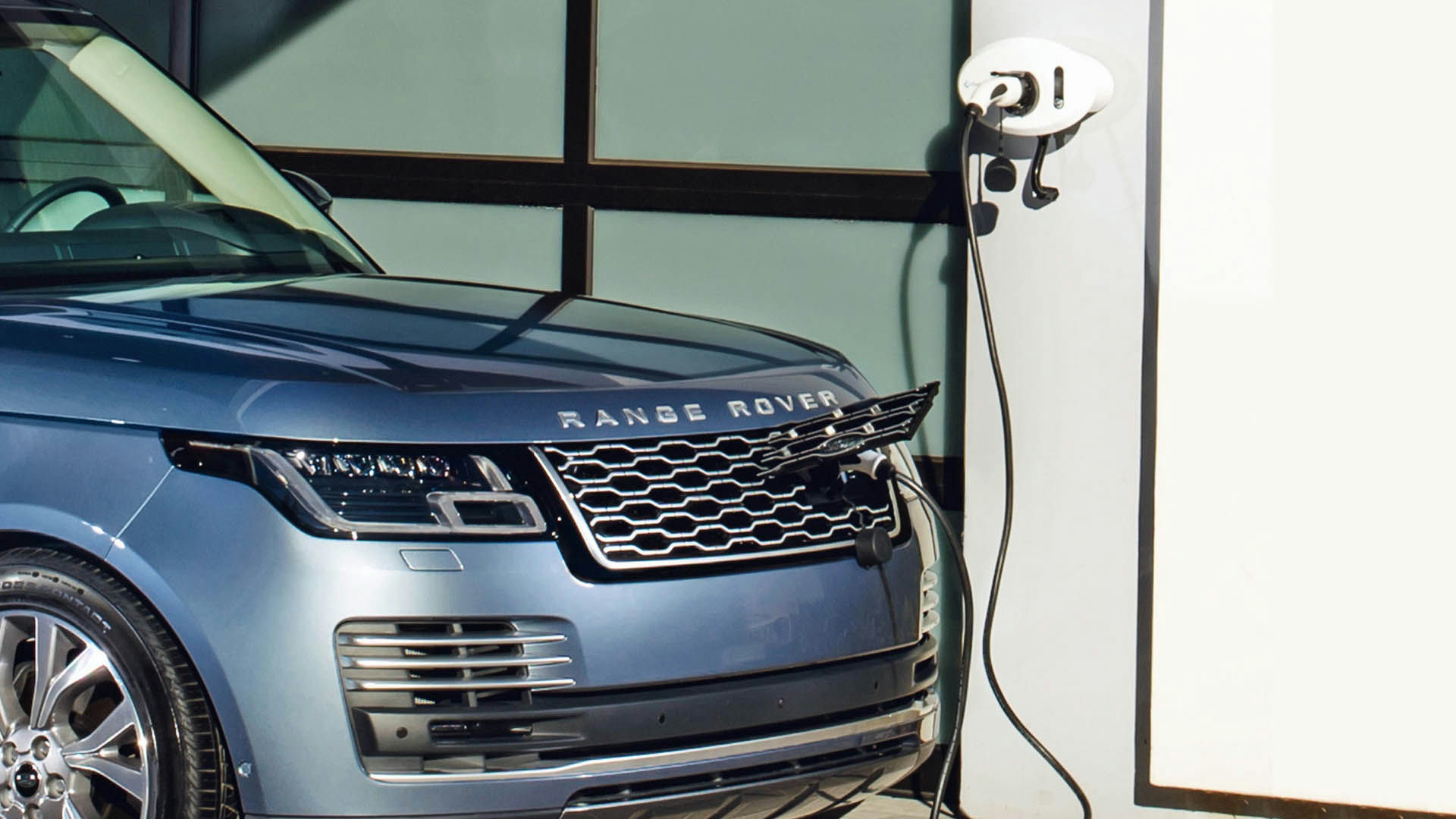
Group: Hybrid Powertrain
Are you curious about the buzz behind full hybrid powertrains and how they are changing the landscape of modern driving? In this article, we’ll dive into the fascinating history of full hybrid technology, explore its key advantages and drawbacks, and provide real-world examples of vehicles that use these advancements effectively. Whether you're considering a switch to a hybrid or just want to understand the technology better, join us as we break it all down. From fuel efficiency to environmental impact, we’ll cover everything you need to know to be well-informed.
Join the AutoFame community. Become a member for free, add your car to the garage and tell its story. Join AutoFame.
History
The Evolution and Functionality of Full Hybrid Powertrains: A Balanced Perspective
The history of the Full Hybrid Powertrain dates back to the late 20th century, with Toyota's Prius debuting in Japan in 1997 as the first mass-produced hybrid vehicle. This groundbreaking technology combines a traditional internal combustion engine with an electric motor, both of which can power the car independently or together. The Full Hybrid Powertrain is used primarily for its ability to improve fuel efficiency and reduce emissions, making cars more eco-friendly without compromising performance. The system works by seamlessly switching between the gasoline engine and the electric motor, or running both simultaneously, which allows for optimal energy use and recovery, especially during acceleration and deceleration. While there are both advocates and critics of hybrid technology, its implementation demonstrates a significant step towards more sustainable automotive engineering.
Pros
Fuel Efficiency
Full hybrid powertrains are designed to maximize fuel efficiency by combining a gasoline engine with an electric motor. The electric motor assists the gasoline engine during acceleration and can even power the car at low speeds. This reduces the amount of fuel needed, especially in stop-and-go traffic. By consuming less fuel, drivers can save money on gas and reduce their carbon footprint.
Reduced Emissions
Because the electric motor takes on a significant part of the driving load, emissions are generally lower in full hybrids compared to traditional gasoline-only vehicles. This is especially beneficial in urban areas where air quality can be a concern. Lower emissions contribute to cleaner air and a smaller environmental impact. For drivers, this means a more eco-friendly way to travel.
Regenerative Braking
Full hybrids come equipped with regenerative braking systems that capture kinetic energy usually lost during braking and store it in the battery. This process not only extends the life of brake components but also helps recharge the battery, making the system more efficient. Drivers will experience less frequent brake maintenance and a smoother, more efficient ride.
Quiet Operation
At low speeds or while idling, the electric motor can operate independently, offering a virtually silent driving experience. This is particularly beneficial in traffic or residential areas where noise can be a concern. For drivers, this translates into a quieter and more serene driving environment, reducing stress and improving overall comfort.
Extended Driving Range
Full hybrids often come with improved driving range due to their ability to switch between or combine gasoline and electric power. This feature can be particularly useful on long trips, reducing the need for frequent stops to refuel. Drivers can enjoy the flexibility of traveling longer distances without worrying about running out of power.
Cons
Higher Initial Cost
Full hybrid vehicles tend to have a steeper sticker price compared to their conventional counterparts. This is primarily due to the dual powertrain system they incorporate, which combines a gasoline engine with an electric motor and battery pack. This added expense can make hybrids less accessible for some buyers. However, potential savings on fuel and potential tax incentives can help offset this initial cost over time.
Complex Maintenance
The combination of an internal combustion engine and an electric motor makes for a more complicated vehicle system overall. This can mean more specialized maintenance requirements and potentially higher costs for repairs. While many hybrid systems are designed to be robust, issues with either the battery or the hybrid system can be both time-consuming and expensive to resolve.
Heavier Vehicles
Hybrids generally weigh more than their non-hybrid counterparts because of the additional components such as the battery pack and electric motor. This added weight can sometimes result in reduced handling and performance, particularly in terms of acceleration and cornering. However, advancements in technology are helping to mitigate these issues, though they haven't been completely eliminated.
Limited Battery Life
Even though the battery technology in hybrids has improved over the years, the batteries don't last forever. Replacing the hybrid battery can be costly and must often be done after several years of usage. This can be a significant downside for long-term ownership, especially as vehicles age and other maintenance issues arise simultaneously.
Potentially Limited Performance
While hybrids are engineered for efficiency rather than outright performance, drivers used to the power delivery of traditional engines may find hybrids less satisfying to drive. The seamless transition between electric and gasoline power can sometimes feel less responsive or sporty. However, most drivers find that the fuel savings and environmental benefits make this a worthwhile trade-off.
Examples
Now, let's dive into some notable examples of full hybrid powertrains in real-world cars.
Have a car with a story like this? Become an AutoFame member and share it with people who love cars as much as you do.
The Toyota Prius is often the poster child for full hybrid technology. This car uses a combination of a gasoline engine and an electric motor to offer impressive fuel efficiency. On city streets, where low speeds dominate, the Prius can run mostly on electric power, switching to the gas engine as needed. This makes it particularly well-suited for urban commuting where stop-and-go traffic is common.
Ford Escape Hybrid
Ford has also embraced full hybrid technology, most famously with the Ford Escape Hybrid. Much like the Prius, the Escape utilizes both an electric motor and a gasoline engine. What's interesting about this vehicle is that it offers the SUV experience with better fuel efficiency, making it a practical choice for families. Its hybrid system is effective both on highways and in city environments, providing a good balance between performance and economy.
Honda Accord Hybrid
Honda's Accord Hybrid is another prime example. Unlike some hybrids that mainly focus on fuel efficiency, the Accord Hybrid tries to bring a bit more performance into the mix. The car can seamlessly switch between its electric motor and gas engine, resulting in a smooth driving experience that still offers better mileage than traditional gas-powered vehicles.
Hyundai Ioniq Hybrid
The Hyundai Ioniq Hybrid follows a similar path. Designed to compete directly with the likes of the Prius, the Ioniq proves that Hyundai can also play in the hybrid space effectively. With its streamlined design aimed at reducing drag and maximizing fuel efficiency, the Ioniq Hybrid offers a strong alternative to more established hybrid models.
Chevrolet Malibu Hybrid
Chevrolet has its own entry with the Malibu Hybrid. Like other hybrids, it moves smoothly between gas and electric power. What's nice about the Malibu Hybrid is that it offers a familiar, midsize sedan experience without forcing the driver to compromise too much on either performance or comfort, all while saving on fuel.
Lexus RX 450h
Lastly, the Lexus RX 450h gives us a taste of luxury in the hybrid world. This SUV blends the elegance and comfort that Lexus is known for with a full hybrid powertrain. It’s an appealing choice for those who want a bit more style and higher-end features but still care about reducing their carbon footprint.
These examples show that full hybrid powertrains aren’t limited to one type of vehicle. Whether it’s a compact car, a midsize sedan, an SUV, or even a luxury vehicle, full hybrid powertrains offer versatility and efficiency across various segments of the automotive market.
About AutoFame
AutoFame is a home for people who love cars and the stories behind them. Every car on a show field or in a garage has a history: who built it, who saved it, the road trips, the late nights in the shop and the people who helped along the way. AutoFame gives those stories a place to live, so they are not lost when the hood closes or the car changes hands.
Membership is free. Once you join, you can add your car to your own AutoFame garage with photos, specs and the story only you can tell. Restorations, survivors, daily drivers, race cars and family heirlooms all belong here. Other members can find your car, follow its progress and connect with you over the details that matter to car people.
Beyond member garages, AutoFame publishes stories, guides and features on the cars, builders and history that shape car culture. You will find buying and restoration guides, car parts explainers, special editions, the newest models and the classics that started it all. The AutoFame Gallery puts member cars on display for anyone to browse, and the AutoFame YouTube channel adds owner interviews, show highlights and the conversations that happen around a good car.
AutoFame is also built for the people who run car shows. Organizers use it to manage entries and judging, and judges score each car category by category on their phones, with a written guide for every category so nothing gets skipped. After a judged show, owners can see what their car was scored on and how it compared. Shows across the Texas Gulf Coast have run on AutoFame, including the Moody Gardens Car Show in Galveston, Good Grub and Gears, and Keels and Wheels at Lakewood Yacht Club.
AutoFame was founded by Kevin Brady, whose own life in cars began long before he started building tools for the hobby. The idea is simple: the people who love these cars should have one place to share them, learn from each other and keep the stories going.
Whether you own a show winner, a project that is still in pieces or simply love reading about great cars, there is room for you here.
Be part of the AutoFame community. Join free and become a member today.