Flat-6 Engine Layout: Performance and Reliability Unveiled
The Flat-6 engine layout is a fascinating marvel in the world of automobile engineering that has intrigued car enthusiasts for decades. Known for its smooth operation and balanced design, this powerh…
- Group
- Engine Layout
History
The Fascinating History and Functionality of the Flat-6 Engine Layout
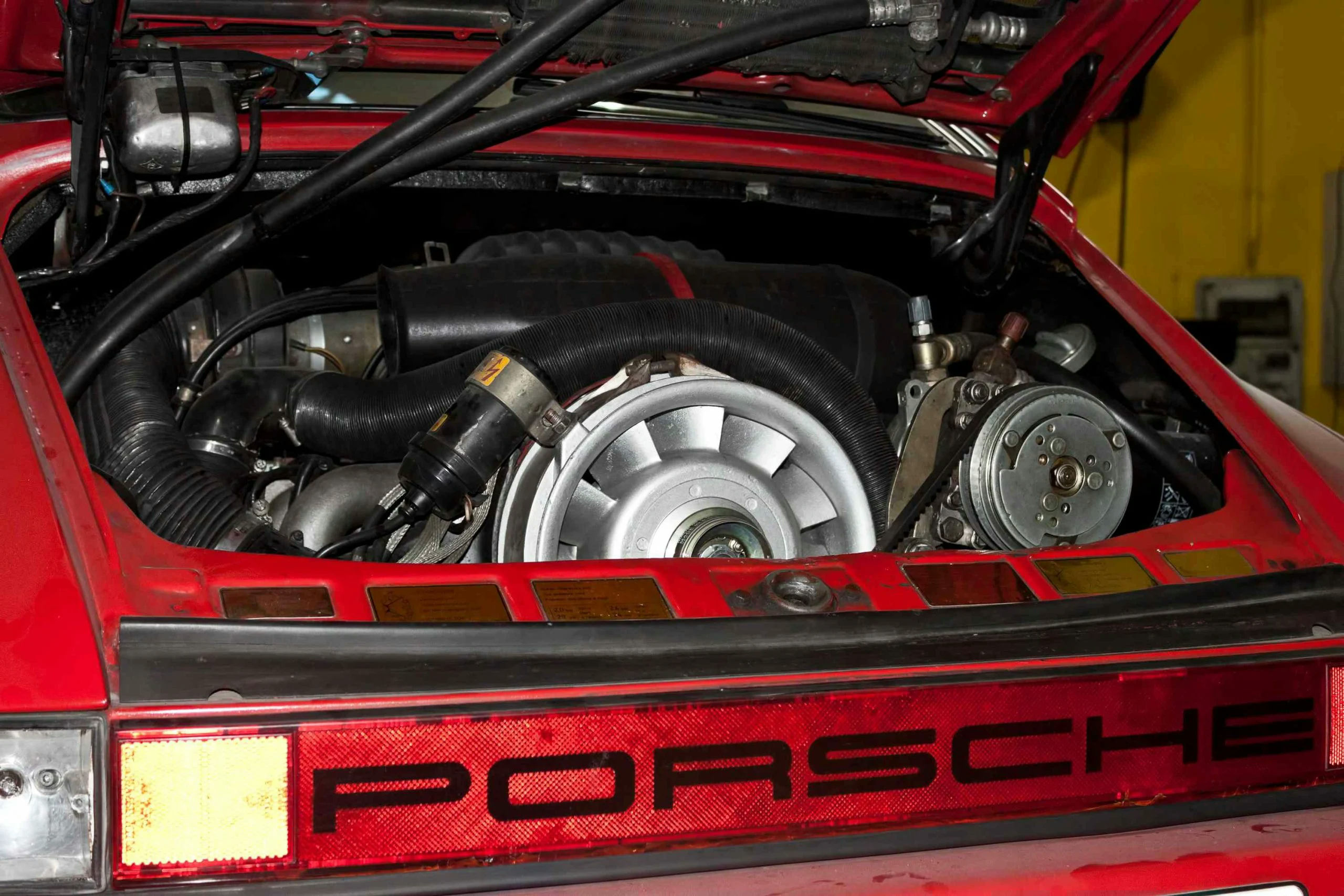
The Flat-6 engine layout has a storied history that dates back to the early 20th century, with its roots in aviation and its evolution into a beloved feature in automotive engineering. This engine type, known for its horizontally opposed cylinders, was pioneered to offer a lower center of gravity, contributing to better vehicle stability and handling. Unlike traditional inline or V-shaped engines, the Flat-6 uses a symmetrical design where pistons move horizontally, a configuration that naturally balances the engine, reducing vibrations without the need for additional balance shafts. Found in iconic cars such as the Porsche 911 and Subaru's performance models, the Flat-6 is prized for its smooth operation and unique sound. Its efficient packaging allows for a lower hood line, enhancing aerodynamics and design flexibility. Taller engines might struggle with such versatility, but the Flat-6 seamlessly marries performance with practicality, maintaining its relevance in both classic and modern automotive landscapes.
Pros
Lower Center of Gravity
A Flat-6 engine has a significantly lower center of gravity compared to other engine layouts. This directly translates to improved handling and stability, especially during cornering. The car feels more planted to the road, enhancing driver confidence.
Smooth Power Delivery
The configuration of a Flat-6 engine allows for a very balanced operation. This results in smooth power delivery with minimal vibrations. Drivers often notice the lack of harshness and appreciate a more refined driving experience.
Compact Design
A Flat-6 engine, while wide, tends to have a lower profile. This can allow for a more aerodynamic vehicle design and more efficient use of space. For engineers, it makes design flexibility easier, and for drivers, it often means sleek, beautiful cars.
Efficient Cooling
The horizontally opposed cylinders of a Flat-6 can be easier to cool than other layouts. This can lead to a more consistent performance during extended driving sessions. Drivers might find that their car performs better under demanding conditions.
Enhanced Engine Longevity
The balanced nature of a Flat-6 layout places less stress on engine components. This can contribute to longer engine life and potentially lower maintenance costs. Drivers who value durability may find this aspect particularly appealing.
Cons
Limited Vehicle Compatibility
The flat-6 engine layout is not compatible with all kinds of vehicles. Its wide and low design makes it difficult to fit into many traditional vehicle platforms, which often require more vertical space for the engine compartment.
Challenging Maintenance Accessibility
Maintaining a flat-6 engine can be challenging due to its layout. The placement of components like the spark plugs, exhaust manifolds, and other engine parts can be difficult to reach, often requiring significant disassembly to perform basic maintenance tasks.
Complex Cooling System
The cooling system in a flat-6 engine can be more complex than in other engine layouts. Ensuring proper cooling for the horizontally opposed cylinders requires a well-designed and potentially more expensive cooling system to prevent overheating and maintain optimal performance.
Higher Production Costs
Producing a flat-6 engine tends to be more costly. The unique design and engineering needed for this engine type often result in higher manufacturing costs, which can translate to a higher purchase price for the vehicle.
Specialized Repair Knowledge
Fixing issues with a flat-6 engine often necessitates specialized knowledge. General mechanics might not be as familiar with the intricacies of this engine layout, making it potentially more difficult and expensive to find qualified service technicians.
In essence, while the flat-6 engine layout offers a unique design and certain performance benefits, it also comes with some notable drawbacks. The wide and low configuration limits its compatibility with many vehicle platforms, and the complex accessibility can make maintenance more of a hassle. Additionally, cooling systems need special attention due to the horizontal arrangement of the cylinders. Production and repair costs can be higher, requiring specialized knowledge that not all mechanics may possess. Thus, while it's a fascinating and efficient engine design, it does pose several practical challenges.
Examples
The Flat-6 engine layout has found its application in a variety of cars, providing a unique blend of balance and performance. One of the most notable users of the Flat-6 engine is Porsche, particularly in their iconic 911 lineup. The 911 series, including models like the Carrera, Turbo, and GT3, leverages the Flat-6 engine to deliver exceptional handling dynamics and a low center of gravity. This layout's compact nature allows for better weight distribution, which is crucial for the 911's rear-engine design.
Subaru SVX
The Subaru SVX, produced in the early 1990s, is another example where the Flat-6 engine was employed. Subaru chose the Flat-6 for the SVX to achieve a smoother and more refined driving experience, distinguishing it from the more common inline or V-type engines. The Flat-6 in the SVX helped provide steady power delivery and lower vibration levels, enhancing the car's appeal as a grand tourer.
Chevrolet Corvair
Porsche isn't the only brand to utilize the Flat-6 layout extensively. The Corvair by Chevrolet also featured this engine in the 1960s. The Corvair used the Flat-6 to achieve:
- A lower hood line
- Better aerodynamics
This resulted in a more sleek design and improved handling. The engine's placement at the rear also contributed to the car’s unique balance and driving characteristics.
Volkswagen Phaeton
The Volkswagen Phaeton had a very limited application of a Flat-6 engine. Though more of a luxury sedan, in one of its iterations, it utilized the layout for a specific market to provide a balanced and refined motoring experience. While not as performance-oriented as other examples, this nevertheless showcases the versatility of the Flat-6 engine placement.
Honda Gold Wing
Lastly, the Honda Gold Wing motorcycle breaks the four-wheel mold by using a Flat-6 engine. Its application in a motorcycle emphasizes the layout's compactness, smooth power delivery, and balance. The engine's design provides a low center of gravity which is paramount for motorcycle stability and handling.
The Flat-6 engine layout is versatile and used across a variety of vehicles mainly due to its compact size, balance, and smooth performance. Whether in high-performance sports cars, luxury sedans, or even motorcycles, the Flat-6 offers unique benefits suited to different driving experiences.