Fastback Body Style: A Dive into Iconic Design
Imagine cruising down the open road in a sleek car that commands attention with its unique style—welcome to the world of the Fastback body style. In this article, we’ll dive into the rich history of …
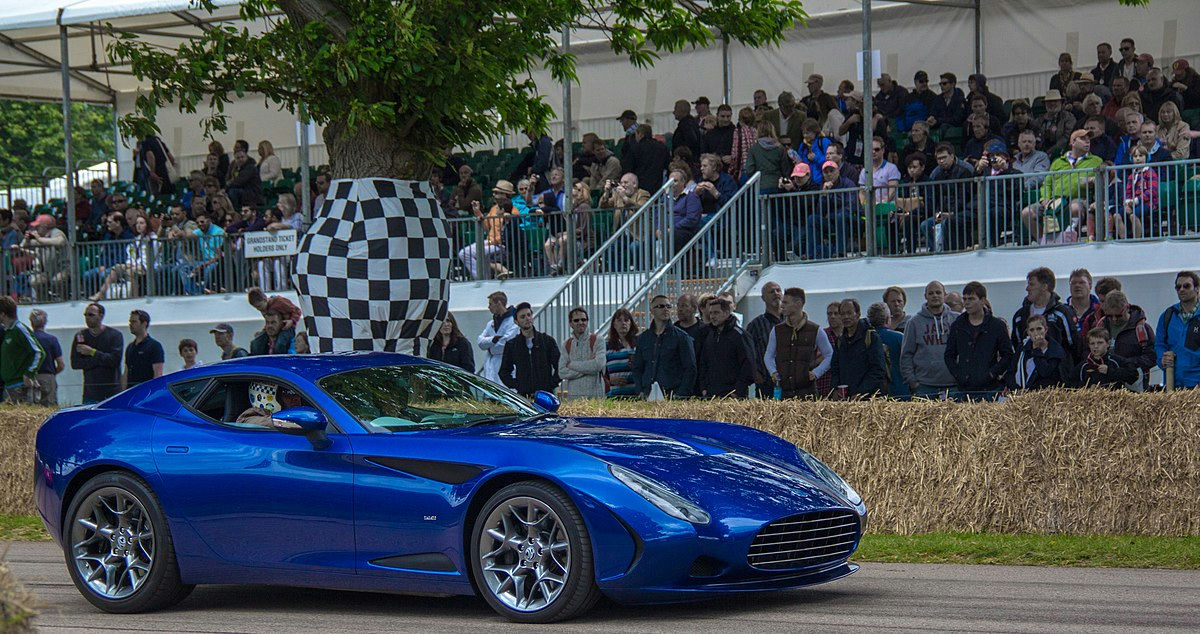
- Group
- Body Style
History
The Evolution and Function of the Fastback Body Style in Automobiles
The fastback body style has a compelling history in the automotive world, blending aesthetics and aerodynamics to create some of the most memorable cars on the road. This design, characterized by a continuous slope from the roof to the rear, emerged prominently in the 1930s and 1940s. It gained significant traction post-World War II, with automakers like Ford, Chevrolet, and Pontiac crafting eye-catching models that turned heads. The fastback design wasn't just for looks; its streamlined shape reduced drag, improving fuel efficiency and top speed. This body style cleverly directs airflow over the car, which serves not only in enhancing the vehicle's performance but also in giving it a sleek, modern appearance. While the fastback fell out of favor in the late 20th century, it has seen a resurgence in recent years, particularly in the realm of sports cars and high-performance vehicles, where its aerodynamic advantages play a crucial role.
Pros
Aerodynamic Efficiency
Fastback body styles typically offer improved aerodynamic efficiency due to their smooth, sloping rear design. This reduces air drag, meaning your car can maintain speed with less effort, potentially improving fuel economy. Additionally, better aerodynamics can enhance stability at higher speeds, making the drive smoother and more controlled. This is especially beneficial for highway driving or long road trips.
Sporty Aesthetic Appeal
The sleek lines of a fastback body style give your car a sporty and aggressive look that stands out on the road. This can make a significant impact on your vehicle's overall appearance, lending it a more modern and dynamic presence. For many drivers, the visual appeal is a key factor in vehicle satisfaction. While it doesn't affect functionality, it certainly adds to the joy of ownership.
Increased Cargo Space
Fastbacks often provide more cargo space compared to traditional sedans because of their extended roofline. This design offers a larger trunk area, which can be more convenient for carrying bulky items. Unlike regular sedans, you can often fold down rear seats more easily, expanding the available space further. This practical advantage can be a big plus for those who need to haul lots of gear or luggage.
Enhanced Rear Visibility
The sloping rear window design of a fastback can provide better rearward visibility compared to some other body styles. This can improve your ability to see what's behind you when reversing or changing lanes. Better visibility can lead to safer driving by reducing blind spots. It's a feature that many drivers appreciate in daily use.
Greater Structural Rigidity
Fastbacks can offer increased structural rigidity due to their design, which can improve overall driving dynamics and safety. A more rigid body structure can lead to sharper handling and a more responsive drive. This can be particularly noticeable while cornering or driving on winding roads. While it might not be the sole reason to choose a fastback, it adds to the overall driving experience.
Cons
Limited Rear Visibility
In fastback cars, the sloped rear window and roofline can limit your rear visibility. This can make reversing and changing lanes more challenging, requiring greater reliance on your mirrors and technology like backup cameras.
Reduced Headroom
The sleek design of a fastback often means less headroom for backseat passengers. Taller passengers might find it uncomfortable on longer trips due to the sloping roofline.
Decreased Cargo Space
While fastbacks can look stylish, the cargo space can be compromised. The dramatic roofline eats into the available trunk area, which can be a hassle when trying to load bulkier items.
Limited Rear Window Opening
Fastbacks typically come with smaller rear windows that don’t open fully, which can limit ventilation. This might not be a big deal for everyone, but for those who enjoy a good flow of fresh air, it could be an issue.
Higher Insurance Costs
Due to their aesthetic appeal and potentially higher repair costs, fastbacks can sometimes lead to slightly higher insurance rates. The unique body work can be more expensive to fix in the event of an accident.
Potential Rear Seat Accessibility Issues
The sloping roofline can make it trickier to get in and out of the back seats. For those frequently driving passengers, especially older adults, this could be inconvenient.
Impact on Handling
The shape of a fastback can affect its center of gravity and weight distribution. While many fastbacks are designed for performance, there might be a trade-off in how the car handles, especially under extreme driving conditions.
Fastbacks have a distinct, stylish look that appeals to many, but they do come with some trade-offs. The sloping rear window design can make it tougher to see what's behind you, which might require more reliance on mirrors and technology. Backseat passengers, especially taller ones, might find the headroom lacking, making long journeys less comfortable. The reduced cargo space due to the sleek roofline can be a constraint when you have larger items to transport. Also, the design often results in smaller rear windows, which might not provide as much ventilation as you’d like. Lastly, given their distinctive style, the cost of insuring and repairing a fastback can be higher compared to more conventional body types.
Examples
One quintessential application of the fastback body style in American automotive history is the 1965-1973 Ford Mustang. From its inception, the Mustang's design incorporated a sleek, gradual slope from the roofline to the rear of the car, which not only added to its sporty appearance but also enhanced its aerodynamic efficiency. The Mustang fastback became a symbol of power and speed, distinguishing itself from the conventional coupe with its unique profile.
Dodge Charger
Another notable example is the Dodge Charger, particularly the models from the late 1960s. The 1968 Charger, for instance, showcased a pronounced fastback design that contributed to its aggressive stance and muscular build. The fastback design was complemented by the car's powerful performance, making it a favorite in the muscle car era.
Chevrolet Camaro
The Chevrolet Camaro also embraced the fastback style, especially evident in the late 1960s and early 1970s models. The Camaro's fastback conveyed a sense of motion even when the car was stationary, adding to its visual appeal. This design choice further strengthened its rivalry with the Mustang, as both featured similar aerodynamic silhouettes.
European Adoption
European manufacturers have also capitalized on the fastback style.
Aston Martin DB5: It became renowned not just for its appearance in James Bond films but also for its stylish and subtle fastback design, which offered a blend of luxury and sportiness.
Porsche 911: Known for its iconic fastback shape that has remained largely unchanged through decades, emphasizing the design's timeless appeal.
Japanese Innovations
Japanese automakers have tapped into this design as well. The Nissan 240Z from the 1970s is a prime example of a Japanese sports car that adopted the fastback body style. Its long hood and sloping rear gave it a distinctly sleek look, which, paired with its performance, made it a popular choice for driving enthusiasts.
Modern Applications
In modern applications, the Tesla Model S is a contemporary example of how the fastback design has evolved with technology. Its smooth, aerodynamic lines taper toward the rear seamlessly, combining the aesthetic of a fastback with the practicality and efficiency required for electric vehicles. This design choice aids in reducing drag, which is crucial for optimizing the range of electric cars.
Overall, the fastback body style has been utilized across different car brands and eras, benefiting both performance and aesthetics. Whether for classic muscle cars or modern electric vehicles, the fastback has proven itself to be versatile and enduring, adapting to various automotive trends and needs.