Diesel Fuel: History, Uses, Pros & Cons
Diesel fuel has long been a hot topic in the world of automobiles, often sparking debate for its unique characteristics. In this article, we’ll delve into the fascinating history of diesel fuel, expl…
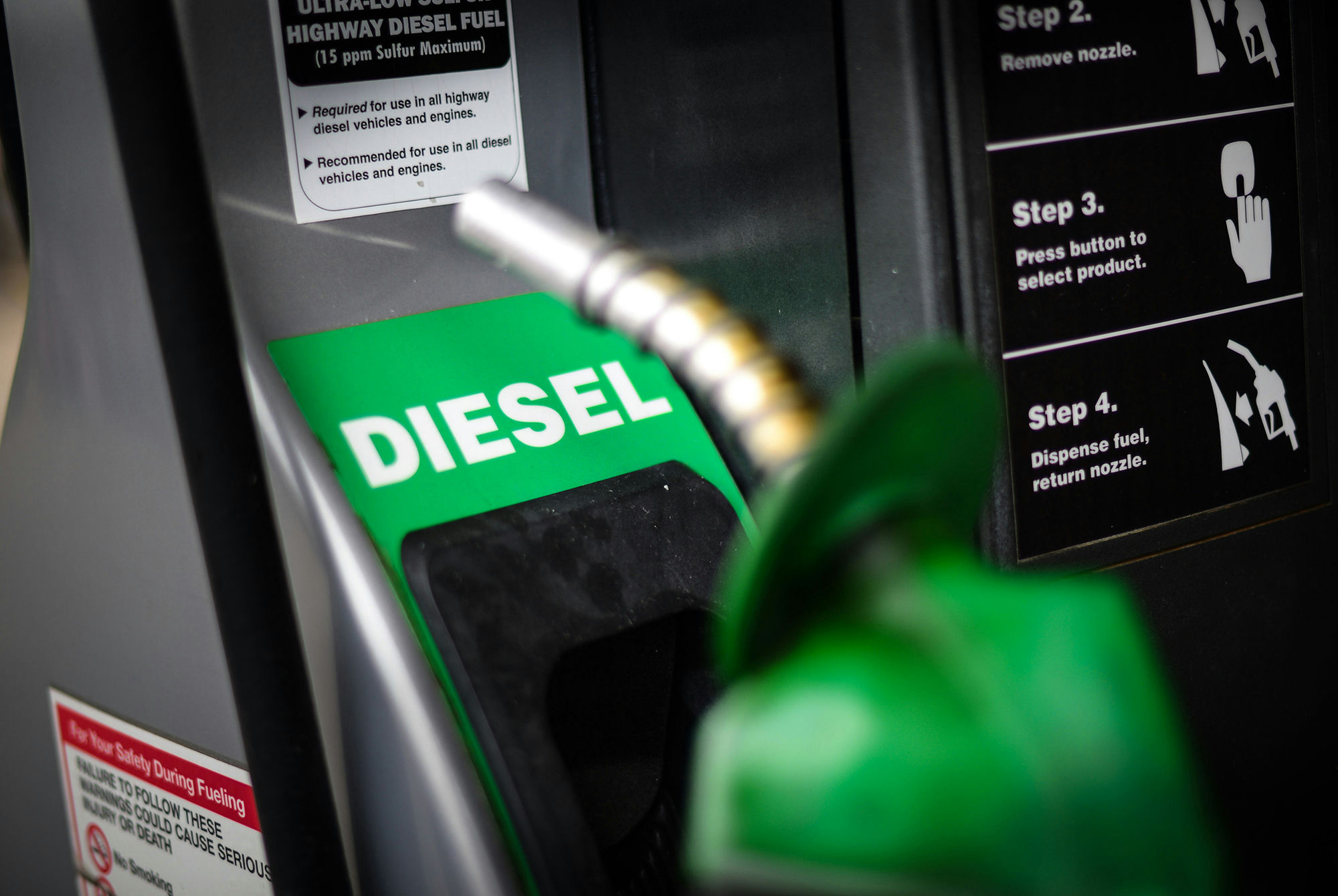
Group: Fuel
Diesel fuel has long been a hot topic in the world of automobiles, often sparking debate for its unique characteristics. In this article, we’ll delve into the fascinating history of diesel fuel, explore its key advantages and drawbacks, and highlight some of the vehicles where it's commonly used. From its origins to its modern applications, you'll get a comprehensive look at why diesel fuel continues to play a significant role in the automotive industry. So, buckle up and let's drive into the world of diesel!
Join the AutoFame community. Become a member for free, add your car to the garage and tell its story. Join AutoFame.
History
The Evolution and Mechanics of Diesel Fuel
Diesel fuel has an intriguing history that dates back to the late 19th century when it was first developed by the German engineer Rudolf Diesel. Unlike gasoline, diesel fuel is used primarily in engines designed for heavy-duty vehicles such as trucks, buses, and machinery. The reason behind its widespread use lies in its efficiency and energy density. Diesel engines work through a process known as compression ignition, where air is compressed until it gets hot enough to ignite the fuel injected into the cylinder. This method results in higher fuel efficiency and more torque, making diesel engines well-suited for applications requiring substantial power and endurance. While diesel fuel offers remarkable benefits, it also carries challenges such as emissions control and fuel quality. Understanding both the strengths and complexities of diesel fuel helps in appreciating its critical role in our transportation and industrial sectors.
Pros
Better Fuel Efficiency
Diesel engines generally offer better fuel efficiency compared to gasoline engines. This means you can cover more miles per gallon, easing your fuel expenses over time. This is especially beneficial for drivers who cover long distances regularly. You’ll find yourself stopping less frequently at gas stations, which can save both time and money.
Longer Engine Life
Diesel engines are built robustly, designed to withstand higher compression levels. This durability often translates to a longer lifespan for the engine. Owners who plan to keep their vehicle for many years might appreciate this aspect. The longevity can also add to the resale value of the car.
Higher Torque
Diesel engines produce greater torque at lower RPMs. This characteristic makes them excellent for towing and hauling heavy loads. If you're into activities that require a lot of pulling power, a diesel engine will provide that edge. This can be particularly important for trucks and larger vehicles.
Better Resale Value
Diesel vehicles tend to have a higher resale value compared to their gasoline counterparts. This is due to their longevity and fuel efficiency, which are appealing to second-hand buyers. If you plan to sell your vehicle down the line, this might allow you to recoup a better percentage of your initial investment. It’s a factor worth considering for budget-conscious drivers.
Lower CO2 Emissions
Diesel engines generally emit less CO2 per mile than gasoline engines. This can make them a more environmentally-friendly option in terms of greenhouse gases. While they do produce other pollutants like NOx, their lower CO2 emissions are still a significant advantage. This aspect can also be a point of compliance with certain environmental regulations.
Better Performance in Low-End Power
Diesels excel in delivering power at the lower end of the RPM range. This means better acceleration from a standstill or at low speeds, making city driving more efficient. Many drivers enjoy the immediate, punchy response of diesel engines in everyday conditions. It’s a different but satisfying kind of performance.
Cons
Higher Initial Cost
Diesel cars usually come with a higher price tag compared to their gasoline counterparts. This is largely due to the durable construction of diesel engines, which require stronger materials to handle the higher pressures they operate under. While this means the engine can potentially last longer, the up-front investment can be a deal-breaker for some buyers. Over time, the higher initial cost may be offset by fuel savings, but for many, the initial financial hit is significant.
Higher Maintenance Costs
Maintaining a diesel engine can be more expensive than maintaining a gasoline engine. Diesel engines often require more frequent oil changes and have pricier components like fuel injectors and turbochargers. These parts need specialized care, which can increase the cost of regular maintenance. The overall reliability may be high, but when repairs are needed, they can be costly.
Fuel Availability Issues
Not all gas stations carry diesel fuel, especially in more remote or less populated areas. This can inconvenience drivers who have to plan their routes more carefully to ensure they can refuel when needed. While larger urban centers usually have ample diesel availability, the occasional long trip might pose challenges. This limitation can give gasoline car owners a bit more peace of mind.
Noisier Engine
Diesel engines are generally louder and more vibration-prone than gasoline engines. The characteristic clatter of a diesel engine can be off-putting to some, particularly if they’re used to the smoother, quieter operation of a gas-powered vehicle. Sound-dampening technologies have improved significantly, but a noticeable difference remains. This may affect overall driving comfort, particularly on longer journeys.
Heavier Emissions Equipment
To meet stringent emissions standards, diesel vehicles often come equipped with complex systems like particulate filters and selective catalytic reduction (SCR). These systems add weight to the vehicle and require regular maintenance, including the periodic replacement of filters. While they help make diesel engines cleaner, they also add another layer of responsibility and cost for the driver.
Lower RPM Range
Have a car with a story like this? Become an AutoFame member and share it with people who love cars as much as you do.
Diesel engines operate at lower RPMs (revolutions per minute) compared to gasoline engines. This can translate to a different driving experience, often characterized by more low-end torque but less high-end power. While this can be a plus for towing and fuel efficiency, it might not satisfy those who enjoy the high-revving nature of gasoline engines. It's a trade-off that affects how the car feels to drive.
Examples
Diesel fuel has a broad range of applications in the automotive world, particularly in vehicles that require robust performance and high efficiency.
Heavy-Duty Trucks
One notable example is the Ford F-250 Super Duty. This heavy-duty truck often comes equipped with a Power Stroke Diesel engine, known for its exceptional torque and fuel economy, making it a preferred choice for towing and heavy hauling. The diesel option gives the F-250 the muscle to handle demanding jobs that a gasoline engine might struggle with.
Another Chevrolet Silverado 1500 utilizes diesel fuel effectively. With the Duramax® 3.0L Turbo-Diesel engine, the Silverado offers an impressive balance of power and fuel economy. This diesel engine gives the truck a smooth and robust driving experience, which is advantageous when towing or carrying heavy loads, but also keeps fuel costs manageable for daily driving.
Compact Cars
Another common application can be found in European cars, such as the Volkswagen Golf TDI. The TDI (Turbocharged Direct Injection) diesel engine in this compact car offers outstanding fuel efficiency and longevity. It's a popular choice among those who drive long distances regularly because diesel engines generally provide more miles per gallon compared to their gasoline counterparts.
Luxury Sedans
The Mercedes-Benz E-Class, specifically the E350 BlueTEC model, showcases how diesel engines are not limited to just trucks and utility vehicles. This luxury sedan uses a diesel engine to deliver a ride that is both powerful and refined. The BlueTEC technology also helps reduce emissions, offering an eco-friendlier diesel option without sacrificing performance.
SUVs
Similarly, the Jeep Grand Cherokee EcoDiesel exemplifies how diesel engines can be employed in SUVs to provide better fuel efficiency and enhanced torque for off-road capability. The EcoDiesel variant is particularly popular among those who use their Grand Cherokee for both city driving and adventurous trips, where strong low-end torque and efficient fuel consumption are advantageous.
Sporty Sedans
Lastly, the BMW 328d adds another angle to diesel application in cars. This sporty sedan benefits from a diesel engine that gives it a blend of performance and efficiency that's hard to match. The 328d is geared towards drivers who appreciate the driving dynamics BMW is known for, combined with the excellent fuel economy that a diesel engine can offer.
In summary, diesel fuel is used across a variety of vehicles—from heavy-duty trucks and luxury sedans to compact cars and SUVs. Its application serves those looking for better torque for towing, enhanced fuel efficiency for long commutes, or a balance of both in daily driving situations. Each of these vehicles benefits uniquely from using diesel, showcasing the versatility and range of diesel fuel in the automotive sector.
About AutoFame
AutoFame is a home for people who love cars and the stories behind them. Every car on a show field or in a garage has a history: who built it, who saved it, the road trips, the late nights in the shop and the people who helped along the way. AutoFame gives those stories a place to live, so they are not lost when the hood closes or the car changes hands.
Membership is free. Once you join, you can add your car to your own AutoFame garage with photos, specs and the story only you can tell. Restorations, survivors, daily drivers, race cars and family heirlooms all belong here. Other members can find your car, follow its progress and connect with you over the details that matter to car people.
Beyond member garages, AutoFame publishes stories, guides and features on the cars, builders and history that shape car culture. You will find buying and restoration guides, car parts explainers, special editions, the newest models and the classics that started it all. The AutoFame Gallery puts member cars on display for anyone to browse, and the AutoFame YouTube channel adds owner interviews, show highlights and the conversations that happen around a good car.
AutoFame is also built for the people who run car shows. Organizers use it to manage entries and judging, and judges score each car category by category on their phones, with a written guide for every category so nothing gets skipped. After a judged show, owners can see what their car was scored on and how it compared. Shows across the Texas Gulf Coast have run on AutoFame, including the Moody Gardens Car Show in Galveston, Good Grub and Gears, and Keels and Wheels at Lakewood Yacht Club.
AutoFame was founded by Kevin Brady, whose own life in cars began long before he started building tools for the hobby. The idea is simple: the people who love these cars should have one place to share them, learn from each other and keep the stories going.
Whether you own a show winner, a project that is still in pieces or simply love reading about great cars, there is room for you here.
Be part of the AutoFame community. Join free and become a member today.