Coupe Body Style: Timeless Design Meets Dynamic Performance
Discover the charm and allure of the Coupe body style, a timeless design that merges sleek aesthetics with dynamic performance. In this article, we'll dive into the fascinating history of Coupes, exp…
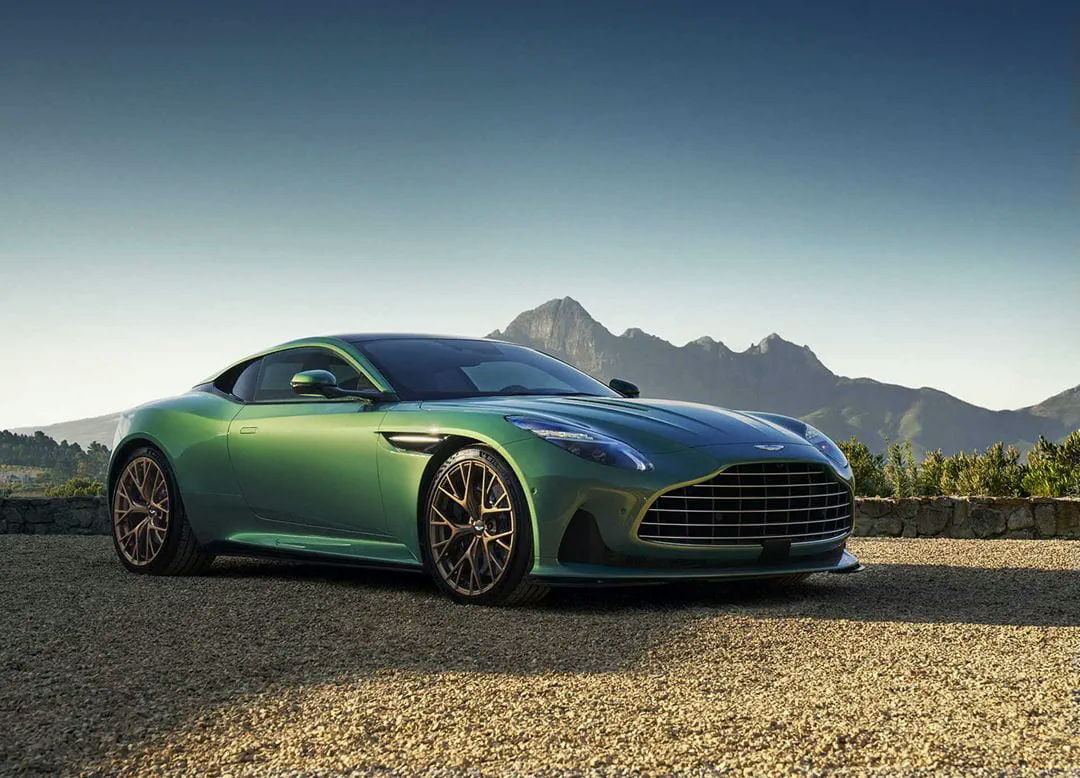
- Group
- Body Style
History
A Ride Through History: The Evolution of the Coupe Body Style
The coupe body style, known for its sleek two-door design, has been a popular choice for car enthusiasts since its inception. Originally derived from the French word "coupé," meaning "cut," early coupes were horse-drawn carriages designed for two passengers. Transitioning to the automotive industry, the coupe evolved into a symbol of style and performance. Its compact, sporty design allows for better aerodynamics and improved handling, making it a favorite among those who appreciate aesthetics and driving dynamics. The coupe's design typically features a fixed-roof and a sloping rear, which not only enhances its visual appeal but also contributes to its aerodynamic efficiency. While not always the most practical choice for families, the coupe body style remains a timeless blend of fashion and function in the automotive world.
Pros
Sporty Aesthetics
Coupe body styles have a sleek, stylish look that makes them stand out on the road. The lower roofline and two-door design give the car an athletic posture that often appeals to those who enjoy a bit of flair. These aesthetics can make a coupe feel more special and unique compared to other body styles. While it may not affect function, the visual appeal is a significant draw for many drivers. It's worth noting, though, that these looks sometimes come at the cost of practicality.
Enhanced Driving Experience
Driving a coupe often feels more engaging due to its lower center of gravity and typically sport-tuned suspension. This setup can make cornering tighter and more responsive, giving the driver a sense of greater control. For those who enjoy spirited driving, a coupe can offer a more thrilling experience. However, this performance orientation might make the ride a bit stiffer on rough roads.
Reduced Weight
Coupes usually weigh less than their sedan counterparts due to fewer doors and a smaller overall structure. The reduced weight can lead to better acceleration, braking, and fuel efficiency, making the vehicle feel more nimble. However, the lighter body also means that the car can feel less substantial and might offer less protection in a crash. This trade-off is something drivers need to consider based on their priorities.
Improved Aerodynamics
The streamlined design of a coupe often leads to better aerodynamics. This can result in lower wind resistance, which may improve fuel efficiency and reduce wind noise at higher speeds. Enhanced aerodynamics also contribute to the overall handling and stability of the car. On the downside, the sloped roofline that aids aerodynamics can limit rear headroom and cargo space.
Easier Parking
The smaller dimensions of a coupe make it easier to maneuver and park in tight spaces. This advantage is especially useful in urban environments where parking can be a challenge. While the compact size aids in parking, it also means there's less interior room for passengers and luggage. So while you might snag that tough parking spot, you may have to pack a bit lighter or travel with fewer passengers.
Cons
Limited Rear Seat Space
Coupe body styles often come with significantly limited rear seat space. This can make it uncomfortable for passengers, especially adults, to sit in the back for extended periods. While this might not be a dealbreaker for some, it can certainly be an inconvenience for those who frequently need to carry more than one passenger. The restricted legroom and headroom are most noticeable compared to the sedan or SUV options.
Small Trunk
The trunk space in coupes usually falls short when compared with other body styles. If you often find yourself needing to carry lots of groceries, luggage, or equipment, this could quickly become a hassle. While some coupes offer rear seats that fold down for extra storage, it still may not be enough for larger items. This limitation makes coupes less versatile for activities like road trips or even a simple weekend getaway.
Limited Visibility
Driver visibility tends to be poorer in coupe models due to their sleek, sporty design. The lower seating position combined with narrow rear windows can create substantial blind spots. This can make maneuvers like lane changes and parking more challenging. While modern technology, such as rearview cameras and sensors, can mitigate some of this, it's still a point worth considering for potential buyers.
More Expensive Insurance
Coupes often come with a higher insurance premium compared to sedans or hatchbacks. This is mainly because they are perceived as sportier and therefore riskier to insure. Even if you maintain a perfect driving record, the cost of insurance for a coupe can add significantly to your overall vehicle expenses. It's something to consider when budgeting for a new car.
Harder for Entry and Exit
Getting in and out of a coupe can be more cumbersome, especially for taller individuals or those with limited mobility. The lower seating position and longer doors require more effort to maneuver. This is not just an inconvenience for the driver but also for any passengers, who might find it particularly difficult, especially in tight parking spaces. This issue can reduce the practicality of a coupe for everyday use.
Examples
When it comes to the application of the Coupe body style in cars, there are several notable examples that come to mind, each showcasing unique characteristics and catering to specific markets.
American Muscle Coupes
Ford Mustang
One of the quintessential American coupes is the Ford Mustang. The Mustang's two-door design has been iconic since its inception in the 1960s. Over the years, it has maintained a balance between performance and style, attracting both young drivers looking for a sporty ride and older folks nostalgic for the muscle car era.
Chevrolet Camaro
Another prominent example is the Chevrolet Camaro. Similar in spirit to the Mustang, the Camaro emphasizes performance with its powerful engine options and aggressive styling. The coupe design here isn't just about looks; it also aids in the structural integrity of the vehicle, enhancing its handling and stability, especially when cornering at high speeds.
Luxury Coupes
BMW 4 Series Coupe
Moving towards the luxury segment, the BMW 4 Series Coupe stands out. BMW has engineered this coupe to be both elegant and sporty, with a focus on driving dynamics. The lower roofline and extended bonnet create a sleek profile, which is not merely for aesthetics – it's a deliberate design choice that improves aerodynamic efficiency and contributes to a more engaging driving experience.
Mercedes-Benz C-Class Coupe
The Mercedes-Benz C-Class Coupe adds to this list by combining luxury with a sporty edge. Mercedes-Benz has a reputation for crafting refined and comfortable vehicles, and the C-Class Coupe is no exception. Its interior is plush and well-appointed, but the coupe design still emphasizes a dynamic and engaging driving experience.
High-Performance Coupes
Audi TT
In the realm of high performance, the Audi TT is worth mentioning. This small, two-door coupe is prized for its responsive handling and compact size, making it an agile performer on both urban streets and winding roads. Its design incorporates a balance of futuristic and classic elements, appealing to a wide range of drivers who prioritize both style and substance.
Porsche 911
On the more exotic end, the Porsche 911 is a cornerstone in the world of sports cars. Its coupe form is not just about aesthetics; it's a functional requirement for the car's performance. The design contributes to its near-perfect weight distribution and the characteristic driving experience that Porsche enthusiasts rave about.
Affordable Sporty Coupes
Nissan 370Z
Lastly, the Nissan 370Z represents the more affordable spectrum of sporty coupes. It's for drivers who want performance without breaking the bank. Its design is straightforward, focusing on providing a visceral driving experience. The coupe shape also aids in reducing weight, which further enhances its agility and acceleration.
In summary, the Coupe body style has been applied to a broad range of vehicles, from muscle cars like the Ford Mustang and Chevrolet Camaro to luxury models like the BMW 4 Series and Mercedes-Benz C-Class, and high-performance machines like the Audi TT and Porsche 911. Each of these applications highlights a different aspect of what makes the coupe design appealing, be it style, performance, or a blend of both.