91 RON Gas Fuel: Optimal Choice for High-Performance Cars?
When it comes to fueling up your ride, choosing the right grade of gasoline can make a world of difference. Enter 91 RON Gas Fuel – a blend often recommended for higher-performance engines. This arti…
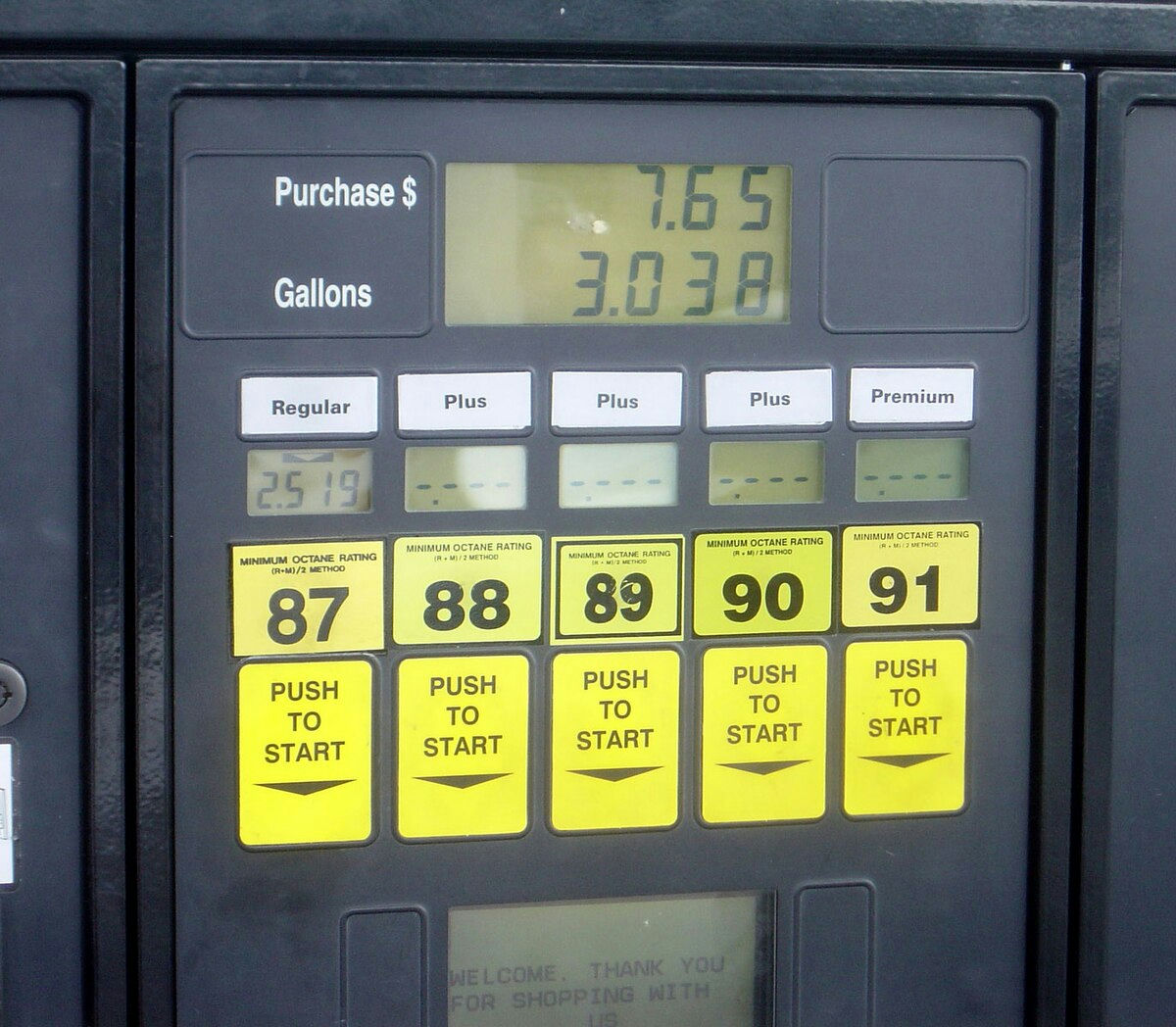
Group: Fuel
When it comes to fueling up your ride, choosing the right grade of gasoline can make a world of difference. Enter 91 RON Gas Fuel – a blend often recommended for higher-performance engines. This article will dive into its intriguing history, weigh its pros and cons, and provide examples of vehicles that run best on it. Buckle up as we explore the ins and outs of 91 RON and help you determine if it's the right octane for your car.
Join the AutoFame community. Become a member for free, add your car to the garage and tell its story. Join AutoFame.
History
The Evolution and Purpose of 91 RON Gasoline
The origins of 91 RON gasoline, a mid-grade fuel option, can be traced back to the quest for more efficient and cleaner combustion engines. Research Octane Number (RON) is a measure of a fuel's ability to resist 'knocking' or 'pinging' during combustion, caused by the air/fuel mixture detonating prematurely in the engine. Developed in the mid-20th century as engines became more powerful and required more consistent combustion, 91 RON gasoline has found its place as a balanced choice, providing better performance and fuel efficiency than regular 87 RON while being less costly than premium 93 RON. Its usage is favored in many high-compression engines and turbocharged setups due to its ability to provide a reliable and stable burn, ultimately helping to keep engines running smoothly and efficiently.
Pros
Better Engine Performance
Using 91 RON Gas Fuel can often result in better engine performance. This is because high-octane fuels help prevent engine knocking, which in turn allows the engine to run more efficiently. For drivers, this means smoother acceleration and a more stable driving experience. However, improvements in performance can vary depending on the type of vehicle and its specific requirements.
Potential Fuel Efficiency
One potential advantage of using 91 RON Gas Fuel is increased fuel efficiency. High-octane fuels tend to combust more slowly and completely, which can lead to better mileage. This means you might make fewer trips to the pump, saving you a bit of time and money in the long run. The extent of this benefit can be influenced by your driving habits and vehicle type.
Cleaner Combustion
91 RON Gas Fuel burns cleaner compared to lower-octane fuels. Cleaner combustion means fewer carbon deposits in the engine, which can prolong the engine's life. In addition, reduced deposits can lead to fewer maintenance issues over time. It's not a magic bullet, but it can make a difference in overall engine cleanliness.
Enhanced Vehicle Longevity
Using higher-octane fuel like 91 RON can contribute to the longevity of your vehicle. This is because the fuel deters knocking and pre-ignition, both of which can cause significant engine damage over time. By reducing these risks, your engine's internal components may last longer. It's an investment in long-term vehicle health.
Smoother Running Engine
91 RON Gas Fuel can make your engine run smoother. This is due to the fuel's ability to better resist knocking, allowing for better timing and smoother combustion cycles. As a driver, you'll likely notice reduced vibrations and a quieter engine. This can make for a more pleasant driving experience overall.
Better for High-Performance Cars
High-performance cars often require higher-octane fuels, like 91 RON, to operate correctly. These cars are designed with advanced engines that need fuel capable of withstanding higher compression ratios. Using the recommended high-octane fuel can help these vehicles achieve their optimal performance levels. However, this fuel is unnecessary for cars designed to run on regular unleaded gas.
Cons
Decreased Performance in High-Compression Engines
91 RON gasoline might not be sufficient for high-compression engines, which are designed to run on higher octane fuels. These engines may experience knocking or pinging, leading to reduced performance and potential long-term damage. The lower octane rating could mean your vehicle won't run as smoothly or efficiently as it could.
Lower Fuel Efficiency
Vehicles tuned or designed for higher octane fuels (like premium) may see a drop in fuel efficiency when running on 91 RON. This means your car might consume more fuel to cover the same distance, ultimately costing you more. Regularly using this fuel could also cause the engine management system to adjust settings, further reducing efficiency.
Increased Engine Wear
Regular use of 91 RON gas in engines that require high octane fuel can lead to increased engine wear because of knocking. This might result in more frequent maintenance needs and a shorter engine lifespan. The continuous low-grade explosion of fuel in the cylinders can cause significant internal damage over time.
Potential for Carbon Build-up
Because 91 RON gas doesn't burn as cleanly as higher octane fuels, there's a greater chance of carbon deposits forming inside the engine. These deposits can reduce engine efficiency, lead to rough idling, and necessitate more frequent maintenance. Over time, this could diminish overall engine performance and reliability.
Limited Availability in Some Regions
In some areas, 91 RON might be less available than other fuel grades, which could be inconvenient if you need to stick to one type of fuel. It can sometimes be harder to find, especially in rural areas where fuel options are limited. This could make planning long trips slightly more challenging for drivers used to more readily available fuel types.
Each of these points outlines how using 91 RON gasoline may not be ideal for all vehicles, especially those with high-performance or high-compression engines. It's crucial to understand your car's fuel requirements and use the appropriate octane to ensure optimal performance, fuel efficiency, and engine longevity. While 91 RON might be more affordable, the potential downsides might offset the initial savings.
Have a car with a story like this? Become an AutoFame member and share it with people who love cars as much as you do.
Examples
Let's dive into the practical side of using 91 RON gas fuel in everyday cars. This type of fuel is commonly used in a wide range of vehicles that we encounter on the road, including both economy cars and slightly more performance-oriented models.
Honda Civic
Firstly, consider the Honda Civic, especially the models from the mid-2010s onwards. The Civic's engine is designed to run reliably on 91 RON, making it a good example of a mass-market car that commonly uses this type of fuel. These engines balance performance and efficiency, giving drivers a smooth ride without necessitating higher octane fuel, which can be more expensive.
Toyota Camry
Next, we have the Toyota Camry. This sedan is a staple on American roads, known for its durability and reliability. The Camry’s standard engine options are well-suited to 91 RON fuel. This helps keep operating costs manageable while still ensuring the engine runs efficiently under various driving conditions.
Ford Focus
Another classic is the Ford Focus. Whether it’s the standard model or the slightly sportier trims, many Focus engines are calibrated to run optimally on 91 RON gas. This allows the car to perform well in terms of power delivery and fuel efficiency without needing premium fuels.
Volkswagen Jetta
Stepping up slightly, cars like the Volkswagen Jetta also often use 91 RON. The Jetta’s turbocharged engine variants benefit from this fuel, which provides a good balance between cost and performance. It’s an ideal choice for those who want a bit more pep in their daily driver without the added expense of premium gas.
SUVs and 91 RON Fuel
SUVs also frequently run on 91 RON. Take the Subaru Forester, for instance. Known for its rugged build and reliable engine, the Forester performs well with this mid-grade fuel. It supports the vehicle's capability to handle various terrains without stressing the engine too much.
Luxury Segment
On the more luxurious end, but still within the realm of regular vehicles, the BMW 3 Series can use 91 RON fuel effectively in its less performance-oriented models. While the more potent engines might recommend higher-octane fuels, the 3 Series' base engines are quite happy with 91 RON, striking a balance between performance and fuel economy.
Summary
In summary, 91 RON gas fuel is quite versatile and widespread in its application, suitable for a broad array of vehicles from:
Daily drivers like the Honda Civic and Toyota Camry
More performance-inclined cars like the Volkswagen Jetta
SUVs like the Subaru Forester
Entry-level luxury models like the BMW 3 Series
It hits the sweet spot for many motorists, offering decent performance without the added cost of higher-octane fuels.
About AutoFame
AutoFame is a home for people who love cars and the stories behind them. Every car on a show field or in a garage has a history: who built it, who saved it, the road trips, the late nights in the shop and the people who helped along the way. AutoFame gives those stories a place to live, so they are not lost when the hood closes or the car changes hands.
Membership is free. Once you join, you can add your car to your own AutoFame garage with photos, specs and the story only you can tell. Restorations, survivors, daily drivers, race cars and family heirlooms all belong here. Other members can find your car, follow its progress and connect with you over the details that matter to car people.
Beyond member garages, AutoFame publishes stories, guides and features on the cars, builders and history that shape car culture. You will find buying and restoration guides, car parts explainers, special editions, the newest models and the classics that started it all. The AutoFame Gallery puts member cars on display for anyone to browse, and the AutoFame YouTube channel adds owner interviews, show highlights and the conversations that happen around a good car.
AutoFame is also built for the people who run car shows. Organizers use it to manage entries and judging, and judges score each car category by category on their phones, with a written guide for every category so nothing gets skipped. After a judged show, owners can see what their car was scored on and how it compared. Shows across the Texas Gulf Coast have run on AutoFame, including the Moody Gardens Car Show in Galveston, Good Grub and Gears, and Keels and Wheels at Lakewood Yacht Club.
AutoFame was founded by Kevin Brady, whose own life in cars began long before he started building tools for the hobby. The idea is simple: the people who love these cars should have one place to share them, learn from each other and keep the stories going.
Whether you own a show winner, a project that is still in pieces or simply love reading about great cars, there is room for you here.
Be part of the AutoFame community. Join free and become a member today.